
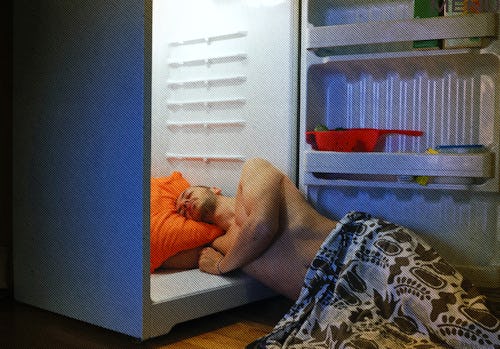
My partner doesn’t use air conditioning. I deeply respect this choice, but sometimes I just can’t sleep in his bed. That’s not me being in a mood — the ideal sleep temperature for humans is about 65 degrees and it’s well established that heat is a major cause of insomnia. The problem with all this is that trying to sleep when it’s too hot is becoming less and less of a choice — temperatures are rising globally, and now we are literally losing sleep over climate change.
A new study, which was published last week in the journal One Earth, used data from sleep-tracking wristbands used by 47,000 individuals in 68 different countries from 2015 to 2017 to find correlations between outdoor temperatures and human sleep patterns. What researchers found was that the average person is already losing about 44 hours of sleep a year. For context, that means that most people in the study lost more than an hour of sleep a night for a whole month of the year.