
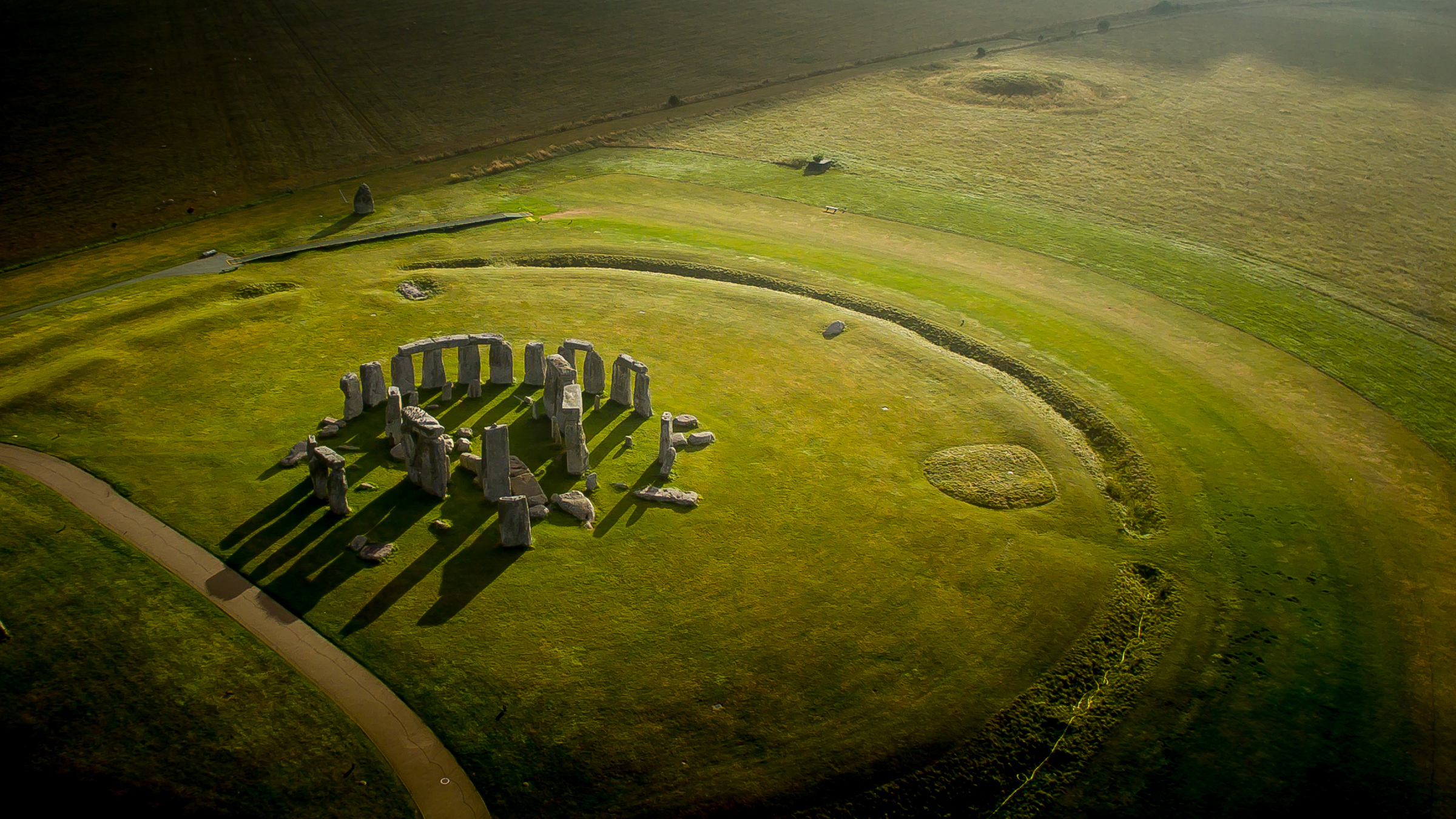
Stonehenge wasn't a prehistoric solar calendar but served mainly as a memorial to the dead, according to new research by scientists who study ancient astronomy.
The first stones at Stonehenge were emplaced in southern England about 5,000 years ago, and the monument was constructed in stages over roughly 1,000 years. But researchers have debated its purpose for centuries. The new study, published March 23 in the journal Antiquity, disputes claims made last year that it functioned as a solar calendar with 356.25 days — almost exactly the measurement used for the solar calendar today, according to that study's author, Timothy Darvill, a professor of archaeology and Stonehenge expert at Bournemouth University in the U.K.













