- Volkswagen’s EVs are officially killing it.
- Germans now want more VW EVs than combustion cars, marking a big shift in Europe’s largest car market.
- While a good problem to have, it also disrupts the way Volkswagen operates its many factories.
Electric cars might have lost a bit of steam in the United States, but it’s a completely different story in Europe. Volkswagen, one of the biggest car manufacturers in the world, is now selling more EVs in Germany than combustion vehicles, marking a huge shift in the European car market.
To put things into perspective, Germany is Europe’s largest car market, and Volkswagen has traditionally been one of the best-selling brands in the region, so to have such a big change much earlier than expected indicates that the rest of Europe will probably follow suit soon.
It also creates a new problem for Volkswagen, which is currently in the middle of a historic cost-cutting program.
According to Automobilwoche, the German automaker is now getting more orders for its new EVs than gas and diesel models, prompting it to rethink the production schedules at several of its factories. The biggest loser in this transition is the historic Wolfsburg plant, which currently makes the Golf, Tiguan, and Tayron.
Because of the reduced demand in ICE models, Volkswagen will cut the planned additional shifts that were supposed to boost this year’s production from 580,000 vehicles to over 600,000 cars.
Meanwhile, at least two special shifts are planned for the Emden plant that assembles the ID.7 mid-size electric sedan and wagon. The Zwickau factory, which churns out the updated ID.3 Neo hatchback, is also increasing production.
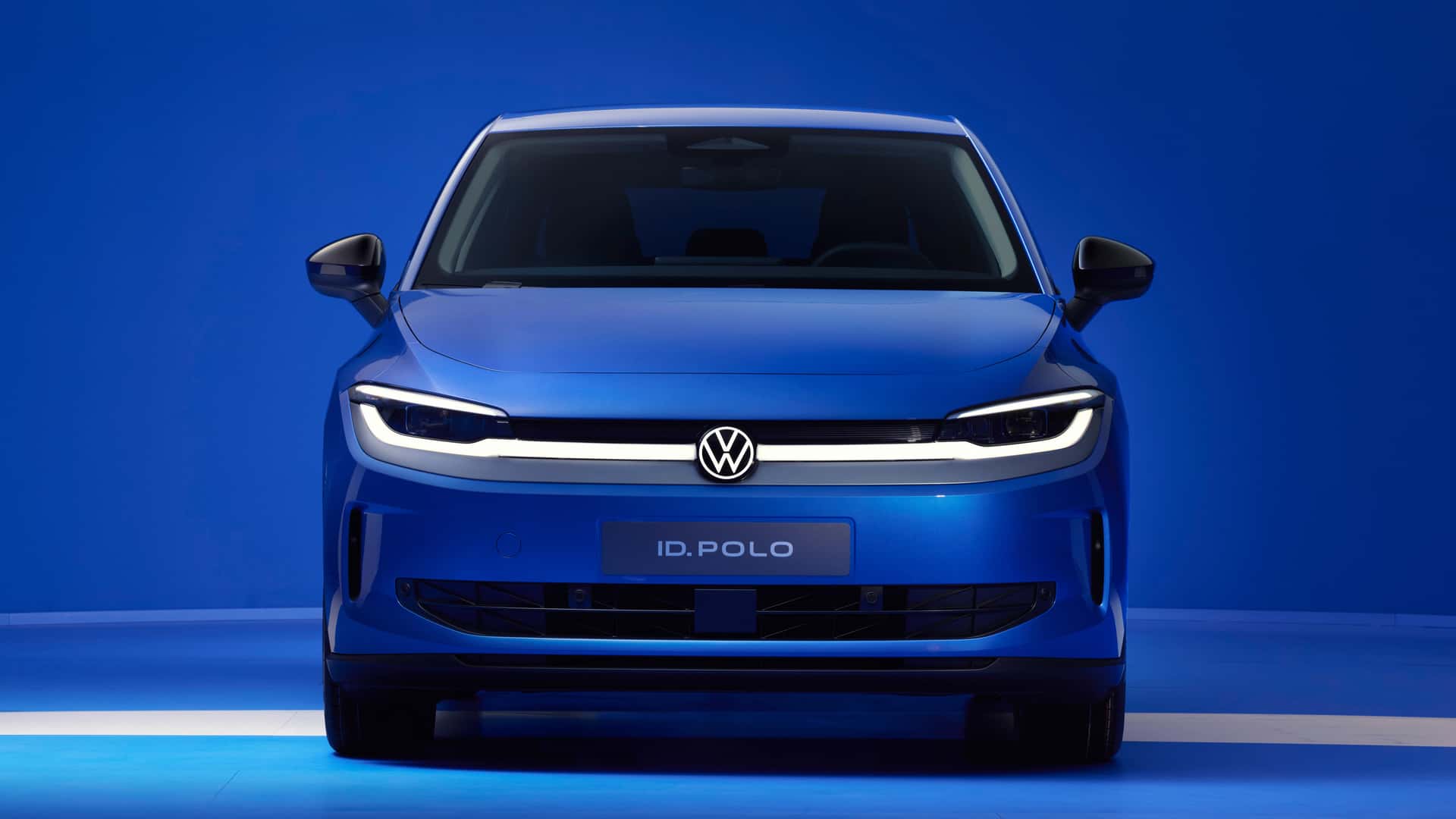
Gallery: Volkswagen ID. Polo (2026)
The biggest star of the show, however, is the new ID. Polo small hatchback, which has racked up over 40,000 orders so far, with the technically similar Cupra Raval, Skoda Epiq, and Volkswagen ID. Cross adding another 60,000 orders to the tally. That being said, all of these increasingly successful budget EVs are built in two Spanish factories instead of Germany.
All of this took VW by surprise. The company had expected a slower ramp-up for its updated electric car lineup, but that changed when gas and diesel prices started going up. The fact that the four EVs that make up the so-called Urban Electric Car Family offer decent range, charging speeds, and equipment for relatively affordable prices also helps.
But even with the increased order input, Volkswagen is still not out of the woods. The German brand will have to convince a lot more people to buy its EVs to make enough money, as profits from electric cars are lower than those of comparable combustion cars.
The upcoming city EV, which is likely to be called ID. up!, may help the automaker’s case, as the European car market is currently craving more budget-friendly electric runabouts, and the smallest VW EV will probably fit the bill just right.