Get all your news in one place.
100's of premium titles.
One app.
Start reading
InsideEVs
InsideEVs
Technology
Mack Hogan

Volkswagen Delays Ontario Battery Plant

  • Volkswagen is building an EV battery plant in Ontario, Canada.
  • The subsidiary building the plant announced this week that the start of production will be delayed by two years, to 2029.
  • The automaker also announced this week that the ID. Buzz would not return to the U.S. as a 2027 model, as previously planned.

Volkswagen's EV plans took another hit this week, as its subsidiary PowerCo Canada announced that its forthcoming Ontario battery plant will be delayed by two years. The company now expects production to commence in 2029.

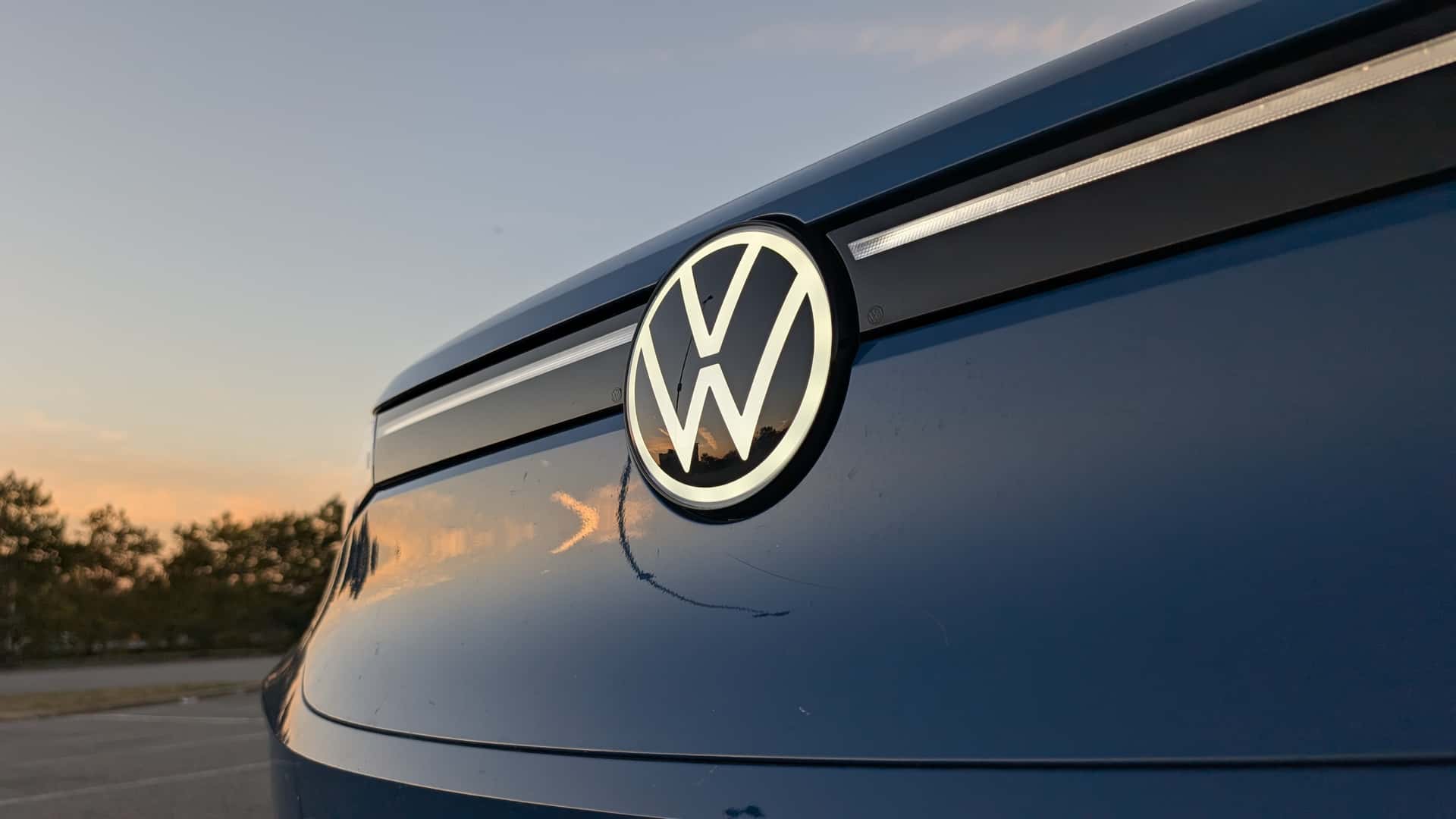
This follows news that the Volkswagen ID. Buzz would not return to the lineup as a 2027 model, as the automaker previously planned. It will skip another model year, with an upgraded version returning as a 2028 model in the first half of next year, VW says.

Both the ID. Buzz and the Canadian battery plant have been battered by U.S. President Donald Trump's trade war, which has complicated the financials for either project. The ID. Buzz was already expensive and didn't offer much range for the price; a 25% tariff certainly doesn't help. Meanwhile battery plants are being scaled back or rethought throughout the world as automakers adjust to slower-than-expected demand and a new trade environment.

Volkswagen has been hit hard by all of these changes. It faces a contracting business in China, more competition at home, and steep tariffs in the U.S. It's also struggling with the transition to EVs and with higher energy prices in Europe, where it is shuttering factories and laying off workers. Last year it closed a plant in Germany for the first time in its 88-year history.

It's fair to say things have not gone to plan.

The company is looking to navigate its way through this by localizing supply chains, improving its electric products, and leveraging partnerships to learn more about building low-cost software-defined vehicles. The company has a joint venture with Rivian for software and software-defined vehicle architectures, and is working closely with Chinese brand Xpeng on next-generation vehicles for that market.

The Ontario delay marks another bump in the road to localizing and electrifying its operations. The company has been particularly exposed in North America. Its two factories in Mexico now face U.S. tariffs, and its Chattanooga, Tennessee, plant now only builds the VW Atlas and Atlas Cross Sport. The ID.4 EV was built there, but was discontinued so the plant could build more gas SUVs.

The plan is still to localize EV production here at some point, with software-defined models using tech from the Rivian joint venture. But it's going to take longer than expected.

Contact the author: [email protected]

Sign up to read this article
Read news from 100's of titles, curated specifically for you.
Already a member? Sign in here
Related Stories
Top stories on inkl right now
One subscription that gives you access to news from hundreds of sites
Already a member? Sign in here
Our Picks
Fourteen days free
Download the app
One app. One membership.
100+ trusted global sources.