
Get all your news in one place.
100’s of premium titles.
One app.
Start reading
Space
Space
Science
Anthony Wood

Venus reaches superior solar conjunction today: What does it mean and can you see it?

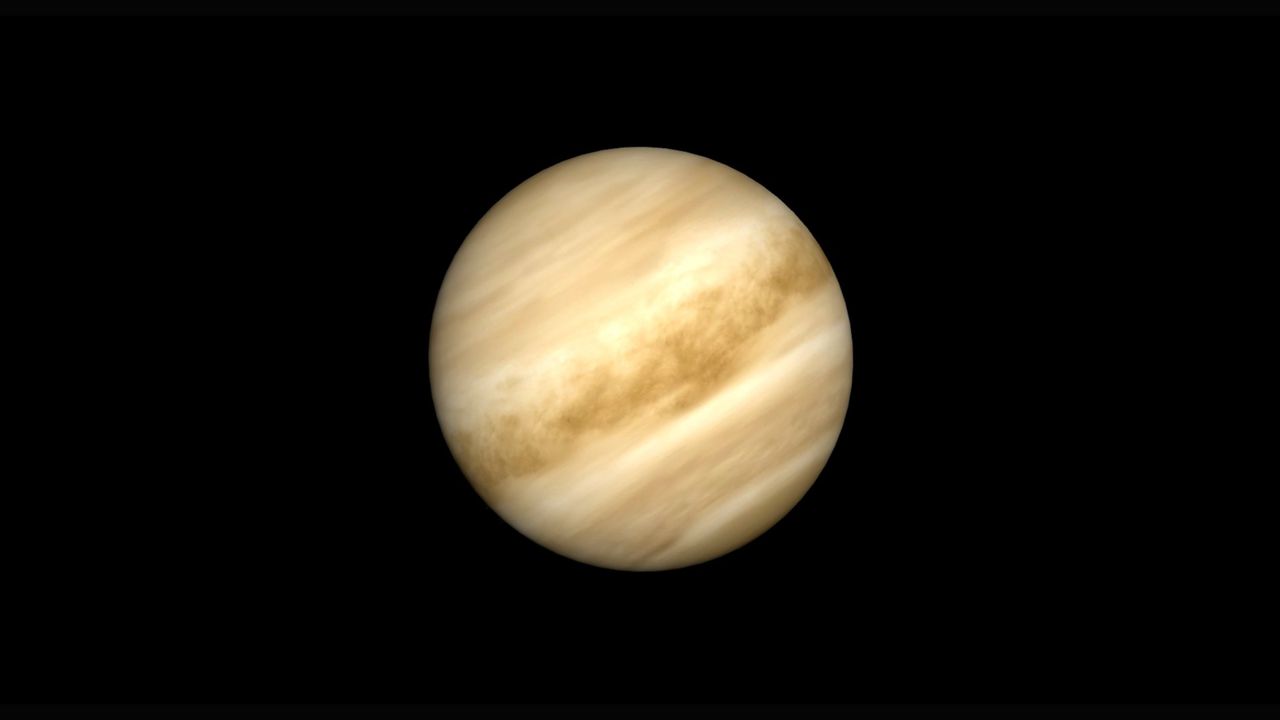
A close up of the planet Venus in the darkness of space, its yellow surface prominent.
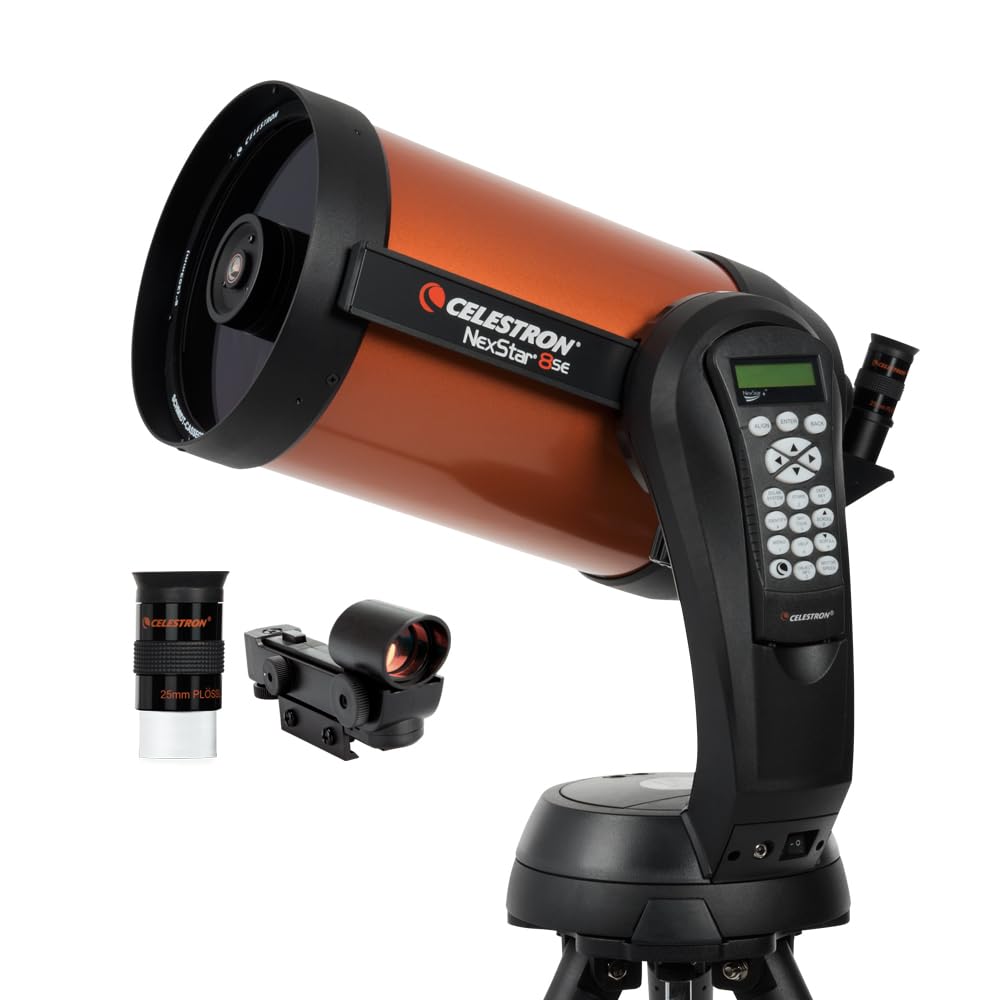
Celestron NexStar 8SE
(Image credit: Celestron)

We reckon the Celestron NexStar 8SE is the best motorized telescope out there as it's great for astrophotography, deep-space observing and it offers stunning detailed imagery. It is a little pricey but for what you get, it's good value. For a more detailed look, you can check out our Celestron NexStar 8SE review.

Venus will align with the sun and Earth to undergo a superior solar conjunction later today (Jan. 6), but what does that mean and, more pressingly, will you be able to see it happen? Read on to find out more.

The planets of the solar system orbit the sun in a complex and ever-shifting ballet, which can see them appear as glorious star-like objects to the naked eye for months on end or render them entirely lost from view as they slip into the glare of our parent star.

Venus — which is often referred to as Earth's twin thanks to its comparable size and rocky composition — treads a tighter orbit around our parent star than our own Blue Marble. As a result, it never strays far from the horizon, while taking it in turns to appear in the evening and morning sky — periods which astronomers refer to as "apparitions."

At 12:10 p.m. EST (17:10 GMT) on Jan. 6, Venus' orbit will see it line up behind the sun from the perspective of Earth in an event known as a superior solar conjunction, marking its transition from a morning object to an evening object, according to In-the-sky. This is also the time when Venus reaches apogee, its most distant point from Earth in its orbit.

Sadly, the glare of the sun makes it impossible to see Venus in the weeks surrounding either a superior solar conjunction or an inferior solar conjunction, when the rocky world passes between Earth and the sun. However, Venus is expected to emerge back into view in February per EarthSky and will reach its highest altitude in the morning sky on June 5.

Want to be ready to see the moon-like phases of Venus when it rises higher in the evening sky over the coming months?? Then be sure to check out our roundups of the best telescopes for viewing solar system planets that are available in 2026.

If you're new to the night sky, you may also want to see our picks of the best smartphone astronomy apps, which use augmented reality technology to help pinpoint the locations of everything from planets and nebulas to distant galaxies and stars.

Sign up to read this article
Read news from 100’s of titles, curated specifically for you.
Already a member? Sign in here
Related Stories
Top stories on inkl right now
One subscription that gives you access to news from hundreds of sites
Already a member? Sign in here
Our Picks
Fourteen days free
Download the app
One app. One membership.
100+ trusted global sources.