
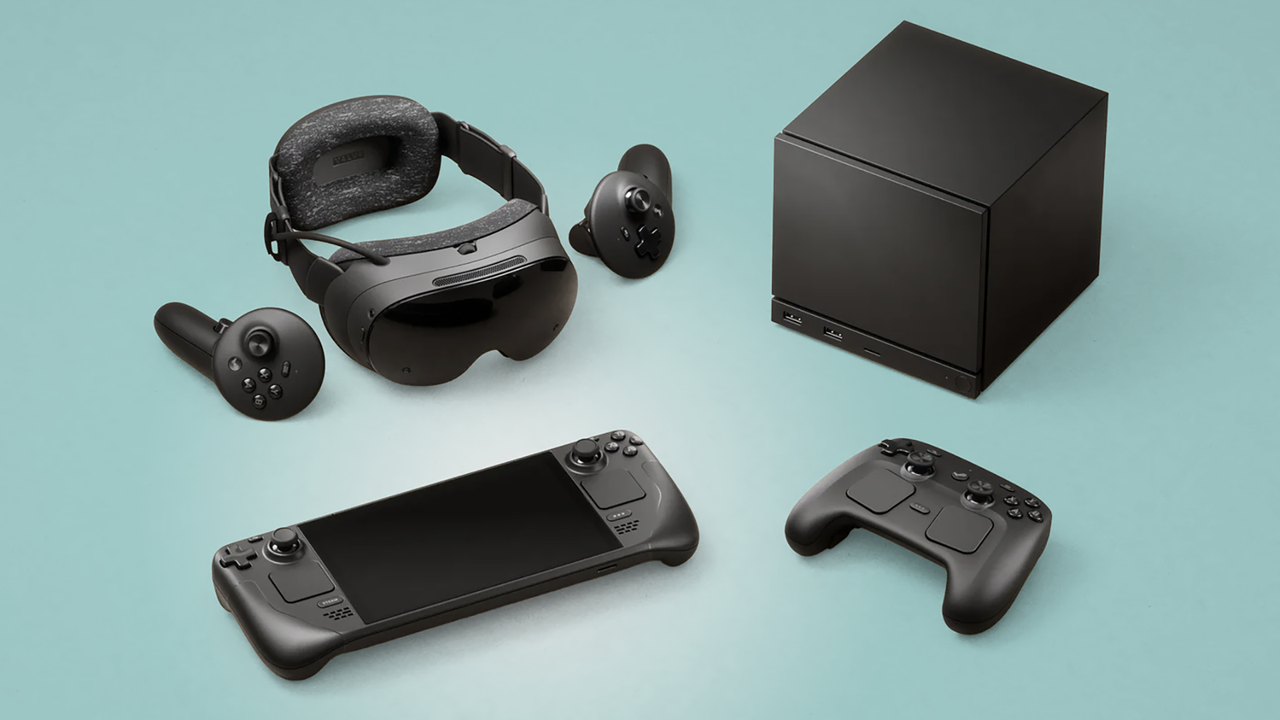
Well, it's now official. Valve has updated its store page for the Steam Deck, with a small but extremely telling sentence now confirming that its Steam Deck OLED "may be out-of-stock intermittently in some regions due to memory and storage shortages".
This was already widely written up last week, before the disclaimer was updated, in light of the Steam Deck falling out of stock in the US, and back before we had confirmation, I wondered aloud whether this was the end of the Steam Deck as we know it.
After all, with the memory shortage getting pretty critical, an obvious secondary outcome from this situation, as well as rolling stock shortages, is price hikes. I still think that's an extremely realistic possibility, and Valve's latest update does nothing to rebuff that thought.
It's worth a reminder, too, that Valve is normally extremely reticent to comment on this sort of thing – it's one of those companies that lets its products and offers do the talking. It should tell you a lot that it's made this tweak so subtly, without a press release or anything, but it's still spread like wildfire.
That's understandable: while people aren't thrilled about the situation for those looking to buy a new Steam Deck any time soon, the bigger fear surrounds Valve's exciting upcoming hardware launches. The Steam Machine and Steam Frame are already clearly under threat, since Valve isn't yet willing to confirm pricing or release windows for either.
Put two and two together here, and it's hard to escape the conclusion that the memory shortages, driven by enormous AI-fuelled demand, are playing havoc with Valve's plans in a way that has clear and direct downsides for regular customers.
This is likely to be a rolling story over the next year, from all the reports coming out of the tech industry more widely. Western Digital just rang alarm bells by confirming that it's already sold its entire 2026 supply of hard drives, with its anticipated 2027 stock also now going fast.
Again, this isn't just SSDs and RAM anymore, it's also old-school HDD tech – the sort of storage that most of us would have turned our noses up at just months ago. That also means there's increasingly no fallback for manufacturers, since even the step-down storage components they might have opted for are also getting snapped up.
All of this is a bit doom-and-gloomy, but there isn't much of a silver lining to be found right now. Perhaps we can hope that all of the consumer annoyance this might spell brings people further round to the idea that much of this AI hype is smoke and mirrors. Whether that happens in time to save Valve's lineup of hardware from some difficult pricing choices, I'm not so sure.