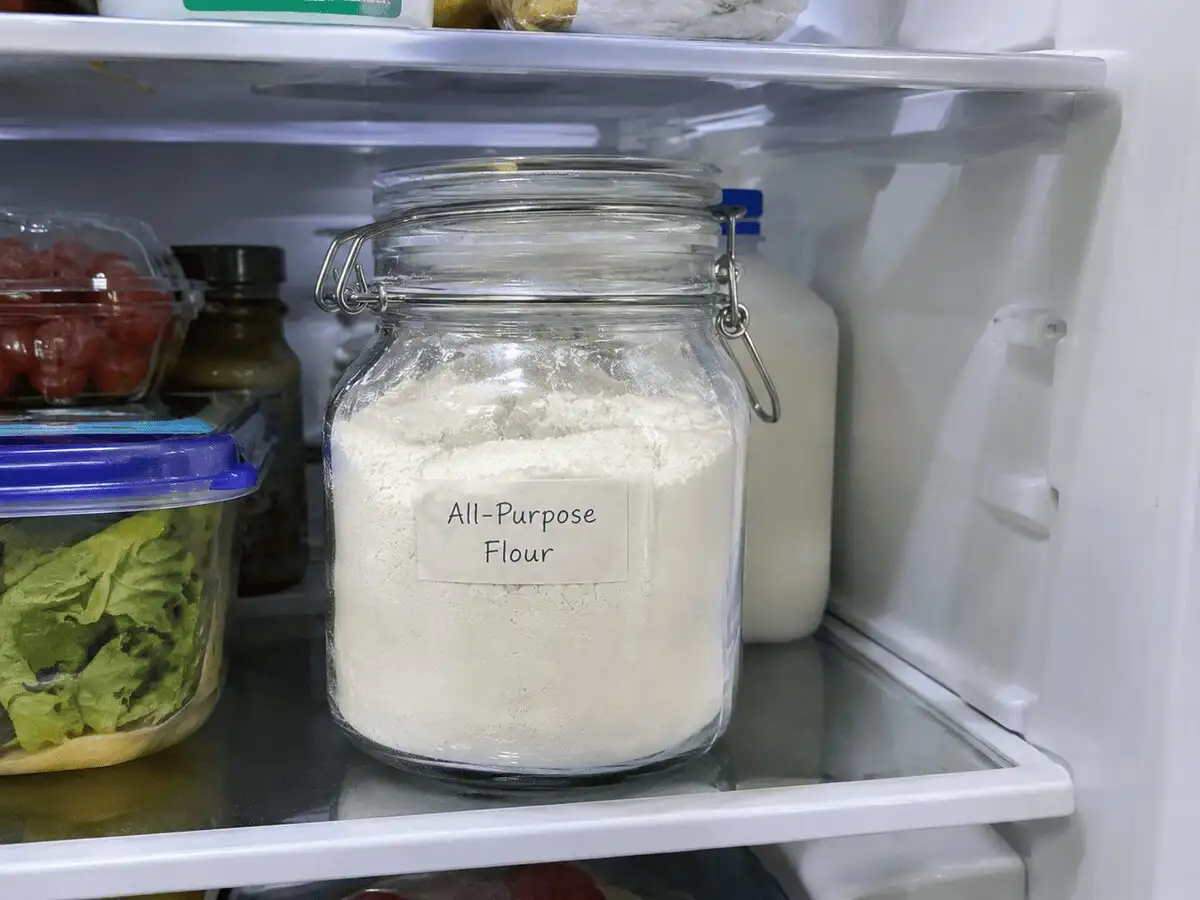
Flour is often refrigerated to preserve it and keep it fresh, especially in the months when temperatures are extremely high and humidity levels are high. Refrigerating flour not only protects it from insect infestations but also makes it last longer by shielding it from moisture and spoilage while extending its shelf life. Nevertheless, experts suggest that using flour straight from the refrigerator and adding it directly to a recipe may affect your baking results.
Flour may seem like a simple ingredient; its temperature can impact the entire baking process. Cold flour lowers the temperature of the batter or dough, thus affecting the performance of baking powder and yeast at the initial stages of preparation, that is, mixing or rising.

How cold flour affects baking
Baking powder and yeast are both leavening agents, meaning they help baked goods rise. Baking powder begins reacting as soon as it is mixed with liquid and continues working when exposed to heat in the oven. Yeast, on the other hand, is a living organism that produces carbon dioxide as it ferments, allowing bread dough to expand before baking.
Both baking powder and yeast are leavening agents that help baked goods rise. Baking powder begins reacting as soon as it is mixed with liquid and even continues to react when exposed to heat in the oven. On the other hand, yeast, as it's a living substance, produces carbon dioxide during fermentation, hence making the bread dough rise or expand before baking.
Penn State Extension recommends that the flour kept in the refrigerator should first be allowed to return to room temperature before using it. This is because cold flour may have an effect on the action of baking powder and yeast. The guidance also explains that refrigeration is one of the best ways to preserve flour, particularly whole wheat flour, but warming it or bringing it back to room temperature before baking helps maintain more consistent results.
When cold flour is mixed with other ingredients, it generally reduces the overall temperature of the dough or batter. For instance, in the case of yeast, its action slows down, causing bread dough to take longer to rise. However, if the recipe includes baking powder as an ingredient, then the cold temperature of the flour influences how efficiently the leavening process begins, visibly affecting the final texture of cakes, muffins, biscuits, and quick breads.
Proper storage always matters
Storing flour in the fridge is not wrong. In fact, it is advised by food specialists under certain circumstances. Whole wheat flour contains natural oils that tend to turn rancid faster compared to the white one; hence, refrigeration helps maintain its freshness and preserves its quality.
Penn State Extension also notes storing flour in airtight packaging and keeping it free of humidity since it influences the efficiency of baking. White flour can stay in the refrigerator for about two years, while freezing can preserve it for even longer. Moreover, some people also store flour in airtight containers. There, it is less likely to absorb excess moisture or odor from other foods.