
Get all your news in one place.
100’s of premium titles.
One app.
Start reading
Homes & Gardens
Homes & Gardens
Ottilie Blackhall

Unlock 3 Japanese Sleep Secrets That Could Transform Your Night’s Rest

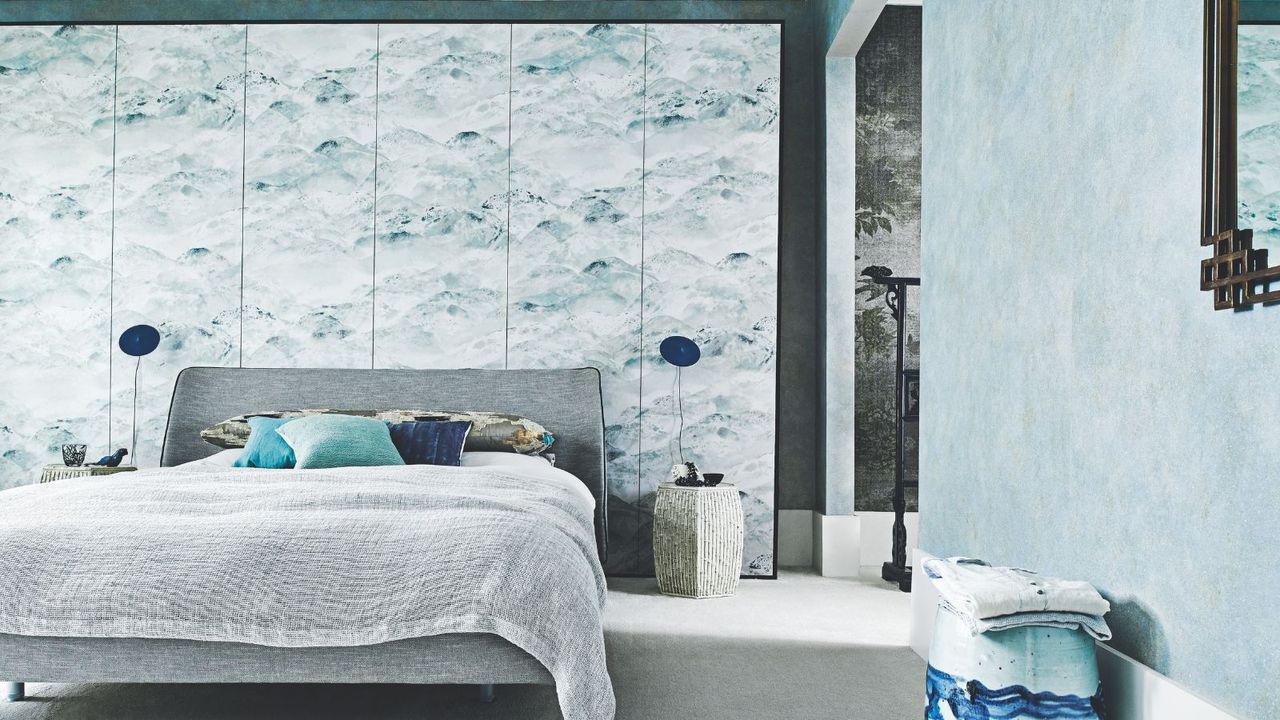
A blue bedroom with a grey double bed, statement wallpaper wall, two matching blue lamps and a blue patterned stool.

Japan is celebrated for a culture that boasts incredible food, culture, and advanced technology, often widely considered to be unlike anywhere else in the world. And, in no other area is this more true than when it comes to Japanese sleep.

Plush mattresses are traded for flat futons, bedroom walls are swapped for fusuma, or 'paper walls,' flooring for tatami mats, and nighttime rituals are a non-negotiable part of daily life.

So, what can we learn from the practices of Japanese sleep, and how can they help us to sleep better? Here, our Japanese sleep and wellness expert reveals all.

3 Secrets of Japanese Sleep to Try Tonight

1. The Bed as Sanctuary

In Japanese culture, the bed is treated as a place of cleanliness, calm, and renewal. (Image credit: Future / ONE REPRESENTS LTD (DAMIAN RUSSELL))

As Maiko Shimazaki, the founder of Revitalist15, a New York-based wellness brand rooted in Japanese relaxation rituals, explains, in Japanese culture, the bed is treated as a place of cleanliness, calm, and renewal.

'Shoes, coats, suitcases, and clutter are never placed on the bed,' she says. 'Bedding is kept simple, with minimal decorative elements. This creates a strong psychological association between the bed and rest, making it easier for the brain to transition into sleep.'

To create the perfect sleep sanctuary in your bedroom ideas, start by resetting your relationship with your bed, advises Maiko, by washing, drying, and caring for your bed linen to create a fresh attitude towards your bed.

Then, remove any excess decorative pillows or throws, and always avoid using the bed for work, packing, or general daily clutter.

'For a deeper reset, new bed linens can help establish the bed as a dedicated sleep sanctuary,' adds Maiko, recommending the Brooklinen Luxury Percale Duvet Cover, available at Amazon.

You might also want to opt for a firmer, low bed or futon mattress for the true Japanese experience, which can be used on the floor or with Japanese bed frame types.

2. Indulge in Nightly Baths with Warm Food and Drink

Japanese-style bedrooms often feature low-profile beds, like this one. (Image credit: Future / ONE REPRESENTS LTD (JAKE CURTIS))

Another effective way to fall asleep fast is by taking nightly baths, says Maiko.

'Taking a bath temporarily raises core body temperature and allows it to fall gradually, which helps signal the body that it is time to sleep, leading to faster sleep onset and deeper rest,' she explains. 'In addition, warming the hands and feet expands blood vessels in the area and encourages heat dissipation, which further helps core body temperature drop and supports a smooth transition into sleep and fewer nighttime awakenings.

'Nightly bathing is a standard practice in Japan, not a luxury. Beyond the physical effect, bathing serves as a mental transition, cleansing the body and mind from the demands of the day and reinforcing a nightly wind-down ritual.'

For this, Maiko recommends using Japanese bath salts, available at Amazon, which also make a gorgeous gift.

'If nightly bathing is difficult, you can maximize the effect of an occasional bath with mineral-rich bath salts inspired by Japanese hot springs to enhance relaxation and muscle recovery,' she adds.

To bolster the effects of your evening bath, it's also a good idea to enjoy warm foods and drinks in the evening.

'Traditional Japanese meals are almost always served with soup and hot tea,' explains Maiko. 'While warm foods may not raise core body temperature significantly, they promote comfort, reduce cold-related stress signals, and are generally easier to digest. Easier digestion means less gastrointestinal activity at night, which can reduce sleep disruptions.'

Of course, incorporating warmth into your diet doesn't have to require a full Japanese meal. Instead, says Maiko, simple options can include having a hot herbal tea in the afternoon or evening, adding a small side of broth or soup to dinner, or drinking room-temperature water instead of iced beverages.

'I specifically love the Onkatsu Farm Relax Chamomile Premium Japanese Tea Bags available at Amazon,' adds Maiko, 'because their company ethos is to provide "warmth" through their products.'

3. Use Targeted Warming Sleep Aids

Warming sleep aids help signal to the body that it's time for sleep. (Image credit: Future / SARAH KAYE REPRESENTATION LTD (POLLY WREFORD))

'Targeted warming products are both convenient and effective, especially when nightly baths are difficult,' says Maiko. 'Applying heat to one area increases localized blood flow, eases muscle tension, and creates a calming sensory signal that helps the body relax more quickly.

'Some of the most popular warming sleep aids in Japan include heating pads, heated eye masks, and warming earplugs.'

As Maiko explains, heating pads, such as the ThermaCare Air-Activated Heatwraps, available in a pack of seven at Amazon, can ease chronic tension or discomfort in localized areas, which can interfere with falling asleep.

Similarly, 'Heated eye masks or self-heating eye masks can help support a smooth transition into sleep by relaxing the eye area, reducing screen-related eye strain, promoting facial muscle relaxation, and encouraging you to put your phone down,' she continues.

'Options include rechargeable, microwaveable, and single-use self-heating masks, each with pros and cons. Rechargeable masks, like this Heated Eye Mask, also available at Amazon, offer temperature control and long-term value but can be bulky and require maintenance, like charging and washing the mask.

'Microwaveable masks are more affordable but require preparation (microwaving before each use) and maintenance, like washing. Single-use masks, also called self-heating masks, are maintenance-free, portable, and have the added benefit of aromatherapy but are more costly.'

Finally, says Maiko, warming earplugs are one of the newer, more interesting heating products, and are designed to trigger relaxation through warming the ears. 'They provide the added benefit of blocking out ambient noise,' adds Maiko.

Shop Our Edit of Japanese Secret Sleep Essentials

All prices were correct at the time of publication.

Meet the Expert

Once you've improved your sleep, the Japanese cleaning principle of Kiyomeru can change the way you tackle your chores.

Sign up to read this article
Read news from 100’s of titles, curated specifically for you.
Already a member? Sign in here
Related Stories
Top stories on inkl right now
One subscription that gives you access to news from hundreds of sites
Already a member? Sign in here
Our Picks
Fourteen days free
Download the app
One app. One membership.
100+ trusted global sources.