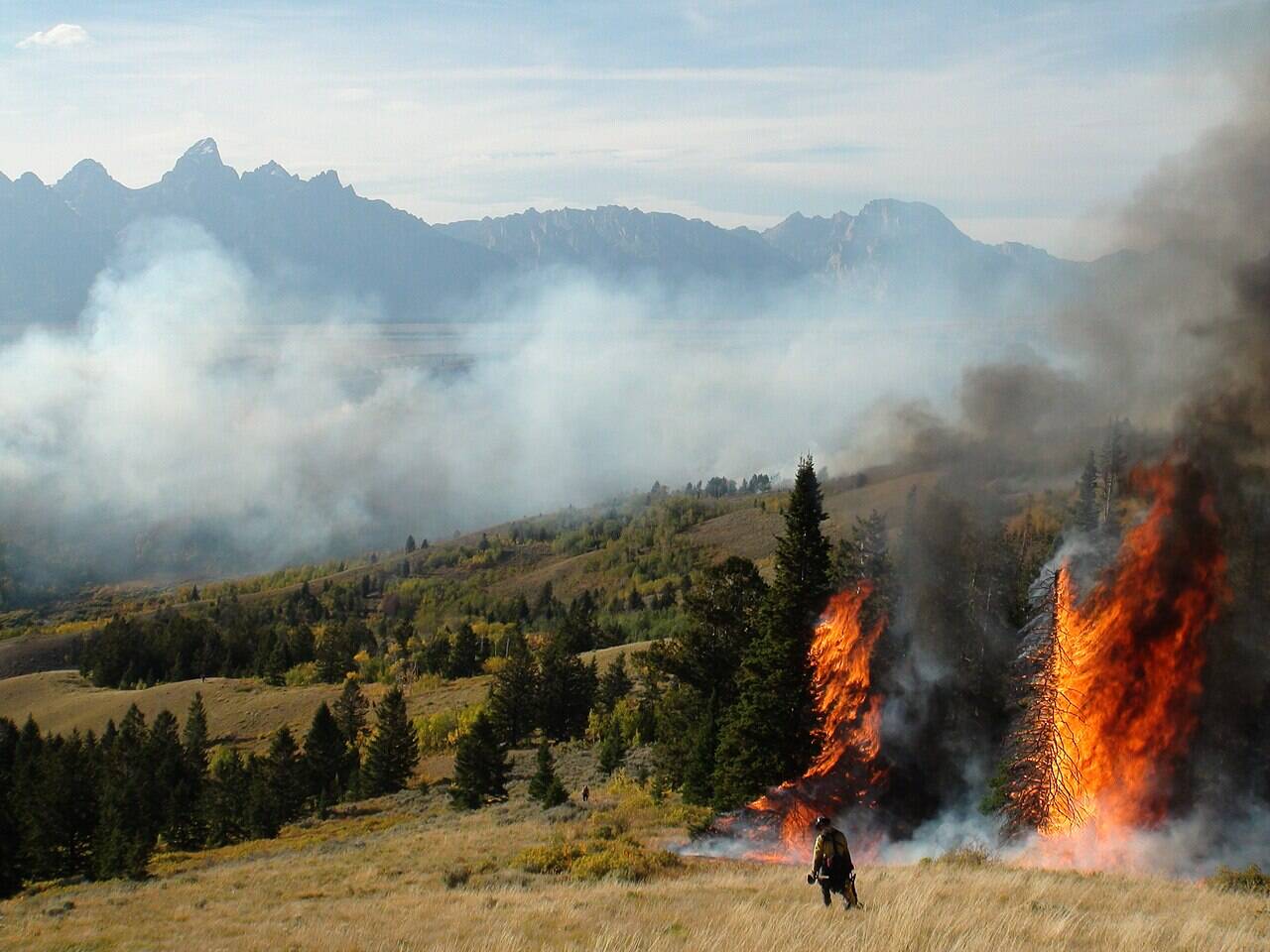
For many years, forest management followed a simple, widely accepted rule. Whenever a fire broke out in the woods, it would be put out at once. It did not matter whether the fire resulted from a random flash of lightning or a negligent visitor, because it should have been suppressed regardless of its origin. This policy of fire suppression became a central element of forest management, seen as strong protection for forests and wildlife.
Get breaking news anytime, anywhere. Download the TOI app now!
Yet this long-held philosophy of control has contributed to ecological problems across many landscapes. By treating fire exclusively as an enemy to be defeated, land managers unwittingly disrupted a delicate natural cycle that had kept ecosystems healthy for thousands of years. The policy designed to preserve the wilderness has also made some forests more vulnerable.
The paper in the journal Frontiers in Ecology and the Environment offers important insights into this systemic problem. According to the study, years of fire-suppression policies have significantly changed forest structure. In particular, Scott Stephens and colleagues argued that suppressing fires has helped create conditions for today's megafires.
The unintentional accumulation of forest fuel
To understand the process, it helps to look at how a healthy forest functions. Before large-scale human intervention, small, low-intensity wildfires regularly occurred and helped clear the understory.
When suppression became the dominant policy, this natural cleaning process was greatly reduced. Without small fires to burn away the debris, the forest floor began to accumulate an unprecedented amount of flammable material. Decades of fallen needles, dead branches, and dense undergrowth built up over time, increasing fire risk.
At the same time, the lack of fire altered the actual architecture of the woods. Millions of small, shade-tolerant trees sprouted in the understory, growing tightly packed together. In the past, regular flames would have thinned out these saplings naturally. Instead, they survived to create what ecologists describe as fuel ladders. These dense thickets of young vegetation can allow a surface fire to climb into the canopy and become a crown fire.
The study says this structural change can make some modern firefighting efforts less effective. If a fire ignites in hot and dry conditions, built-up fuel can generate intense heat that is difficult to extinguish.
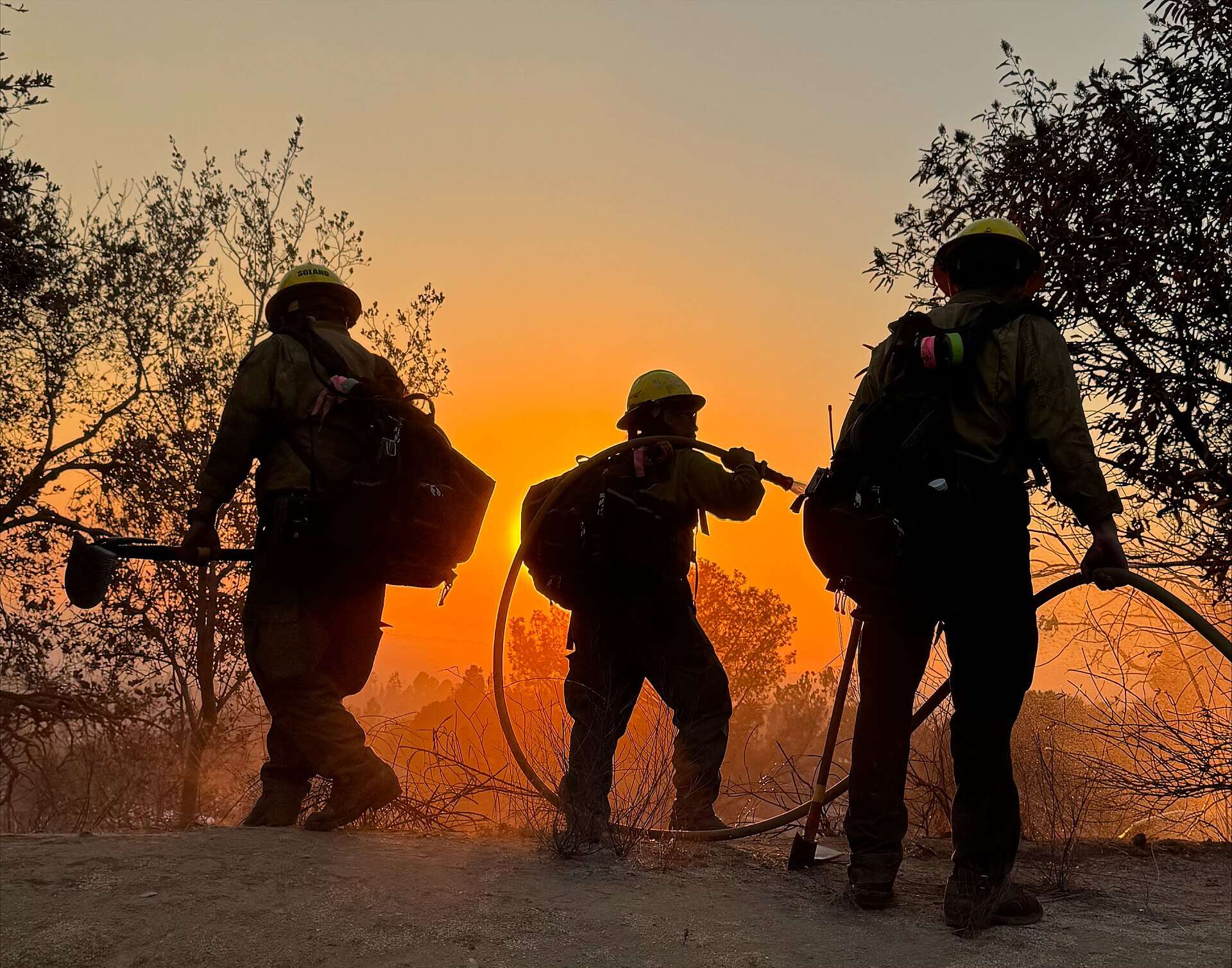
Relearning how fire fits into forest management
This suggests land managers may need to adjust how they approach fire in changing conditions. Researchers warn that the problem will be difficult to solve if heavy suppression continues. Climate change is making many regions hotter and drought more common.
Instead, experts are advocating a shift toward treating fire as a natural part of ecosystem management. This means moving away from the goal of total control and focusing on active fuel reduction. Strategically thinning dense stands of young trees and using controlled, low-intensity burns can mimic natural fire cycles.
The study indicates that ecosystems with intact fire regimes may be more resilient. When a major megafire reaches these managed zones, it may encounter less intense fuel and slow down.
Addressing this environmental problem requires changes in land management and public policy. This means communities near these natural areas will need to adapt to living with fire risk. Reducing suppression and using other fire-management tools may improve safety and ecological balance.