US president Donald Trump has insisted he “couldn’t care less” if Iran signs a “worthless” deal to end the war, as both sides launched fresh strikes in the spiralling conflict.
The conflict has re-escalated in recent days, with Washington and Tehran trading attacks in the biggest exchange of fire in weeks on Tuesday. US forces attacked Iran’s southern coast while Iran targeted American bases across the region.

Tehran has accused Washington of hitting a wedding in Sirik, killing four people and wounding dozens, before vowing to drive the US from all its military installations in the Middle East. The resumption of hostilities has pushed oil up to $97 per barrel - its highest rate since July.
“I’m not trying to force Iran to the bargaining table,” Trump wrote on Truth Social overnight, after dismissing talk of a return to failed negotiations. “I couldn’t care less if they sign a worthless, to them, agreement.”
“I like our position now much better, with almost total control of the Hormuz Strait, and their economy totally collapsing,” the president added. “They are just playing out the inevitable.”
Trump called for the Iranian people to “rise up and fight” as Iran and its Arab neighbours were plunged back into war with another barrage of airstrikes on Tuesday.
The US military claimed strikes along Iran’s southern coast while Iran took aim at American bases in Jordan, Bahrain and Iraq after threatening more devastating attacks.
“Last night was like the end of the world,” Mahmoud, 38, a municipal worker in Sirik County along the strait, told Reuters on Wednesday, describing attacks on the area where Iran said US forces had struck a wedding party.
Iranian media said that as many as 68 people were wounded at the wedding event and released images of children injured in a hospital. The Independent was unable to verify the incident.
Iran responded by striking what it said were American assets in Bahrain, Jordan, Kuwait and Iraq, and said its objective was now to oust US forces from its vast array of bases occupied across the region for decades.
“American evil in the region will be met with heavier, more widespread, and devastating responses, and any country that cooperates with the aggressive American army must accept its dangerous consequences,” Iran's military command said.
US Navy Captain Tim Hawkins, a spokesperson for Central Command, said they were aware of reports of an attack on a wedding, but that the US military “never targets civilians”.
President Trump told Fox News on Tuesday that he had given Iran “a lot of chances” and had little faith in any agreement with the regime as he ordered another wave of strikes.
“I think an agreement with them isn't worth the paper it's written on. We gave them a lot of chances,” he told the outlet.
Tuesday’s wave of strikes followed an American attack on Iran’s Larak Island overnight into Monday.
Washington said it had struck Iranian launchers firing mines into the Strait of Hormuz in the first exchange of direct attacks in a month, before Iran claimed strikes on two US air bases in Jordan.
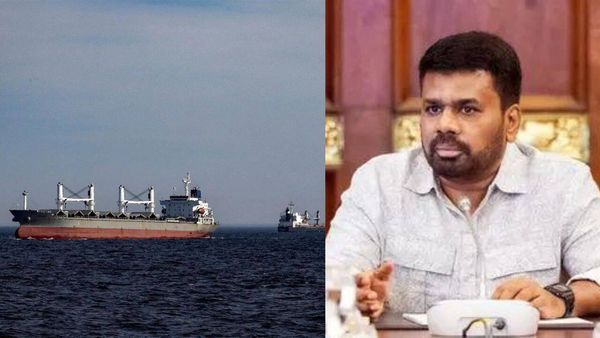
Iran continues to exert its influence over the strait, which carried around a fifth of global oil and LNG traffic before the war. Its grip on commercial shipping has forced up oil prices, hitting Trump’s allies and ensuring US voters pay more for the war.
In an appeal to his base on Wednesday, Trump insisted the waterway is under US control, writing on Truth Social: “Now that we have it under U.S.A. control, should we change the name Hormuz Strait to TRUMP STRAIT??? Like America itself, it would be “hotter” than ever before! Thank you for your attention to this matter.”
With the strikes at risk of escalating again into all-out war, White House insiders told Reuters that the president’s top aides are working desperately to stop the unpopular conflict from growing before the November midterm elections.
“We are keeping the pressure on Iran,” one White House official said. “But November is a priority.”
Only 31% of Americans approve of the war, while some 63% disapprove, according to a late August Reuters/Ipsos poll, and voters are particularly unhappy about high gas prices.
Now in its seventh month, the conflict has brought chaos to the region, inflicted huge cost on the global economy, and contributed to Trump’s approval rating falling to its lowest level since he took office.
According to the Iranian government, at least 3,468 Iranians had been killed by mid-April. The US-based Human Rights Activists News Agency put the figure at 3,636, including 1,701 civilians, in May.
The Pentagon has acknowledged the deaths of 18 US service personnel linked to Operation Epic Fury and in overseas operations since July. More than 750 personnel have been injured.
The Centre for Economics and Business Research (CEBR) estimated earlier this week that UK households will suffer a £2,400 hit from the Iran war, while the conflict has cost the average US household $1,200 (£889) in total, according to the Center for American Progress.
Iran’s president Masoud Pezeshkian insisted that the Islamic Republic was ready to sit down for serious talks aimed at ending the war, though the regime is determined to emerge from the conflict stronger with new control over the Strait of Hormuz, billions in blocked funds released and sanctions lifted.
Trump agreed to many of Tehran’s demands in a June deal, but the ceasefire agreement collapsed within weeks over control of the Strait, and no public talks have been held since.
The president’s press secretary admitted last week that there are no negotiations currently taking place to end the war, despite Washington stepping up efforts to pressure Tehran with new economic sanctions.