The Trump administration will ask the US Supreme Court to revive its policy of deporting migrants to countries other than their own after a federal appeals court blocked the practice.
Get breaking news anytime, anywhere. Download the TOI app now!

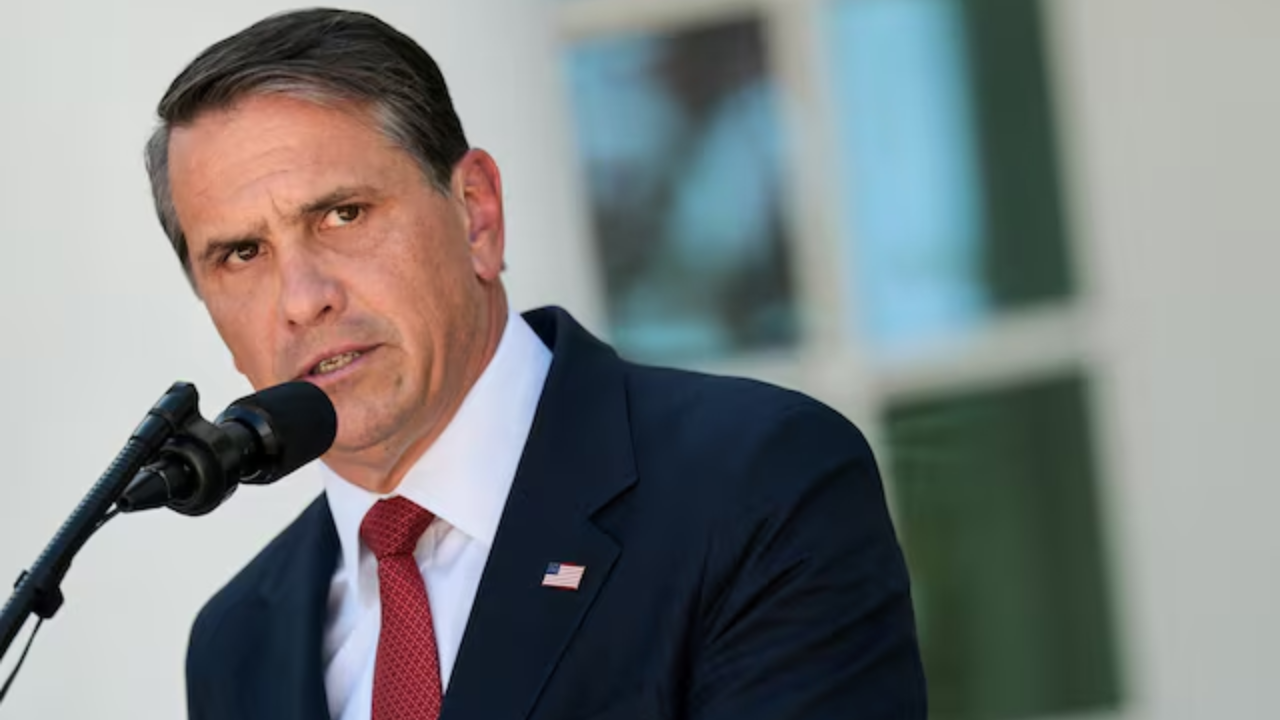
US Attorney General Todd Blanche said on Thursday that the Department of Justice would seek relief from the Supreme Court, arguing that the administration should be allowed to continue third-country removals.
The move follows a ruling by a three-judge panel of the US Court of Appeals for the First Circuit in Boston that upheld a lower court decision finding the Department of Homeland Security's policy unlawful. The case is part of a class-action lawsuit brought by migrants facing deportation.
The legal dispute centres on whether migrants must be allowed to raise safety concerns before being removed to a country with which they have no connection. The appeals court ruling put the administration's third-country deportation policy on hold.
Blanche criticised the appeals court decision in a post on X, saying it had blocked the government from carrying out third-country removals. He said the administration would seek the Supreme Court's intervention, noting that the justices had previously granted a stay in the same case.
The administration has reached agreements with other countries that have enabled more than 25,000 migrants to be deported to at least 29 countries, according to Third Country Deportation Watch, a project by Refugees International and Human Rights First. Mexico has been the destination in many cases, while others have been sent to countries across Latin America, Central Asia, the Caribbean and Africa.
Some deportees have been sent to countries facing serious security or humanitarian problems, including the Central African Republic and South Sudan.
The DHS has defended the policy. James Percival, the agency's general counsel, rejected criticism that the deportations were cruel, arguing that allowing migrants who cannot be returned to their home countries to remain in US communities posed its own risks.