Top military chiefs have justified blocking the public release of information on multibillion-dollar defence acquisitions, arguing that publishing updates on weapons timelines risks exploitation from "foreign adversaries".
The Albanese government scrapped an annual Australian National Audit Office (ANAO) report on defence major projects earlier this year.
The program provided key updates on spending timelines and weapons delivery schedules, with the most recent report finding that more than $80 billion in defence procurements were running on average two years behind schedule.
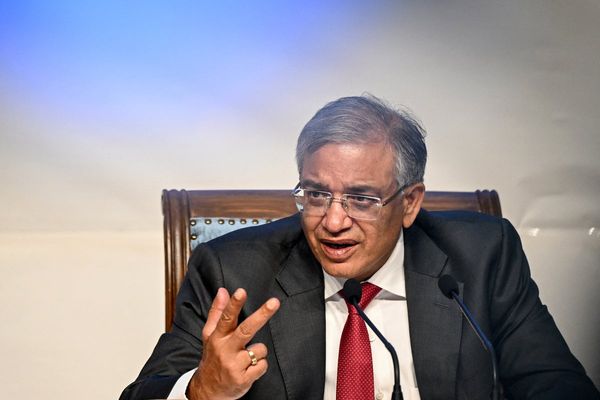
Vice Chief of the Defence Force Air Marshal Robert Chipman argued the disclosure of the information posed a "national security issue", telling Senate estimates the military provided the auditor-general with the details it needed but "put a caveat on that it's not for public disclosure".
"If we are putting information into the public domain, our adversaries read it, they interrogate it, and they exploit it," he told senators.
"This is about making sure that we are not making our adversaries' jobs easier and putting at jeopardy the lives of our sailors, soldiers and aviators."
Chief of the Defence Force Admiral David Johnston said the publishing of sensitive details raised a "heightened set of risks", particularly around work that Defence was doing.
"We are very clear that there are a series of intelligence collectors who are very much looking to better understand the capabilities that the Australian Defence Force has," he said.
Auditor-General Caralee McLiesh warned about the "growing non-disclosure of information" by Defence in a statement released after the audit report was quietly axed by a parliamentary committee in April.
A Senate motion brought forward by Independent Senator David Pocock and Greens Senator David Shoebridge calling to "urgently reinstate" the audit program passed the upper house shortly thereafter.
Speaking during estimates hearings on Tuesday, Senator Pocock accused defence officials of "hiding behind" the issue of national security, pointing to greater disclosures of delivery schedules by officials in the US and the UK.
"How does this actually make us safe? Where I sit and from what I hear from a lot of Canberrans is that this is essentially just a shield from transparency where you say, 'we couldn't possibly tell you if something was late and over budget'," he pressed officials.
"Senator, there is no shield from transparency. Everything is provided to the ANAO," Air Marshal Chipman responded.
"It's just that some of the information we provide to them is not made available for public disclosure."