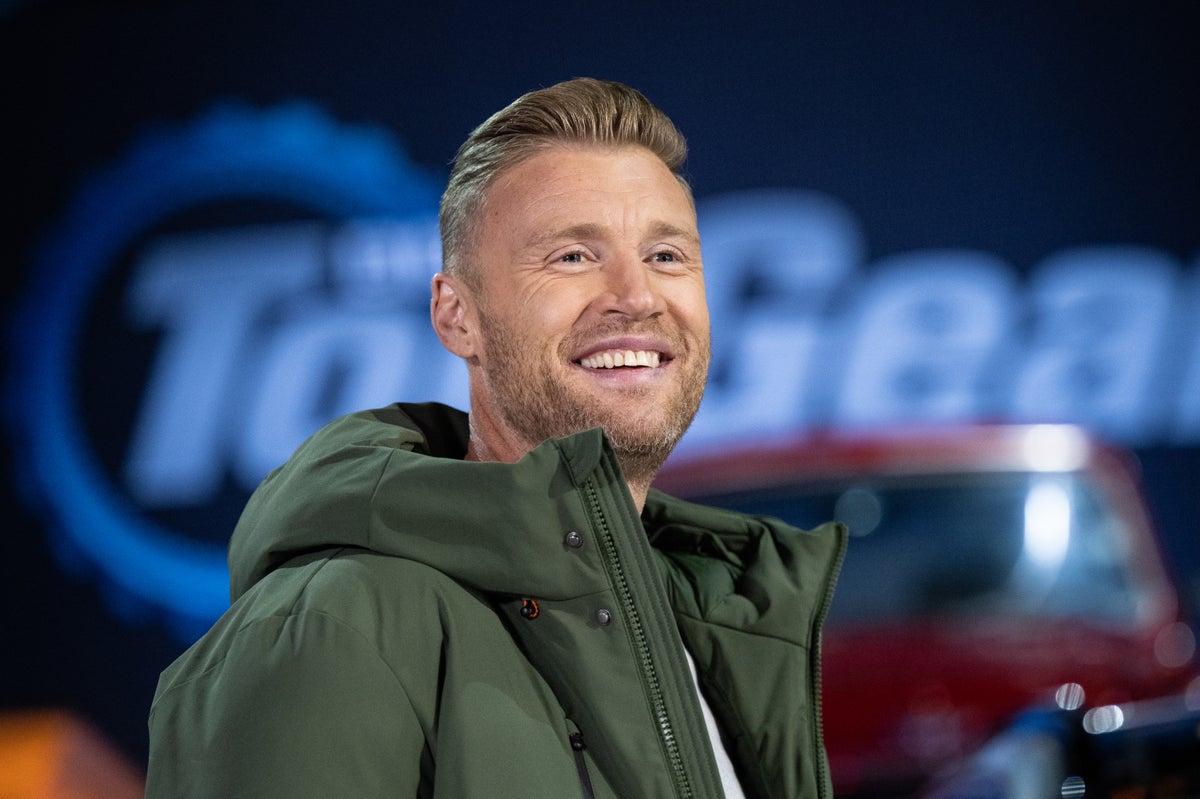
Now is not the right time for the BBC to cancel Top Gear. I don’t know exactly when that was. In 2019, when a presenting reshuffle saw Friends star Matt LeBlanc leave the show? Maybe. In 2015, when Jeremy Clarkson assaulted a producer, resulting in the departure of the Clarkson-James May-Richard Hammond hosting triumvirate that had fronted the show since its 2002 revival? Probably. But no – it should have been earlier still. When Clarkson, in 2014, was filmed muttering “n*****” while reciting a racist nursery rhyme in a Top Gear outtake? Or earlier that same year, when he used the term “slope” on camera in an oblique reference to an Asian person? Or one of the other countless offensive moments from the show’s chequered past? There’s no “three strikes and you’re out” here. Top Gear has had more strikes than a pro bowler.
And yet, none of these are the reason that Top Gear’s survival has now been thrown into doubt. Instead, the show has been rocked by concerns over health and safety, following the near-fatal car accident involving presenter Freddie Flintoff last October. The ex-cricketer, who joined the show in 2019, was pictured this week for the first time in public following the accident – his injuries, nine months on, still brutally visible. Flintoff’s accident wasn’t the first to have occurred in the making of Top Gear. It’s not even the first to involve Flintoff, who is said to have narrowly escaped serious harm in a vehicular accident in 2019. Hammond was left in a coma in 2006 after a grievous crash; Clarkson and current host Paddy McGuinness have also both been in accidents.