Get all your news in one place.
100's of premium titles.
One app.
Start reading
Golf Monthly
Golf Monthly
Sport
Fergus Bisset

To Snitch Or Not To Snitch... Should You Report Slow Players And Groups To The Committee?

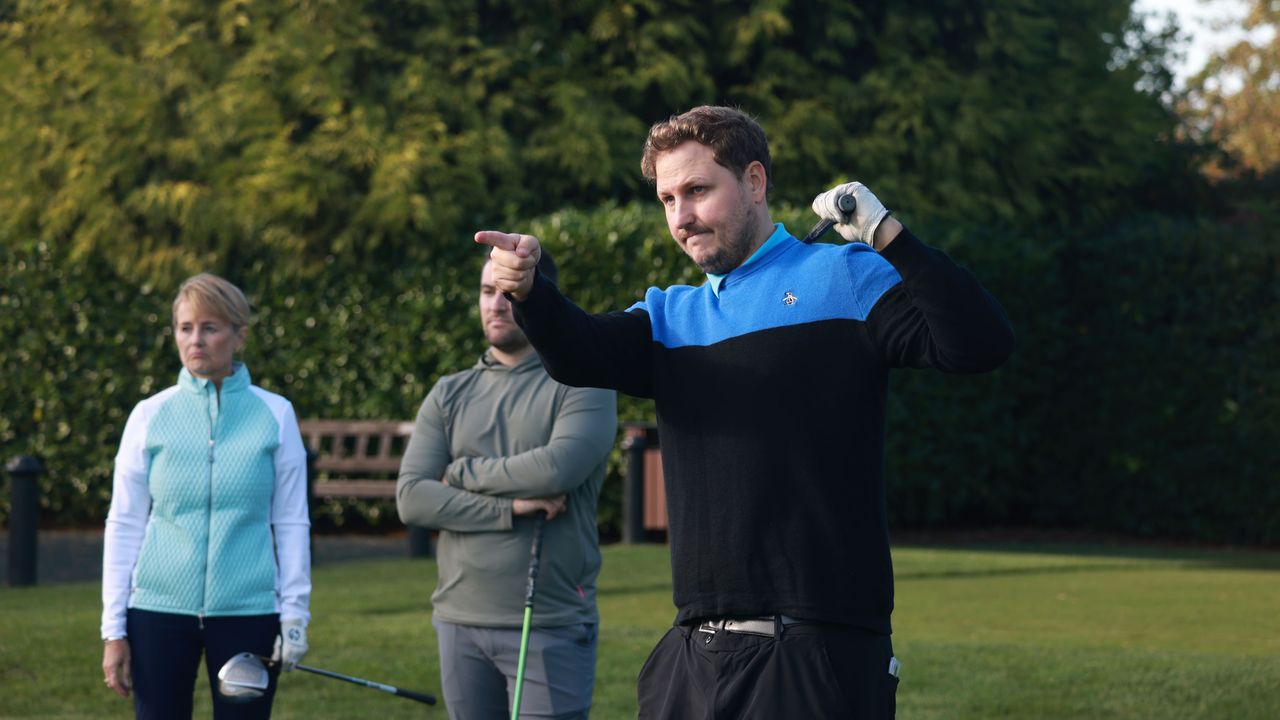
Pointing out slow golfers.

How many times have you walked off a golf course thinking, “Nice round. Shame that group in front took an hour longer than they should have…”?

Slow play is one of the most talked about issues in golf and it can seriously impact on players’ enjoyment of the sport.

Each golfer has a responsibility to be conscious of their own pace of play. We should all make every effort to either keep up with the group in front or to match (or better) the pace of play guidelines set by the club or facility we are playing at.

We all think we do that, at least most of us do. Some people though are clearly not able to either see or own up to their sluggish circuits of the links.

Firstly, I would say I understand that I am a fast player and that older or less experienced golfers sometimes take a little longer to get round. And sometimes, younger golfers of decent ability take an inexplicable amount of time to saunter through 18 holes.

I don’t mind that, if those golfers are aware of their position on the course and are willing and proactive when it comes to letting faster groups through. That is the proper etiquette, as suggested in the rules of golf after all.

What if they don’t behave like that, though? Should you approach them? Should you just leave it, or should you speak to someone in a position of authority at the club or course to seek their advice?

What would you say to that? Which option would you choose? Let us know in the comments box below.

In my experience, approaching slow players can have mixed results. Sometimes a group will be unaware they are holding you up and will be very happy to stand aside when it’s pointed out to them. They feel better for being given the opportunity to do the right thing.

On other occasions, though, I’ve experienced hostility. I’ve heard the following from groups upon being “accused” of glacial play, “Why are you racing round? There’s no rush” ss one defensive retort I’ve had on more than one occasion.

Or another common unhelpful riposte: “You’ll only be held up by the four in front of us”, even when that four is scampering up a fairway two holes ahead.

We don't need this on the course! (Image credit: Kevin Murray)

There Needn't Be A Scene

Starting an altercation on the fairways is never a pleasant prospect and it’s one most of us would like to avoid. I will only now approach a slow group if I’m confident of achieving positive results for all involved.

The easy option is to leave it and quietly complain to your playing partners and others who feel similarly to you about a particular group of slow golfers.

The problem with that is – it doesn’t and won’t ever solve anything.

Option three then – report the slow play to the committee. Is it poor form to tell tales, or is it being helpful to the majority of players who would prefer round times were reduced by half an hour or more?

I think, probably the latter. If committees or those in charge of the tee sheet have the information, they can act if they deem it appropriate.

If regular culprits are identified, a committee can encourage them to change their on-course behaviour – either to speed up a little or be more generous when it comes to allowing faster groups to pass.

If you relate factual information about what you have experienced (extra time taken against pace of play guidelines/number of holes lost) and others do likewise, regular 'offenders' can be identified and things might change.

There needn’t be a scene. A committee can discretely relay information to a player or group that various reports have been received that they have been slow and/or have caused a backlog on the fairways.

It’s then up to the player/s how they use that information. They ought to take it on board and be more considerate in future.

If they don’t change their ways, committees can take a stronger line having given them the head’s up about the dissatisfaction expressed by their fellow golfers.

A next step might be a formal letter requesting they reconsider their on-course behaviour. If that’s still not enough then perhaps the threat of a ban from the next competition, or similar, might get the message across.

As with most things in life, doing nothing means that it’s unlikely that anything will happen. If you don’t feel that confronting slow players directly will have the desired effect, give those in charge the ammunition they need to improve playing conditions for the majority.

If it’s justified, it’s not snitching to report slow players to the committee, it’s doing your fellow golfers a good turn.

Sign up to read this article
Read news from 100's of titles, curated specifically for you.
Already a member? Sign in here
Related Stories
Top stories on inkl right now
One subscription that gives you access to news from hundreds of sites
Already a member? Sign in here
Our Picks
Fourteen days free
Download the app
One app. One membership.
100+ trusted global sources.