Get all your news in one place.
100's of premium titles.
One app.
Start reading
The Economic Times
The Economic Times
Team Global

Tired of skunk odor? Colorado State recommends 1 quart of 3% hydrogen peroxide, baking soda, and soap; the mix tackles the animal’s sulfur-alcohol musk

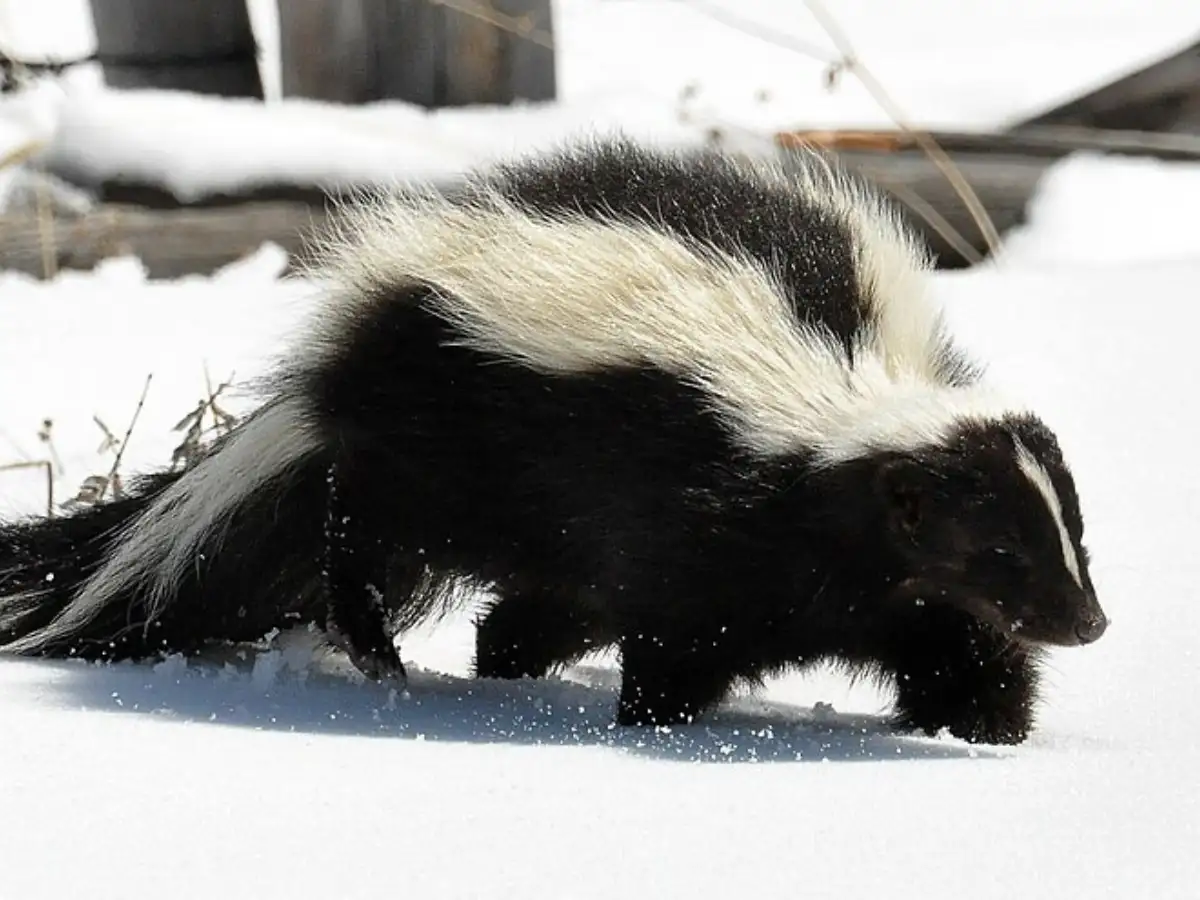
A skunk encounter can make a regular evening into a surprisingly stubborn cleanup job. The smell can linger on fur, clothing, and other surfaces long after the animal has gone. However, before you reach for that pile of scented cleaners, there is a simple formula worth knowing. Colorado State University Extension's "Coping With Skunks" suggests using an alkaline hydrogen peroxide solution made with 1 quart of 3% hydrogen peroxide, 1/4 cup of baking soda, and 1 teaspoon of liquid soap. The recipe was first developed in 1993 by chemist Paul Krebaum and has since been adopted by extension offices nationwide, including Colorado State's.

Why skunk spray smells so powerful

The smell isn't just something unpleasant on your clothes or your pet. Skunk spray contains volatile sulfur-containing chemicals that produce its trademark smell. A 1990 study in the Journal of Chemical Ecology examined the defensive secretion of the striped skunk (Mephitis mephitis). The researchers identified several major components, such as (E)-2-butene-1-thiol, 3-methyl-1-butanethiol, and several thioacetates. The findings shed light on why a small spray can have such a strong smell. The musk is made up of sulfur-containing compounds and can be extremely sickening, the extension office says. The page also warns that getting the musk in your eyes can cause severe burning, tearing, and temporary blindness for about 10 to 15 minutes. It recommends rinsing the eyes with water if this happens.

The three ingredients you need

The recipe itself is straightforward. Colorado State University Extension describes it as an alkaline hydrogen peroxide solution made with 1 quart of 3 percent hydrogen peroxide, 1/4 cup of baking soda, and 1 teaspoon of liquid soap. The university recommends rinsing the animal thoroughly with tap water after treatment for pets. There is a chemical explanation why this kind of procedure could work. First, hydrogen peroxide is an oxidizing agent, and the other ingredient, baking soda, makes the mixture alkaline. Scientific research suggests that altering the chemical structure of skunk odor components can neutralize the smell.

Sign up to read this article
Read news from 100's of titles, curated specifically for you.
Already a member? Sign in here
Related Stories
Top stories on inkl right now
Our Picks
Fourteen days free
Download the app
One app. One membership.
100+ trusted global sources.