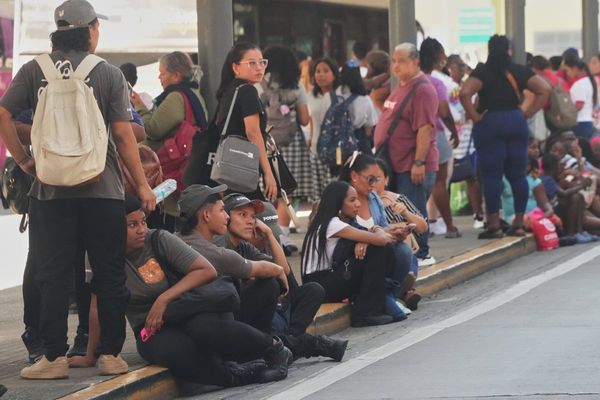
In her book "Beyond Anxiety: Curiosity, Creativity and Finding Your Life's Purpose," the sociologist and life coach Martha Beck describes two different ways humans group in society: One structure is based on rigid rules, such as government systems, and the other, called a "social cell," is based on personal ideals. These idealistic, so-called social cells don’t have a clear leader. Instead, they move toward a common goal driven by a desire for connection.
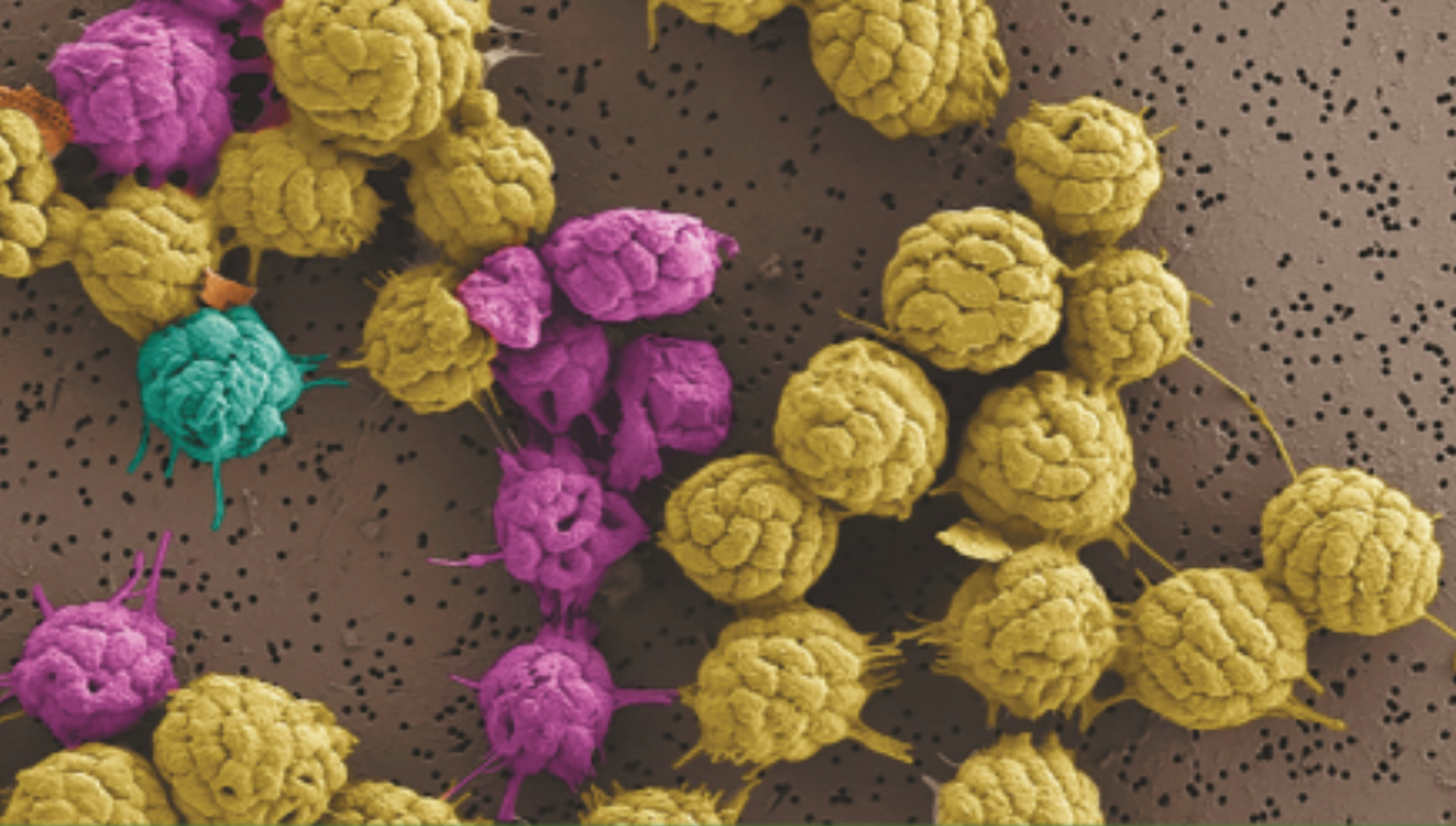
While it's not exactly a social science, it turns out bacteria have their own versions of these social structures, too — and because the earliest fossil evidence for life on our planet was indeed bacterial, studying how bacteria live together may help microbiologists piece together how life began on Earth long ago. One day, it may help us discover life on other planets.