
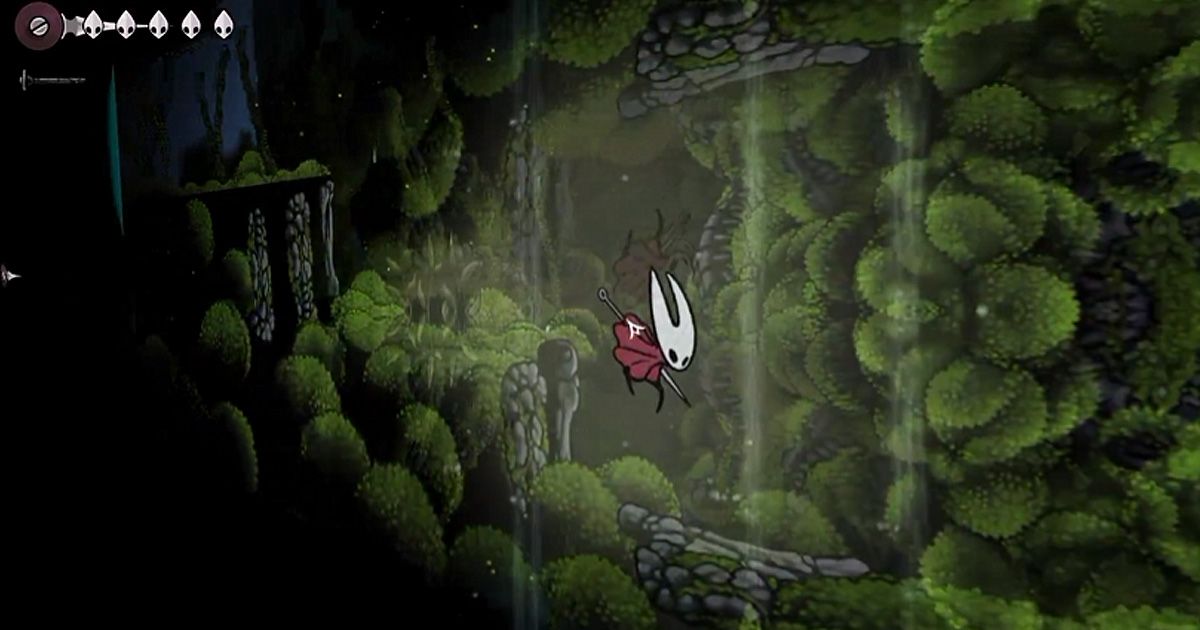
We love a good optical illusion, and even more so when it serves a practical purpose to help achieve a design objective. Game developers use a wide range of clever techniques to trick players’ perceptions, making graphics richer, bigger, or more complex than they really are.
From parallax scrolling in classic 2D games to the repetition of textures to create the impression of complex surfaces, forced perspective to change how large objects look, and the use of fog and lighting to hide rendering limitations, illusions in game development can save processing power and development time while enhancing immersion.













