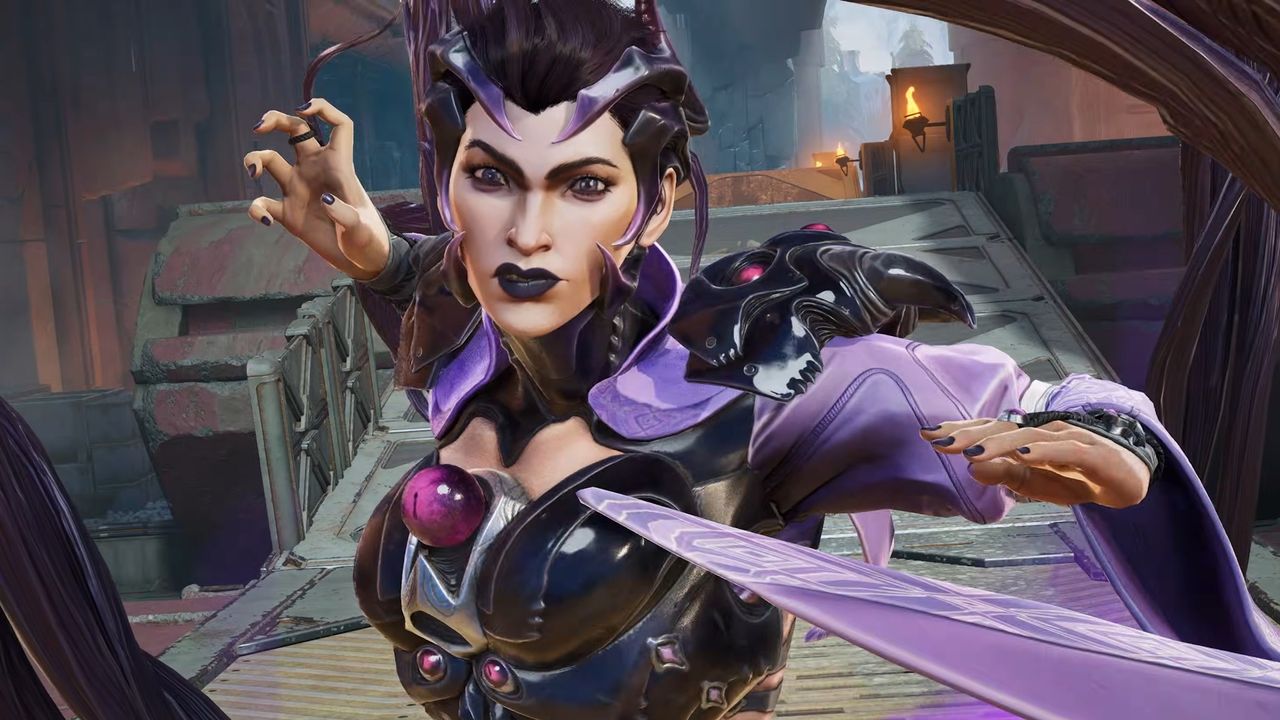
Tech artist Josh Sobel, one of the many Highguard developers recently laid off amid deep cuts at Wildlight Studios, has published a lengthy post-mortem of sorts evaluating the still-kicking game's launch, marketing, and broader reception. Sobel affirms the utmost confidence in the game pre-release, but describes a wave of harassment that hit him and the team after Highguard's Game Awards reveal trailer, and attributes part of the negativity around the game to "absurd amounts of effort" put into "slandering Highguard."
"Reflecting On Shipping My First Game," Sobel says, "everyone I knew who had any connection to the team or project had the same sentiments." Offering quoted examples of such sentiments, Sobel says folks thought "this is lightning in a bottle" and "there's no way this will flop." The confidence is perhaps clearest here: "If there's one project nobody in the industry is worried will fail, it's yours."
Internal feedback pre-reveal supported this outlook, he says, and where feedback "was negative, it was constructive, and often actionable." (In one example of feedback driving changes post-launch, Highguard added and then made permanent a 5v5 mode following complaints of matches feeling slow or maps feeling empty.)
"But then the trailer came out, and it was all downhill from there," Sobel continues. After the big Game Awards spot, Sobel says "the hate started immediately," with "hundreds of angry gamers" invading his personal replies on Twitter and filling posts from Highguard accounts with negative replies.
"After setting my Twitter account to private to protect my sanity, many content creators made videos and posts about me and my cowardice," Sobel says. "They laughed at me for being proud of the game, told me to get out the McDonald's applications, and mocked me for listing having autism in my bio, which they seemed to think was evidence the game would be 'woke trash.' All of this was very emotionally taxing."
Sobel agrees "there is much constructive criticism that can be and has been said about Highguard's trailer, marketing, and launch," and doesn't think "there's any way to know whether the launch would have fared better or worse without the massive spotlight that was thrown onto us in response to The Game Awards' trailer placement."
Wildlight CEO Dusty Welch says he's "going to continue to ask myself" if pivoting away from a long-planned shadow drop for Highguard – directly echoing Apex Legends, which many Wildlight staff previously worked on – was the right decision.
Sobel also addresses the elephant in the room: Highguard faced negativity from the onset and, even in the cutthroat PvP pantheon, it had more to prove. He doesn't lay the game or studio's fate solely at the hands of angry gamers, but suggests the pre-prepared negativity awaiting the game blunted its chances of cutting through.
He also worries that an audience making a habit of delighting in the failure of games like this will lead to stagnation for multiplayer games in the long run.
"I'm not saying our failure is purely the fault of gamer culture and that the game would have thrived without the negative discourse, but it absolutely played a role," he says. "All products are at the whims of the consumers, and the consumers put absurd amounts of effort into slandering Highguard. And it worked."
"Soon, if this pattern continues, all that will be left are corporations, at least in the multiplayer space. Innovation is on life support," Sobel adds.
In closing, alongside best wishes for "the few who remain" at Wildlight, Sobel writes: "Even if Highguard had a rocky launch, our independent, self-published, dev-led studio full of passionate people just trying to make a fun game, with zero AI, and zero corporate oversight…deserved better than this. We deserved the bare minimum of not having our downfall be gleefully manifested."
Our Highguard review gave the game 3/5 stars and called it a "fresh but muddled FPS genre mashup that needs refinement".