In the last census, 1.5 per cent of respondents identified as gay or lesbian while 1.3 per cent identified as bisexual. It’s not a huge gap statistically, is it? But culturally it’s another story. For example, you’d smash it on a game show if you were asked to name 10 famous gay or lesbian celebrities in a minute. But imagine the strife of naming 10 avowedly bisexual, queer or pansexual ones? You might get Cara Delevingne, Miley Cyrus, Janelle Monae or Joe Lycett if you were super clued up. You might say Freddie Mercury – but they’d have to stop taping while everyone debated it for an hour before realising this was the single worst game-show concept of all time.
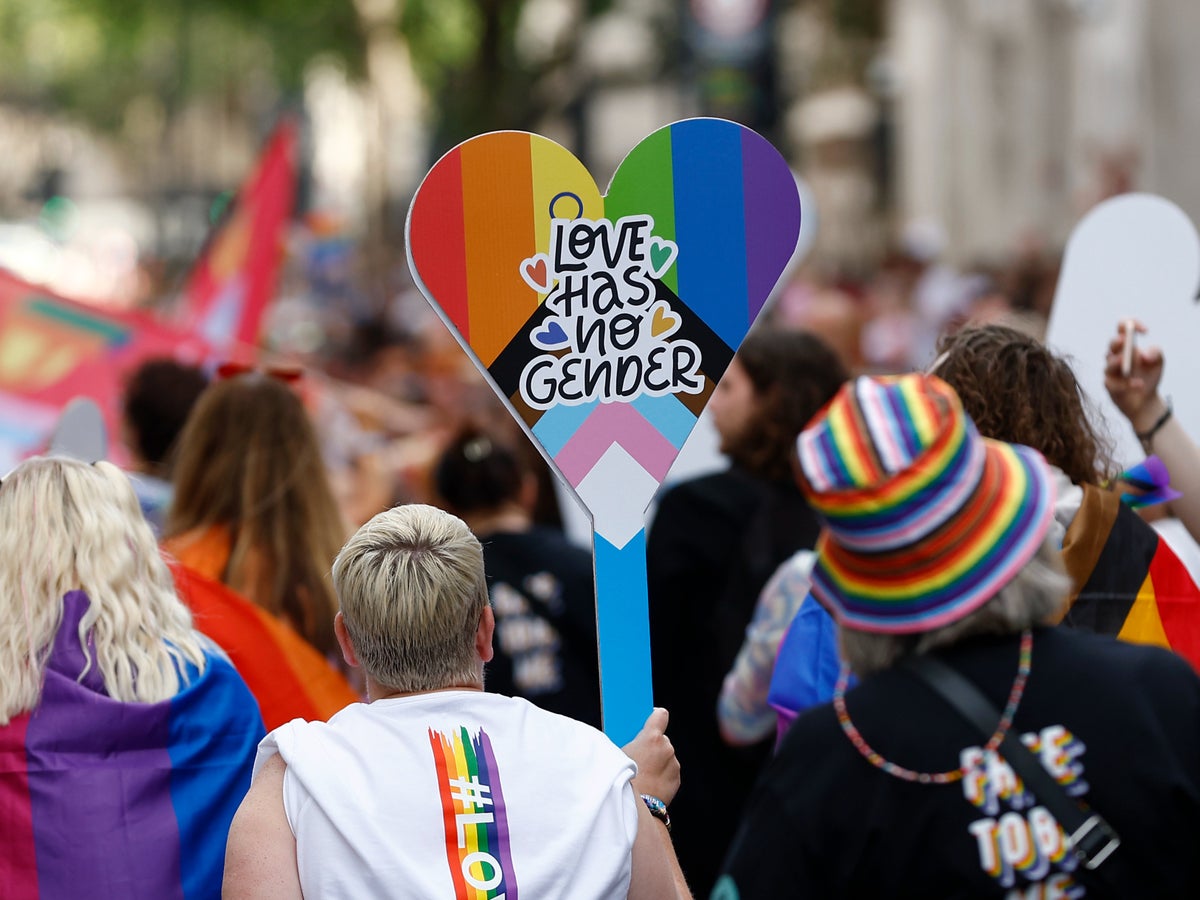
I was at London Pride last weekend, which was happy, sunny, and rightly felt much more focused on promoting trans rights than ever before. Yet if you read the biogs of the 600 parade groups who marched, the word “bisexual” only comes up 16 times, while “pansexual” only gets two mentions. I identify as the latter. I’m attracted to people irrespective of their gender, be they trans, female, male, non-binary. I shop from every aisle of the sexual supermarket and am myself open to being snapped up by any and all customers. Counterintuitively, though, while you’d imagine that (theoretically) being a green light to everyone would make you super popular, I feel like the exact opposite is true – for me and many others like me. Fancying more than one gender is so misunderstood – from the mainstream to the margins – that it’s starting to become a drag.