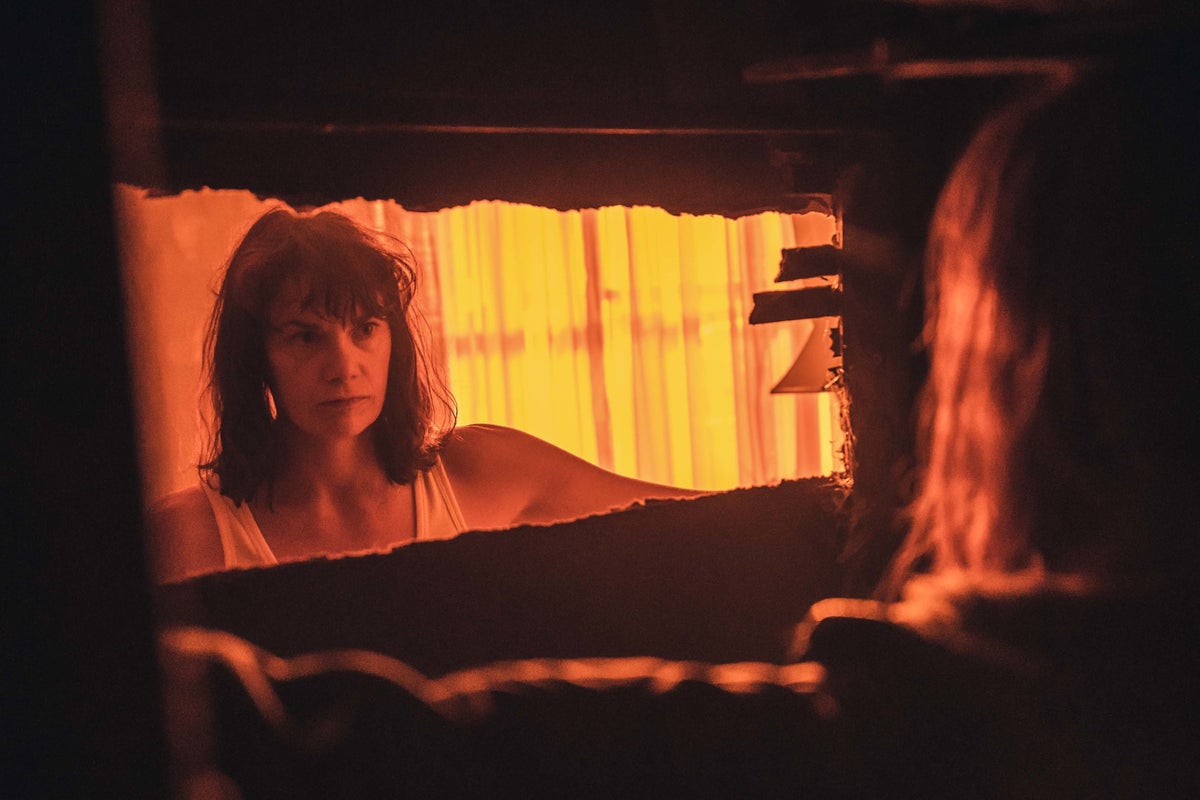
From the 18th century right up to the eve of the new millennium, convents in Ireland, run by the Roman Catholic church, took in wayward girls, offering their families the promise of bed, board and an education. In fact, they were put to hard labour in for-profit laundries and forced to give up their babies. It is a dark chapter of Irish history, and one that provides the backdrop to the new BBC six-part thriller, The Woman in the Wall.
Ruth Wilson is Lorna, a seamstress in Blackrock, a suburban part of Dublin that feels more like a seaside village. Lorna is quiet and apparently fragile. She suffers from destructive sleepwalking and is carrying the heavy burden of her experiences at the Kilkinure convent, one of the notorious laundries. There, Lorna and the other young “fallen women” endured backbreaking work and were forcibly separated from their newborns. “Monstra Te Esse Matrem” reads the convent’s Latin motto. “Show thyself a mother,” translates the aged but intransigent Sister (Frances Tomelty).