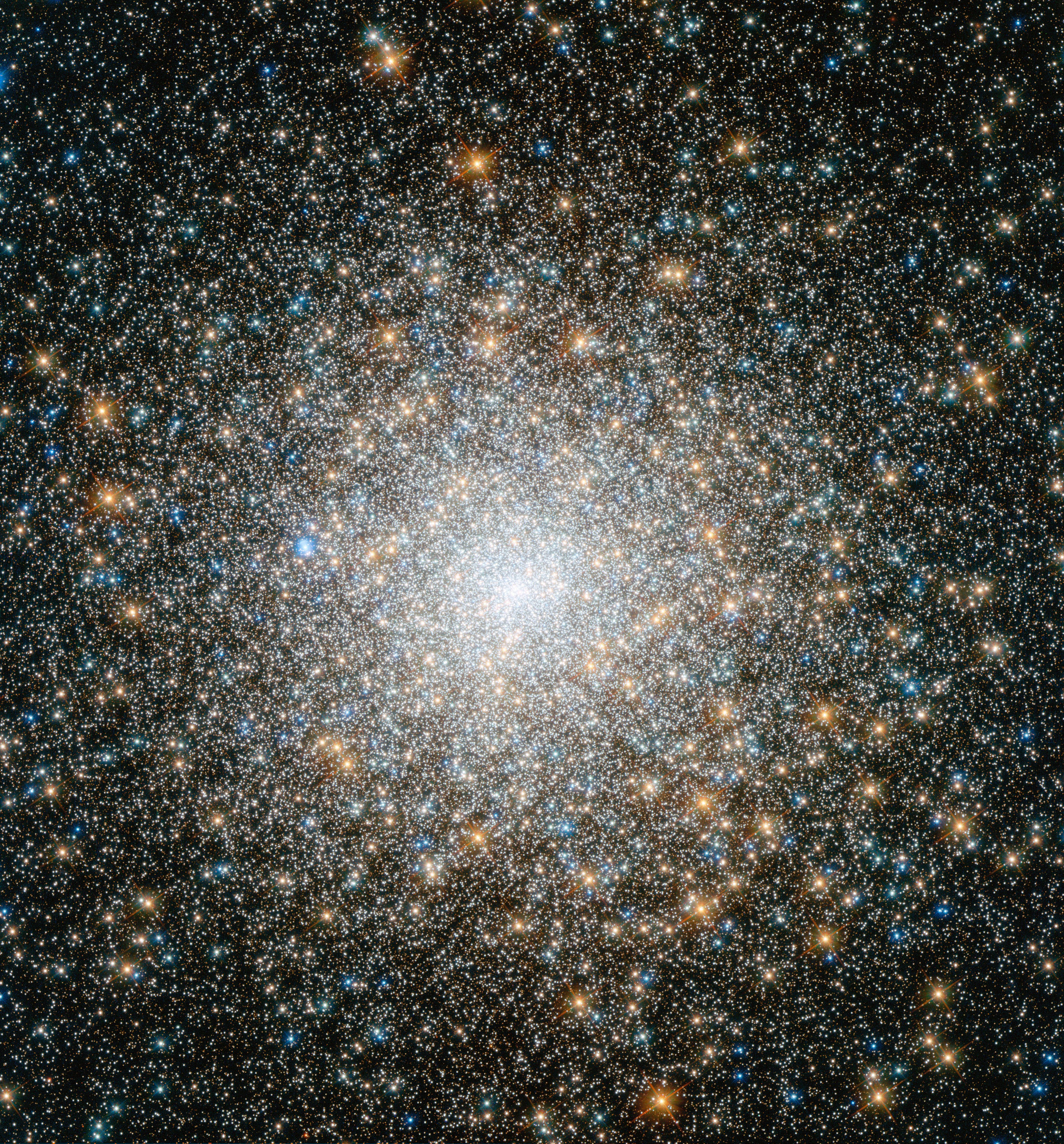
The James Webb Space Telescope (JWST) just spotted round clusters of stars inside a galaxy more than 13 billion light years away, which formed just a few hundred million years after the Big Bang. The new discovery may shed light on how the universe’s earliest galaxies formed and evolved, and how they helped light up the universe after the Cosmic Dark Ages. And it turns out that close-knit balls of stars called globular clusters may have played an important role.

Get all your news in one place.
100's of premium titles.
One app.
Start reading
One app.
Get all your news in one place.
100's of premium titles. One news app.
The Webb Telescope Found Strange, Sparkling Balls That Might Have Helped Light Up the Universe
Sign up to read this article
Read news from 100's of titles, curated specifically for you.
Already a member?
Sign in here
Top stories on inkl right now
One subscription that gives you access to news from hundreds of sites
Already a member?
Sign in here
Related Stories
Top stories on inkl right now
One subscription that gives you access to news from hundreds of sites
Already a member?
Sign in here
Our Picks