Get all your news in one place.
100's of premium titles.
One app.
Start reading
The Conversation
The Conversation
Environment
Alyssa Murdoch, Postdoctoral fellow, Cooke Lab, Carleton University

The use of natural outdoor laboratories can reduce threats to freshwater biodiversity

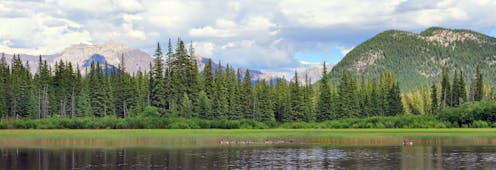
Studying the impacts of climate and landscape stressors on freshwater biodiversity can only help find more strategic solutions when conducted in the messy, yet realistic, outdoor environment. (Shutterstock)

From densely developed cities and geometric agricultural plots to the ubiquitous roadways, pipelines and power grids, an aerial view of the earth reveals our impact on our landscapes. In less populated areas, unprecedented glacial melt and deep craters caused by the thawing of frozen soil and rock called permafrost megaslumps give stark reminders of the ongoing climate crisis.

Our entire global biodiversity, from these deforested lands and glaciers to coral reefs and tiny freshwater mussels, is now in jeopardy. The collapsing freshwater systems are already affecting our health and well-being by weakening our resilience to extreme climatic events and our local economies, while also disrupting water and food security.
Sign up to read this article
Read news from 100's of titles, curated specifically for you.
Already a member? Sign in here
Related Stories
Top stories on inkl right now
One subscription that gives you access to news from hundreds of sites
Already a member? Sign in here
Our Picks
Fourteen days free
Download the app
One app. One membership.
100+ trusted global sources.