
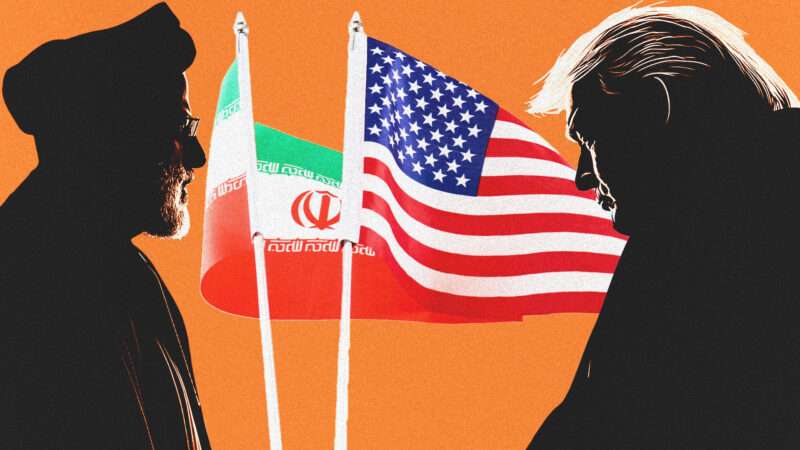
The United States has gotten used to specific ways of ending wars. Sometimes the U.S. military decisively forces the enemy state to surrender, imposes a new political order, and gets it to stick, as in Germany and Japan in the 1940s or Panama in the 1990s. Other times, rebels wear down U.S. resources and willpower before decisively kicking out U.S. forces, as in Vietnam in 1975 or Afghanistan in 2021.
But the Iran war is ending with something quite unfamiliar to Washington: compromise. The United States and Iran were unable to defeat each other in the first round, and, staring at an unacceptably costly escalation, they came to the table. While a final deal hasn't been agreed to, the ceasefire memorandum commits both sides to giving things up, with the U.S. promising to lift all economic sanctions if Iran negotiates away its nuclear program.










