
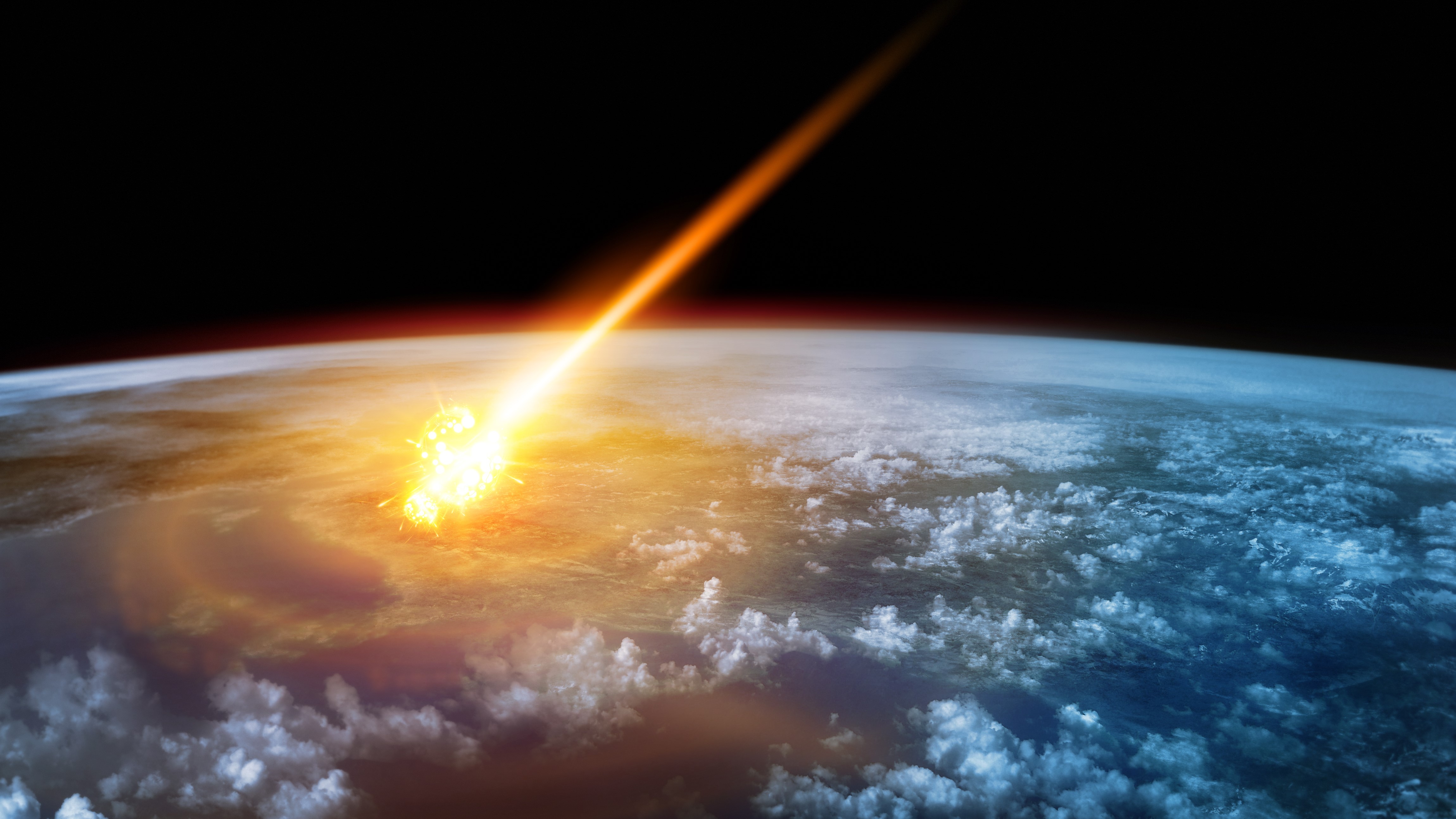
On June 30, 1908, an asteroid flattened an estimated 80 million trees in Siberia over 830 square miles (2,150 square kilometers). Dubbed the Tunguska event, it is considered the biggest asteroid impact in recorded history. Yet no one has ever found the asteroid fragments or an impact site.
The asteroid lit up the skies in a remote, sparsely inhabited region near the Podkamennaya Tunguska River. It unleashed a 10 to 15 megaton explosion — similar in size to the 1954 Castle Bravo nuclear bomb test, the fifth-largest nuclear detonation in history. "The sky was split in two, and high above the forest the whole northern part of the sky appeared covered with fire," an eyewitness reported.














