Get all your news in one place.
100’s of premium titles.
One app.
Start reading
Budget and the Bees
Budget and the Bees
Latrice Perez

The “Tip Screen” Trap: 6 Places You Should Never Feel Guilt-Tripped Into Tipping

tip screen trap
Image source: shutterstock.com

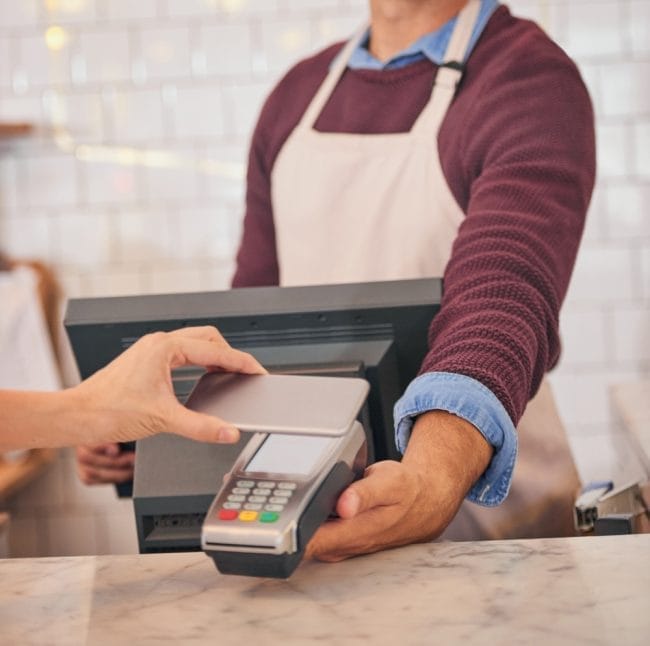
It is a universal modern anxiety. You order a black coffee, and the cashier spins that sleek white tablet toward you. Suddenly, you face three pre-selected percentages: 20%, 25%, 30%. Because the cashier stands right there watching, the pressure mounts. You want to avoid looking cheap, but you also just paid $5 for bean water that you carry yourself. Consequently, you panic and hit 20%.

Welcome to the “Tip Screen Trap.” Currently, we experience unprecedented tipping fatigue, driven by point-of-sale software that normalizes asking for gratuity in nearly every transaction. As a financial analyst, I validate your frustration: this has gotten out of control. Originally, society designed tipping to reward exceptional service in sub-minimum wage industries. Conversely, it should not subsidize the payroll of every business you visit. Therefore, we must set boundaries and stop succumbing to digital peer pressure.

The Counter-Service Coffee or Bagel Shop

Let’s analyze this interaction honestly. First, you stand in line. Then, you place the order. Finally, you wait at a counter to pick it up. Although the staff works hard, the service dynamic differs fundamentally from a sit-down restaurant where a server manages your experience for an hour. When you tip at a kiosk, you essentially tip for the transaction itself. While dropping a dollar in a jar for a complicated latte is a nice gesture, expecting a 20%+ tip on a simple transaction creates a software-driven imposition. Therefore, do not feel guilty hitting “no tip” for a drip coffee you pour yourself.

Self-Checkout Kiosks

Perhaps the most egregious example of the tip screen trap, this trend appears alarmingly often in airports and stadiums. You perform all the labor—scanning, bagging, and paying—yet the machine has the audacity to ask for a tip. Who exactly do you tip? The software engineer who coded the interface? In reality, this represents a blatant cash grab by corporations hoping you feel too flustered to notice. Never tip a robot for work you did yourself. Ultimately, it sets a terrible precedent for consumer behavior.

Retail Boutiques and Shops

You buy a scented candle or a new shirt, and the checkout iPad spins around asking for gratuity. This signals a massive overreach of tipping culture into traditional retail. Employers pay retail staff at least minimum wage, and their job involves selling products rather than providing personal service. While customers appreciate helpful staff, compensation should come from the employer via sales commissions or hourly wages, not from a surprise tax at checkout. Tipping for buying a product off a shelf makes no sense.

Mechanics, Plumbers, and Tradespeople

Skilled tradespeople provide incredible value; however, their pricing model differs vastly from the hospitality industry. A mechanic sets their hourly labor rate—often $100 or more—to cover expertise, overhead, and profit margins. When you receive a $1,200 invoice for a car repair, the shop builds the service cost directly into the price. They do not rely on tips to make ends meet because they run businesses with set rates. While offering a cold drink on a hot day is nice, the trades absolutely do not require monetary tipping.

Fast Food Drive-Thru

Updated credit card terminals drive the recent creep of tipping into fast food. The industry never built the speed and volume model around gratuity. Again, technology prompts the question here, not the actual service dynamic. Handing a bag out a window does not warrant a 20% surcharge. Instead of offloading responsibility onto customers in the drive-thru lane, corporations should simply pay living wages.

Med Spas and Professional Services

This tricky area often causes confusion. If you see a medical professional—like a nurse injector for Botox or a laser technician in a medical setting—tipping is generally inappropriate. Licensed professionals charge premium prices to perform these clinical procedures. Just as you wouldn’t tip your dentist after a filling, you shouldn’t feel pressured to tip after a medical aesthetic procedure. The service cost suffices.

Reclaim Control of Your Wallet

Companies design the “Tablet Turn” to weaponize social awkwardness for profit. It relies on your fear of judgment during the three seconds it takes to complete a transaction. The next time that screen spins around in one of these six scenarios, take a deep breath. Remember that “No Tip” or “Custom Amount: $0.00” remain perfectly acceptable options. Press the button without guilt. You work hard for your money; do not give it away just because an iPad asked you to.

Where Do You Draw the Line? What is the wildest place a machine asked you for a tip recently? A self-checkout? A retail store? Vent your frustration in the comments below!

What to Read Next…

The post The “Tip Screen” Trap: 6 Places You Should Never Feel Guilt-Tripped Into Tipping appeared first on Budget and the Bees.

Sign up to read this article
Read news from 100’s of titles, curated specifically for you.
Already a member? Sign in here
Related Stories
Top stories on inkl right now
One subscription that gives you access to news from hundreds of sites
Already a member? Sign in here
Our Picks
Fourteen days free
Download the app
One app. One membership.
100+ trusted global sources.