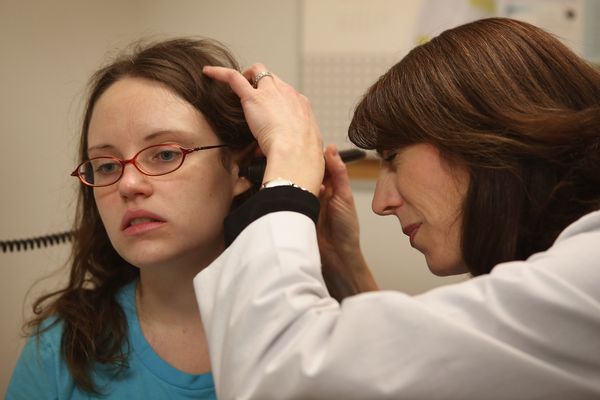
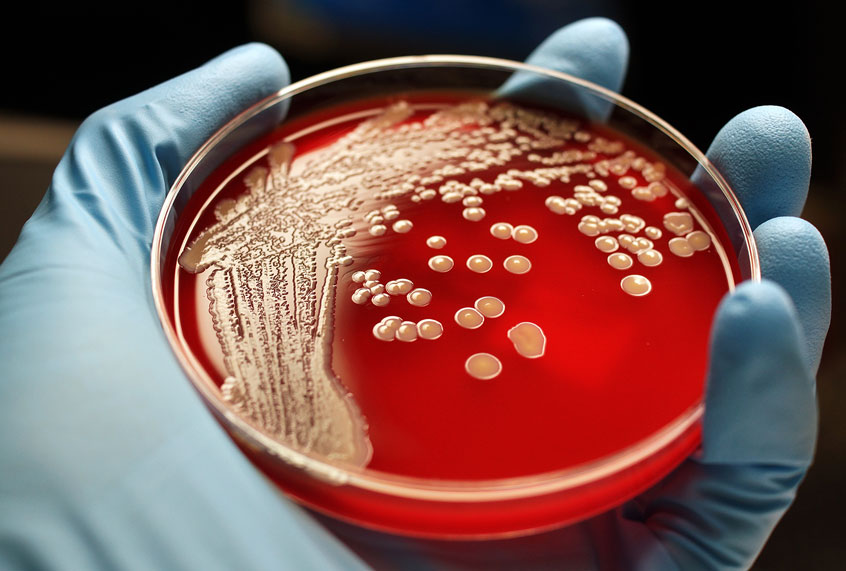
For years, human civilization has been embroiled in a quiet public health crisis: Some of our antibiotic drugs have stopped working. The over-prescription of antibiotics has turned the bugs we could once easily defeat into super-pathogens capable of evading even our best defenses, as they have evolved faster than we can design drugs to defeat them. By some estimates, antibiotic resistance could kill as many as 10 million people annually by 2050. Already, around 1.27 million people die every year from infections for which drugs do little to nothing.
To make matters worse, new drugs that address this problem aren't being developed fast enough, as there isn't much profit in developing new antibiotics. As Salon has previously reported, Big Pharma has mostly abandoned antibiotics development. The problem seems to be getting worse, leading to the rise of new sexually transmitted infections that don't respond to standard antibiotics. Worse, climate change may also be making drug-resistant superbugs even deadlier.