On Feb. 28, 2022, the U.S. Supreme Court will hear oral arguments in West Virginia v. EPA, a case that centers on the U.S. Environmental Protection Agency’s authority to regulate greenhouse gas emissions that drive climate change. How the court decides the case could have broad ramifications, not just for climate change but for federal regulation in many areas.
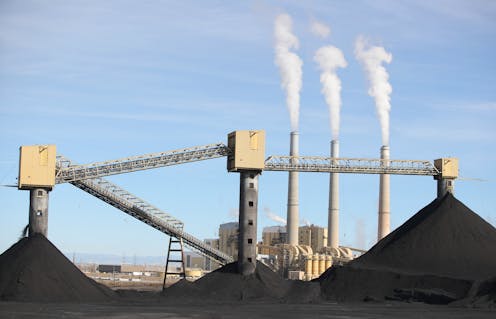
This case stems from actions over the past decade to reduce greenhouse gas emissions from power plants, a centerpiece of U.S. climate change policy. In 2016, the Supreme Court blocked the Obama administration’s Clean Power Plan, which was designed to reduce these emissions. The Trump administration repealed the Clean Power Plan and replaced it with the far less stringent Affordable Clean Energy Rule. Various parties challenged that measure, and a federal court invalidated it a day before Trump left office.