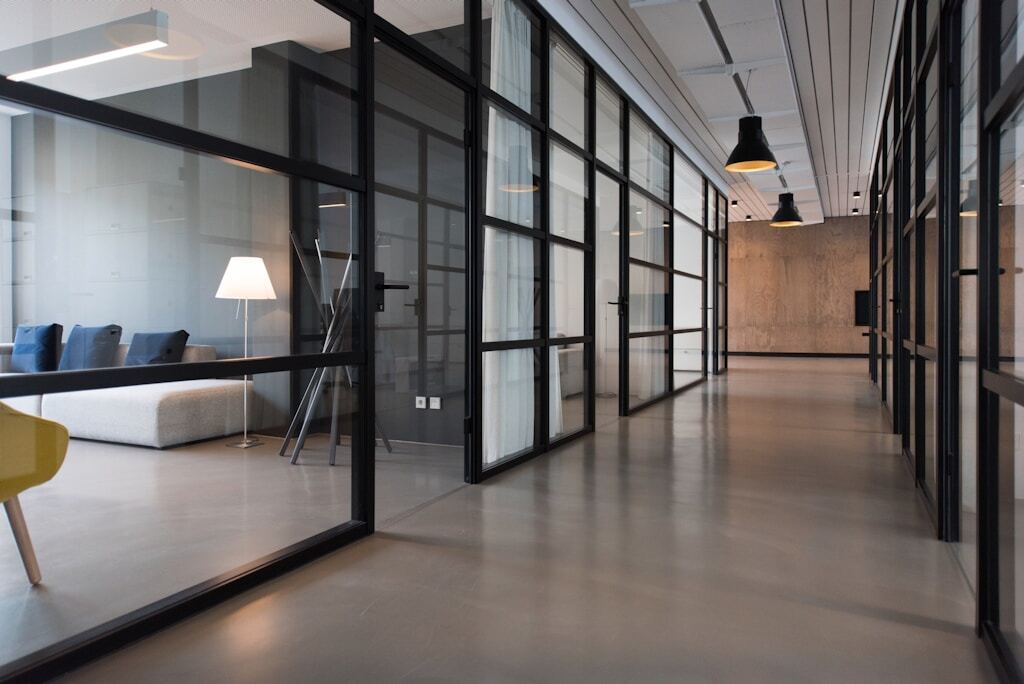
In today's fast-paced business environment, the design of a workspace is more than just an aesthetic choice; it is a strategic decision that can significantly impact employee performance. The psychology of workspace design delves into how the physical environment, including office furniture, influences productivity, creativity, and overall well-being. As companies strive to enhance efficiency and foster innovation, understanding the subtle yet powerful effects of workspace design becomes crucial. This article explores the research-backed connections between workspace design and employee performance, offering practical insights for business leaders aiming to optimize their office environments for measurable gains.
Research-backed connections between workspace design and productivity
Numerous studies have demonstrated that the physical design of a workspace can profoundly affect employee productivity. The layout, furniture, and even the color scheme can either enhance or hinder performance. For instance, research indicates that open-plan offices can facilitate communication and collaboration, but they may also lead to distractions and reduced concentration. Conversely, private offices can enhance focus but may limit spontaneous interactions.
The choice of office furniture plays a pivotal role in this dynamic. Ergonomic furniture, designed to support the body and reduce strain, can lead to significant improvements in productivity by minimizing discomfort and fatigue. According to a study published in the Journal of Public Health, employees who used ergonomic furniture reported a 17.7% increase in productivity compared to those who did not. This highlights the importance of selecting furniture that not only fits the aesthetic of the office but also supports the physical well-being of employees.
For businesses looking to enhance productivity through workspace design, investing in high-quality, ergonomic office furniture is a practical step. Companies like https://2020furnituredesign.co.uk/ offer a range of furniture solutions that cater to these needs, providing options that blend functionality with style.
The role of color psychology in furniture selection
Color psychology is a fascinating aspect of workspace design that can significantly influence employee mood and performance. Different colors evoke different psychological responses, and selecting the right color palette for office furniture can create an environment conducive to productivity and creativity.
For example, blue is often associated with calmness and focus, making it an ideal choice for areas where concentration is paramount. Green, on the other hand, is linked to creativity and innovation, making it suitable for brainstorming spaces. Red can stimulate energy and excitement, but it should be used sparingly as it can also increase stress levels.
When selecting furniture, business leaders should consider how color can be used strategically to enhance the desired atmosphere in different areas of the office. Companies like https://2020furnituredesign.co.uk/furniture/ provide a variety of options that allow for customization in color, enabling businesses to tailor their environments to their specific needs.
Impact of desk layout and spatial arrangement on collaboration and cognitive performance
The layout of desks and the overall spatial arrangement of an office can significantly influence both collaboration and cognitive performance. An effective layout can facilitate communication and teamwork, while a poorly designed space can lead to isolation and reduced interaction.
Open-plan layouts, which have become increasingly popular, encourage spontaneous interactions and collaboration. However, they can also lead to noise and distractions, which may impair cognitive performance. To mitigate these issues, some companies are adopting hybrid layouts that combine open spaces with private areas, allowing employees to choose the environment that best suits their task.
Spatial arrangement also affects cognitive performance by influencing how employees perceive and navigate their environment. A well-organized space with clear pathways and designated areas for different activities can enhance cognitive function by reducing stress and confusion. Business leaders should consider these factors when designing their office spaces to ensure that the layout supports both collaboration and individual focus.
In conclusion, the psychology of workspace design is a critical consideration for businesses aiming to enhance performance. By understanding the impact of furniture, color, and layout on employee productivity, creativity, and well-being, business leaders can create environments that not only look appealing but also drive success.