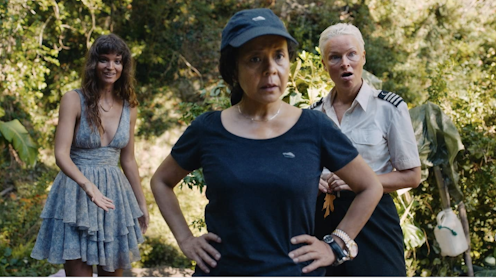
Ruben Östlund’s 2022 film Triangle of Sadness has attracted both praise and criticism as a satire of the world’s rich. Triangle of Sadness follows the familiar plot of a castaway story. A luxury cruise ship capsizes after a disastrous drinking session between the captain (an American communist) and a passenger (a Russian capitalist) in the midst of a storm, leaves the ship vulnerable to pirates, who blow it up. Several passengers escape and fight to survive on a desert island.
However, their social rank, class and privilege are washed away with the shipwreck. To survive, they cannot rely on their prevailing social power: money. Instead, each person must act in self-interest. This situation provokes depravity from the survivors and it is this aspect of the film that brings the success of its satire into question.