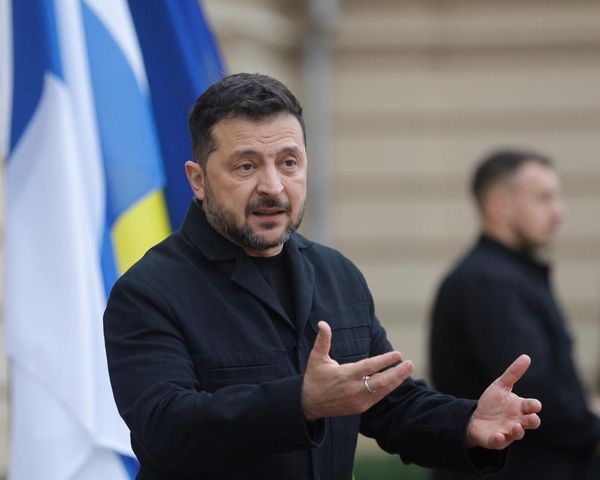
Russia’s full-scale invasion of Ukraine, which began a year ago this week, was an extraordinary and unexpected event that has changed the world in which we live. Long-held assumptions about peace in Europe, post-cold war relations with Moscow and Nato’s diminished standing were shattered overnight. The war has revolutionised German defence policy, silenced French talk of “strategic autonomy”, boosted EU unity, revived US commitment to the transatlantic alliance, dramatised the global north-south divide, reduced the UN to the role of hand-wringing bystander and given the UK an opportunity, after Brexit, to show it still has an international role to play.
The fallout from Russia’s illegal, unprovoked attack, ordered by its president, Vladimir Putin, has caused immense economic and social disruption reaching beyond Europe. Vital grain exports from Ukraine to Middle Eastern and African countries faced a Black Sea naval blockade. Fragile, post-Covid global supply chains were further damaged, fuelling a cost of living crisis. Europe’s over-dependence on Russian gas and oil was painfully exposed. As western sanctions bit, Putin deliberately weaponised energy prices, attempted nuclear blackmail and sought a closer alliance with China. Under air and missile attack, millions of refugees fled Ukraine. Thousands of civilians have died – and are still dying.