
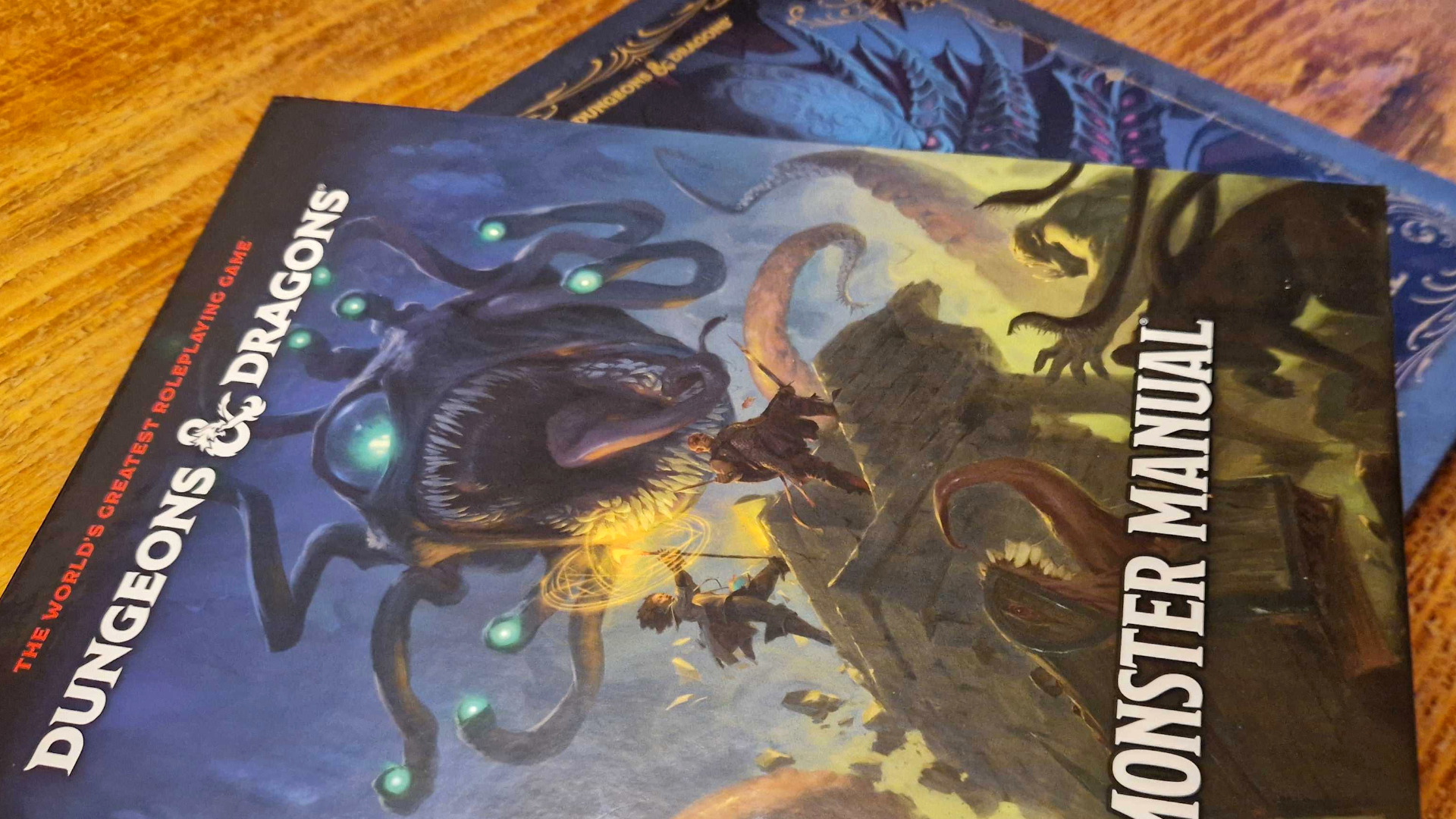
When Wizards of the Coast released the first of its new Dungeons & Dragons core rulebooks last year, the company carefully explained that they were just revisions of 5th Edition and not an entirely new version of the game. It was a clear attempt to avoid the disaster of 4th Edition, which entirely rewrote the game’s core mechanics… rendering everyone’s 3.5 Edition books obsolete. (Unless they wanted to play Pathfinder, which quickly became one of the best tabletop RPGs for some as a result.)
Beyond breaking its own network effect, 4E’s financial failures were due to a broken promise of a virtual tabletop that never manifested and a too aggressive release schedule that left some supplements feeling underbaked. Many players baulked at the new rules, which removed the divide between how casters and non-casters worked by breaking down all of a character’s combat abilities into powers that could be used either at will, once per encounter, or once per day.














