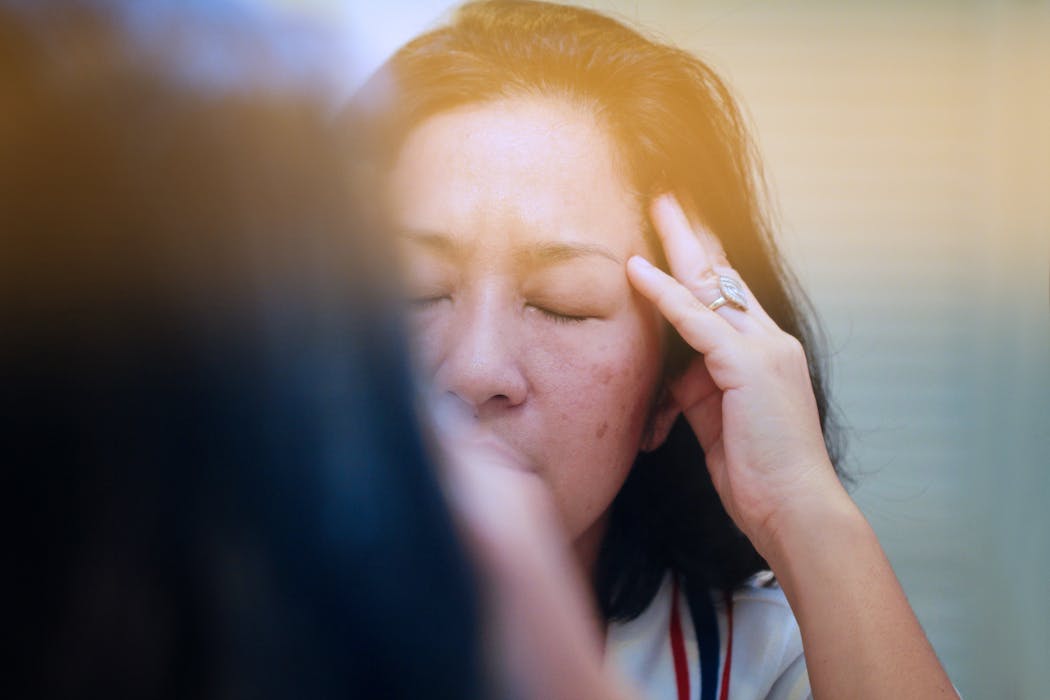
Menopause is often described as “the change”, but for millions of women worldwide it is more than a biological milestone. It is a cultural, social and medical turning point. While most women experience menopause, their journeys are not the same. Ethnicity, culture and access to healthcare shape how symptoms are felt, understood and treated. These differences are rarely acknowledged, leaving many women invisible in public conversations about midlife health.
Menopause marks the end of reproductive years and is defined clinically as 12 months after the final menstrual period. Natural menopause usually occurs between the ages of 45 and 55, with the average age in the UK being 51. The transition that leads up to it, known as perimenopause, can last several years and is characterised by fluctuating hormone levels, particularly oestrogen.