
Get all your news in one place.
100's of premium titles.
One app.
Start reading
Homes & Gardens
Homes & Gardens
Martha Davies

The Low-Maintenance, Drought-Proof Perennial Set to Dominate 2026 – Why Sedum is Every Gardener’s New Go-To

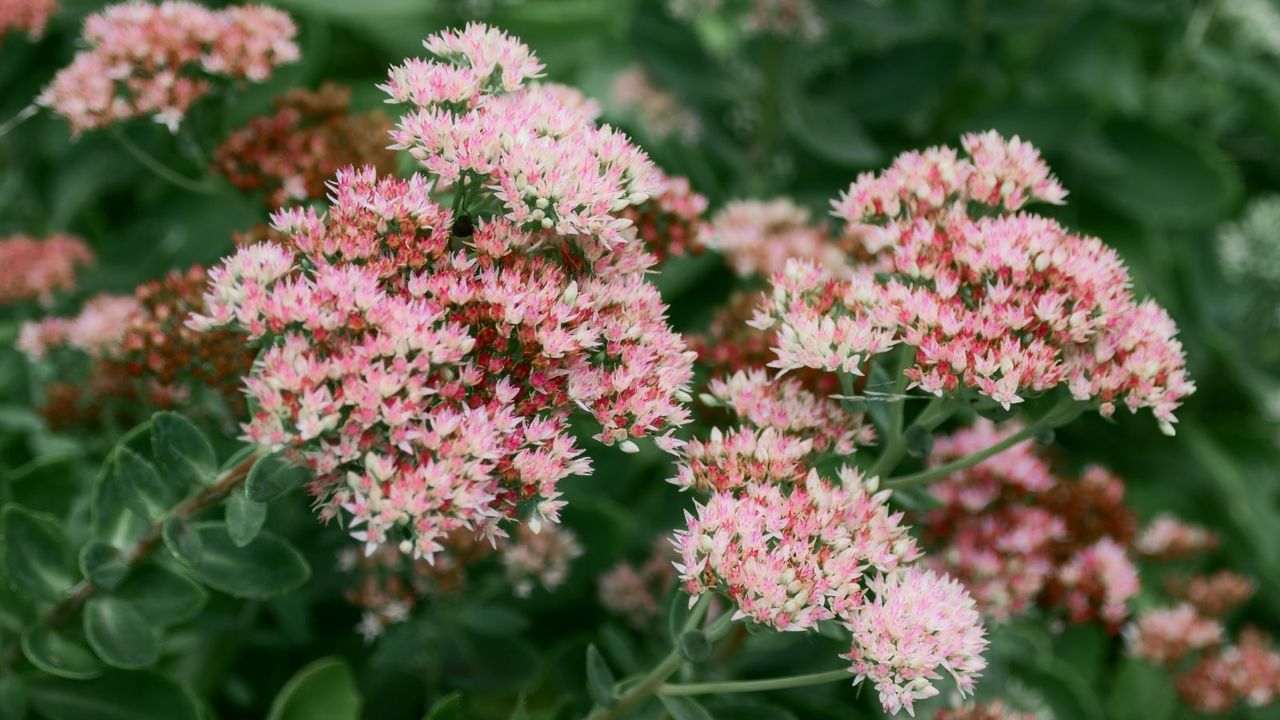
Pink sedum flowers.

Whether you're a keen gardener or you have only just discovered your green thumb, sedums are a brilliant choice for any yard. Drought-tolerant and generally low-maintenance, these succulents are as reliable as they are striking – so much so that they've been named the National Garden Bureau's perennial plant of the year.

Of course, you might be more accustomed to growing succulents indoors, but they really can transform your garden. It's remarkably easy to grow and care for sedums themselves; they are a late-blooming pollinator magnet which can thrive in a wide range of environments.

So, if you're not yet acquainted with these popular plants, we asked experts to explain why they're such a worthwhile addition to your yard – and why exactly they're gaining so much attention right now.

Why Plant Sedum in Your Yard?

(Image credit: tc397 / Getty Images)

Houseplant enthusiasts will likely be well acquainted with sedums, but they may not spring to mind when you envision a thriving garden.

Yet with their bold foliage and star-shaped blooms, they're guaranteed to bring visual interest to your borders or beds – and there are plenty of varieties to choose from.

'From sprawling groundcovers to bold, upright clumps that anchor the fall border, sedum offers something for virtually every garden style and climate,' notes the National Garden Bureau.

'The genus is available wherever perennials are sold and has built a loyal following among novice gardeners and seasoned landscapers alike.'

There are many reasons why sedums are so popular, but two factors are particularly significant: the sheer variety of species on offer, and the lack of upkeep they require.

'All kinds of sedums are the quiet workhorses of the garden, earning their keep in almost any type of yard, big or small,' says Rachel Bull, Head of Gardens at Homes & Gardens.

'These resilient succulents thrive in poor soil, tolerate drought with ease, and ask for very little attention in return – and they offer a remarkable range of forms and textures that can knit planting schemes together beautifully.'

As the National Garden Bureau explains, 'Sedum generally fall into three categories: upright Autumn Stonecrops such as the beloved ‘Autumn Joy,’ compact clumping varieties ideal for garden borders and rock gardens, and low-spreading groundcover types that form dense mats of succulent foliage.'

If you're looking for something colorful, you can pick up an Autumn Joy sedum from Nature Hills, or try the Mr Goodbud sedum, also from Nature Hills, which makes a great addition to a border.

When it comes to groundcover, meanwhile, the Atlantis sedum is a brilliant choice – you can find it at Burpee.

Are Sedums Easy to Grow?

(Image credit: Alex Manders / Getty Images)

When it comes to fast-growing succulents to plant outdoors, sedums really are a perfect choice – primarily because they thrive on neglect. In fact, the National Garden Bureau labels sedum as 'easy to grow and hard to kill'.

'The beauty of sedum is its resilience,' says Diane Blazek, Executive Director of the National Garden Bureau.

'Over-fertilizing or over-watering can actually be detrimental. These plants are designed to be drought-hardy, storing moisture in their foliage to survive long periods without supplemental irrigation.'

Well-draining soil is key; opt for something like Back to the Roots' organic succulent mix, which you can buy from Amazon, or add a little gravel or sand to your beds and borders to keep your sedum plants happy.

'Soggy soils can cause stretching, stem weakness, and foliage damage,' explains the National Garden Bureau. 'In most cases, no fertilizer or soil amendments are necessary.'

Sedums are also a failsafe way to create a wildlife garden: their late-season blooms make them some of the best plants for pollinators, especially if you prefer something that you can 'set and forget'.

'Many varieties of sedum provide valuable late-season nectar for pollinators,' explains Rachel. 'They are ideal for extending a garden’s visual interest well into fall, while remaining reliably low-maintenance. Their range of forms and textures can knit planting schemes together beautifully.'

Shop More Sedums

Looking for more easy gardening wins this spring and summer? We've picked out our favorite 'set and forget' groundcover plants that thrive on neglect.

And if you love inspiring garden ideas, outdoor advice, and the latest news, why not sign up for our newsletter and get the latest features delivered straight to your inbox.

Sign up to read this article
Read news from 100's of titles, curated specifically for you.
Already a member? Sign in here
Related Stories
Top stories on inkl right now
One subscription that gives you access to news from hundreds of sites
Already a member? Sign in here
Our Picks
Fourteen days free
Download the app
One app. One membership.
100+ trusted global sources.