Certain artists love to defy standard 2-hour runtimes when it comes to concerts, with the likes of Bruce Springsteen and The Cure known for their lengthy and bladder-punishing setlists.
However, none can compete with an organ in Germany, which is playing one composition in essentially the world's slowest concert - one which will outlive us all.
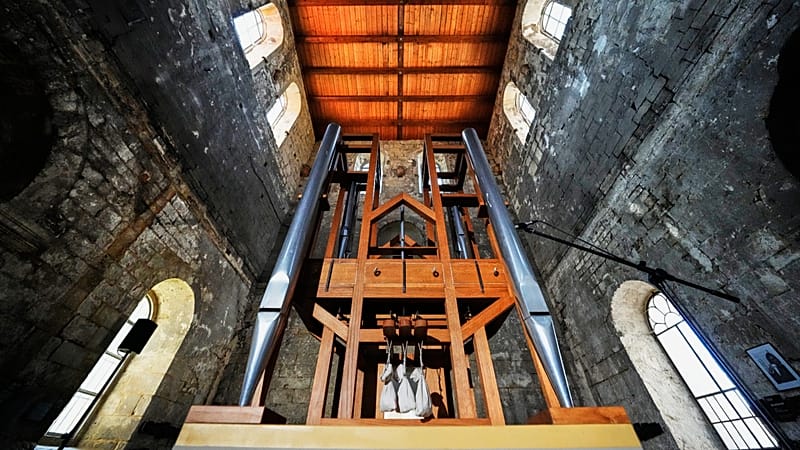
Aptly titled 'ORGAN²/ASLSP (As SLow aS Possible)', the piece began playing on 5 September 2001 at the medieval St Burchardi church in the eastern town of Halberstadt in Germany and won't finish until the year 2640.
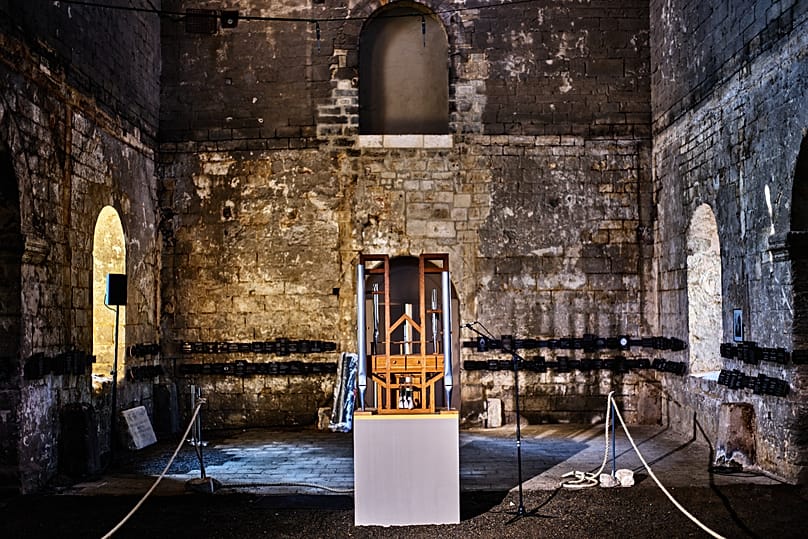
Composed by boundary-pushing avant-garde US composer John Cage, the piece is played so slowly that any chord change in the John Cage Organ Project Halberstadt becomes news and draws thousands of visitors. And today is one of those rare days when a new note is played.
The change - from seven notes to eight once an A4 pipe is added - represents the 17th change and the completion of about 4 per cent of the 639-year endeavour.
The last chord change took place two years ago, on 5 February 2024.
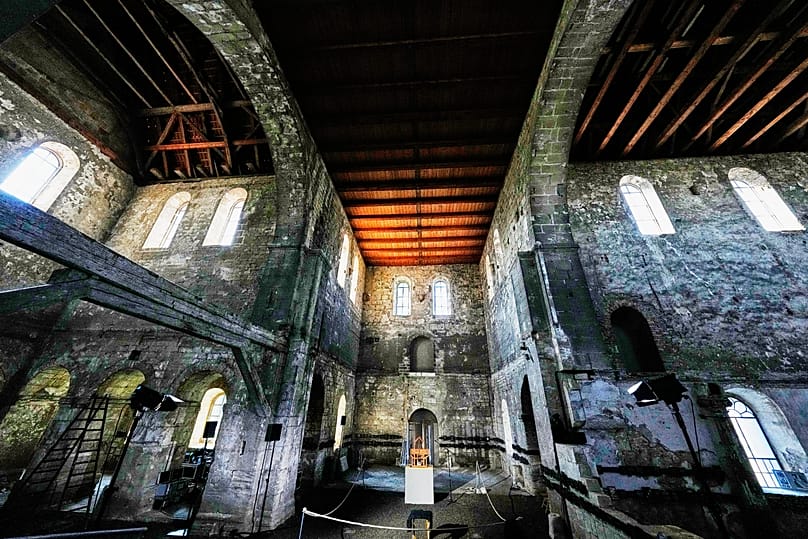
So, how does it work? Put simply, an electric-powered blower system sends wind into the organ to create a continuous sound. Since it's impossible for a musician to hold down the keys for so long, the chord changes - done manually - are also possible with the use of small sandbags to keep the sound going.
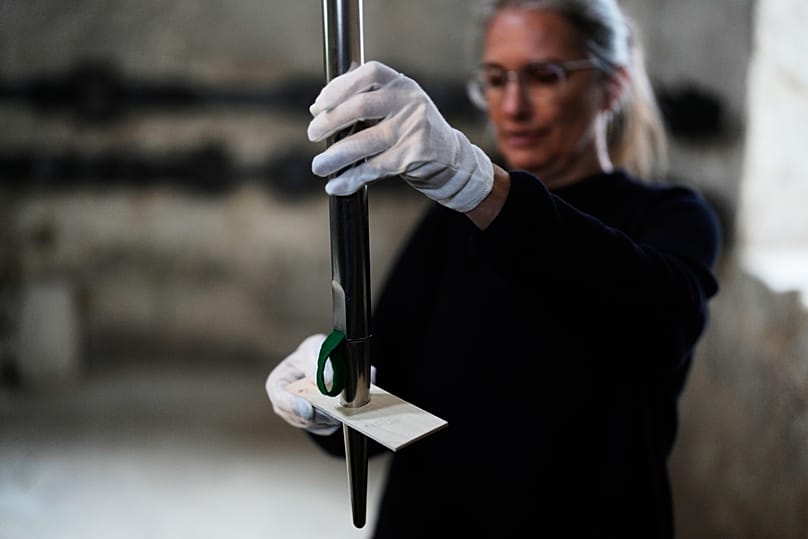
Originally written for piano in 1985, Cage adapted the piece in an arrangement for organ before he died in 1992. He never specified how long the piece should be played, leaving a single cryptic note: “ASLSP,” meaning “as slowly and softly as possible.”
They took that note seriously and very literally. Still, it's a fitting tribute to a composer who wasn’t afraid of breaking down our understanding of what music can be.
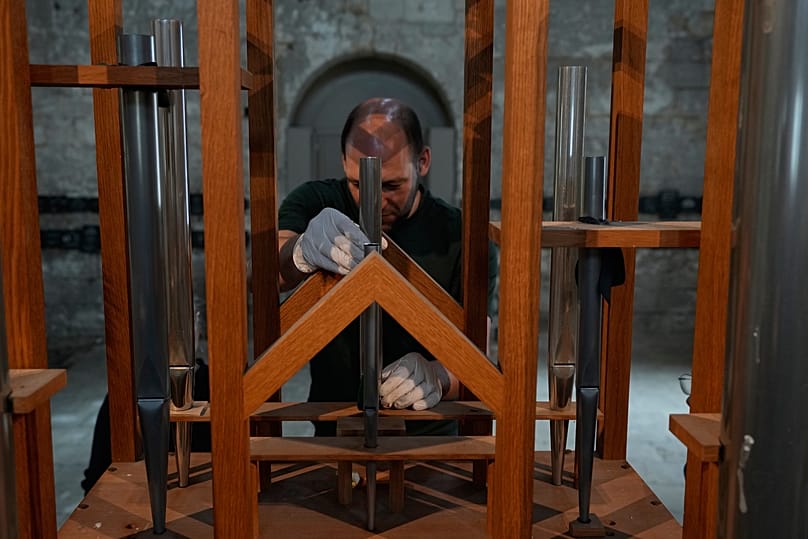
Mark your calendars: the next chord change is set to take place on 5 October 2027 with the release of the E4 sound – previously added on 5 September 2020.
In case you were struggling in the ideas department for a multi-generational gift, inheritable “final tickets” for the 4 September 2640 event are already being sold. They’ll set you back €2,640. But then again, your future family member will have bragging rights when it comes to being there on the final day (and note) of the longest composition the world has ever heard.