As I’ve said from the start, the Jan. 6 congressional committee investigating the lead up, events of, and immediate aftermath of former President Donald Trump’s attempted coup has two parallel goals: While the panel is fundamentally a fact-finding body, compiling evidence to, ideally, inform any potential criminal indictments to come, their work — especially the recent string of televised hearings — is also painstakingly designed to establish a compelling, easily understood narrative for the public. The aim is less to bombard viewers with shocking facts and smoking-gun revelations (although there have been a few of those, too) as it is to give a holistic sense of cohesion to a complex series of events we all watched, in bits and pieces, with our own eyes.
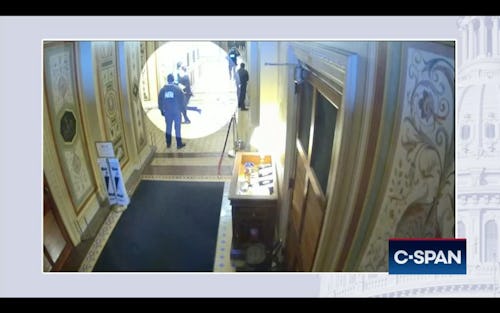
In what was initially to be the committee’s final public hearing (until co-chair Liz Cheney announced a new round of hearings, scheduled for sometime this September, during the opening moments of last night’s broadcast), investigators faced a unique challenge. With the broad goal of showcasing what Trump did — and more importantly didn’t — do during the insurrection itself, the committee’s focus necessarily expanded outward to highlight what was occurring elsewhere while the former president sat watching TV in his private dining room. The conceit, essentially, was “things were so bad at the Capitol that even the president’s own allies and enablers were scared for their lives — all while he himself did nothing to help them.” And to prove that point, the committee members simply let the president’s own allies’ words and actions do the heavy lifting for them.