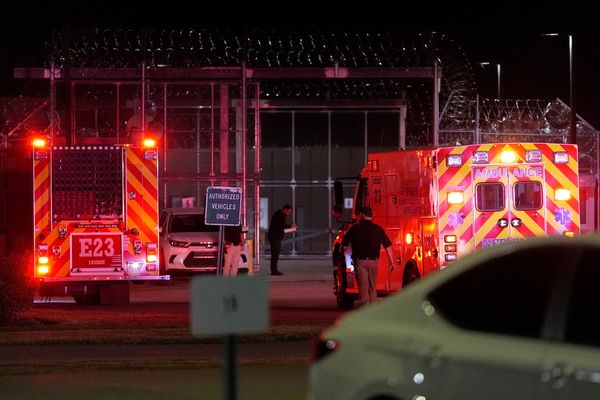
At 10.20pm on 22 January 2015, a black Mercedes C-Class collided with a heavyset, middle-aged man at the intersection of two busy roads in Walthamstow, northeast London. An ambulance took the man to the Royal London hospital where he later died from his injuries. In the following days, a cluster of brief news stories appeared across the local press detailing a tragic, if straightforward, accident. The driver had quickly been arrested and charged with suspicion of causing death by dangerous driving. As for the victim, officers from the Metropolitan police were satisfied he was a well-known local builder who had lived on nearby Chingford Road for the best part of two decades. This initial confidence was soon blunted. There was a problem: the man could not be formally identified.
The mystery deepened after a police search of the man’s address turned up nothing in the way of identifying documents or next-of-kin details. Residents remembered a courteous, private figure who rarely, if ever, spoke of his personal life. Some even recalled a name. Brian Wallace was a reliable handyman who spoke with a slight northern accent. He might have mentioned family in Sheffield, though no one was exactly sure. The phone he had been carrying on the night of the accident had only work numbers saved in the contacts. His flatmate was of little use. The two men had barely ever exchanged more than pleasantries, though there had been a vague reference to a sister in Neasden, a few miles across north London. As the weeks turned into months, even these faint leads drifted into silence. It began to appear that Brian Wallace – if that was the man’s name – had lived his life as a ghost.