Belgian superstar Remco Evenepoel is making the biggest move of the off-season with a multi-million Euro transfer from Soudal-QuickStep to Red Bull-Bora-Hansgrohe.
The Olympic champion is hoping to fulfil his dream of winning the Tour de France at the German team, who, from next year, will have a leader to head up their strong stage racing squad and compete for the yellow jersey for many Julys to come.

But what is life like at Red Bull-Bora-Hansgrohe and those other teams at the top of the sport? Few riders at the biggest teams in the world speak openly about the pressures and difficulties of racing at the very top level.
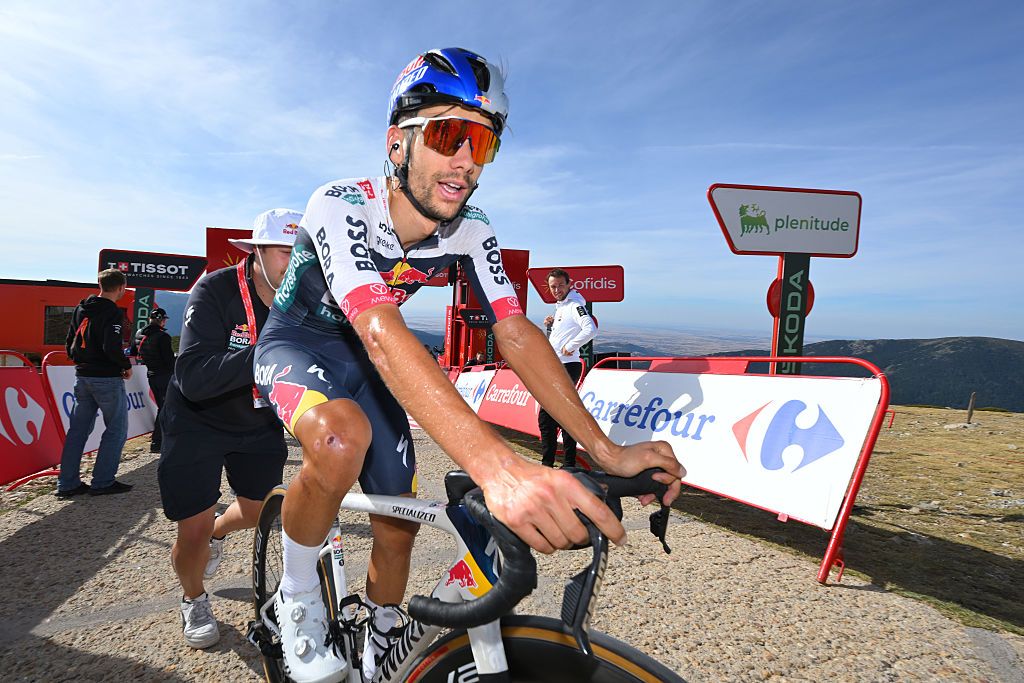
Matteo Sobrero, one of a handful of riders departing the team – for Lidl-Trek – this off-season, told Bici.Pro about the sacrifices, burnout risk, and "the human aspect [getting] lost a little bit" in the midst of the budget upgrades and the relentless striving for success.
"It must be said that I turned pro in 2020 and have already changed teams several times: the big difference I've noticed is that compared to other teams, even international ones, there's a more 'corporate' atmosphere here," Sobrero said of Red Bull-Bora-Hansgrohe.
"There's not the familiarity of the past: this change has been especially noticeable in this last year. Everyone has a specific area of expertise and gives their all in their own area.
"Personally, I've worked well with all of them, but that's how it is with top teams. The beauty of cycling is that big investments push everything and everyone to the top; the bad thing is that the human aspect gets lost a bit.
"Teams today number almost 200 people: there are people you see at the first training camp in October and then you don't see again for the rest of the year."
Sobrero said that the quest for endless improvements and those 'marginal gains' is struck through the top of the sport, far beyond Red Bull, even if other teams (Sobrero has previously raced with Dimension Data, Astana, and Jayco-AlUla) may have a more human touch.
"Honestly, and not that I'm criticising, it's nothing new: it's what happens in other top teams too. At least in the top ten teams in the world. I'd say it's more noticeable in cycling in general than just in Red Bull-Bora," Sobrero said.
"[Marginal gains] is the philosophy of cycling today: keeping up with the times, and in some cases, like the best teams, trying to be ahead of them. Red Bull has invested heavily in other sports and is now doing the same in cycling, focusing on those areas where it believes it can still improve."
Amid the pressure to keep improving, Sobrero has enjoyed success in recent years, including winning the closing time trial at the 2022 Giro d'Italia and, this year, taking third at the Tour de Pologne before aiding Jai Hindley to fourth overall at the Vuelta a España.
It can all take a toll, however, especially mentally, Sobrero said. The risk of burnout is real.
"Oh, it's a bit of a burden! There are riders who find it more difficult, and others who find it less difficult," he said.
"Although in some ways it's easier, because you don't have to think about anything, there are athletes who have been professional for 10 years, who've always done things one way and it worked out well for them: change isn't a given for them.
"In that case, you need the clarity to say, 'I'm doing this because it's an investment in myself.' It requires a lot of attention, and that's why people like a mental coach, who help to maintain balance, are needed.
"The general picture is as we've illustrated. Sacrifices are made to reach the limit, but the risk is of ending up in burnout. And it's an increasingly common problem: many young people then quit almost suddenly. It's up to the psychologist to prevent them from crossing that fine line between perfection and exhaustion."