Get all your news in one place.
100’s of premium titles.
One app.
Start reading
Times Pets
Times Pets
Anushka Tripathi

The Healing Power Of Pets: The Science Behind Pet Therapy And Mental Health

Pets have a way of touching our hearts in ways words often cannot. For centuries, humans have shared their lives with animals, finding comfort, companionship, and joy in their presence. Over the past few decades, science has begun to uncover the deep emotional and mental health benefits of interacting with pets. Pet therapy, also known as animal-assisted therapy, has become a recognized tool in improving mental health outcomes. It is not only about the love between humans and animals but also about measurable changes in emotional and psychological wellbeing.

Understanding Pet Therapy

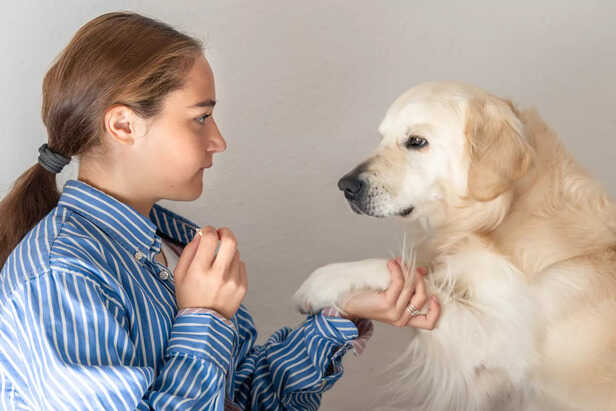
Pet therapy involves guided interactions between a person and a trained animal with the goal of improving physical, emotional, and mental health. These interactions can take place in hospitals, schools, nursing homes, and therapy centers. Dogs are the most common animals used in pet therapy, but cats, rabbits, horses, and even birds are sometimes included. Trained therapy animals can sense human emotions and respond in ways that bring comfort and calm. Pet therapy is not just about companionship. It is a scientifically supported approach to helping people manage stress, anxiety, depression, and even trauma.

The Science Behind Emotional Benefits

pet

Research has shown that interacting with pets triggers the release of hormones like oxytocin, which is often called the love hormone. Oxytocin helps reduce stress and promotes feelings of trust and bonding. Cortisol, the stress hormone, decreases when people spend time with animals. Heart rates and blood pressure often drop in the presence of pets, creating a sense of calm and emotional stability. These physiological changes translate into mental health benefits. People report feeling happier, more relaxed, and emotionally supported after interacting with therapy animals.

One of the most studied areas of pet therapy is its effect on anxiety. Individuals experiencing high levels of stress or social anxiety often find relief in the nonjudgmental presence of an animal. Therapy dogs visiting schools have been shown to reduce test anxiety in students. Adults in clinical settings often report lower stress levels when therapy animals are present during treatments or counseling sessions. Pets provide comfort without expecting anything in return. Their presence creates a safe space for people to feel calm, cared for, and understood.

Pets And Depression Relief

Depression is a complex condition that affects mood, energy, and social engagement. Pet therapy can offer significant relief by providing routine, physical touch, and social interaction. Caring for an animal encourages movement and responsibility. Simple acts such as feeding, grooming, or walking a pet create structure in daily life. The presence of a loving animal can make individuals feel needed and valued. Studies have shown that seniors in nursing homes with regular pet visits report higher levels of happiness and decreased feelings of isolation. The emotional connection to an animal can act as a powerful motivator to engage with life again.

Pets And PTSD Support

dog

Post-traumatic stress disorder is a condition that can leave individuals feeling unsafe and overwhelmed. Therapy animals, particularly dogs, have been used to support veterans, survivors of abuse, and first responders. These animals are trained to recognize signs of stress and provide comfort when a person experiences flashbacks or panic attacks. The bond formed between the animal and the individual becomes a source of emotional stability. Many people report that their therapy animal helps them feel grounded and present in the moment. Pets provide a nonjudgmental presence that allows individuals to process trauma safely and with support.

Social Connection And Loneliness

Humans are social beings, and loneliness can have serious mental and physical health consequences. Pets help bridge the gap by providing companionship and social engagement. Therapy animals can act as conversation starters and help people connect with others in social settings. For seniors and individuals living alone, pet therapy offers meaningful interactions and emotional support. The simple presence of an animal can alleviate feelings of isolation and foster a sense of belonging. Pets remind us that we are not alone and that unconditional love exists in our daily lives.

How Pet Therapy Works In Practice

Pet therapy sessions are carefully structured to ensure safety and effectiveness. Animals are trained to remain calm in various environments and to interact gently with people. Therapists or trained volunteers guide sessions to meet the specific emotional or psychological needs of participants. Activities may include petting, playing, walking, or simply sitting with the animal. The structured interactions are designed to maximize emotional benefits while keeping both humans and animals safe. These sessions often leave a lasting impression, creating memories of comfort and joy that participants carry beyond the therapy space.

Countless stories highlight the profound impact of pet therapy on mental health. A student struggling with anxiety finds confidence in the presence of a therapy dog before exams. A senior who rarely speaks begins opening up emotionally when a cat curls up on their lap. Veterans coping with trauma report that their service dogs help them navigate daily challenges with courage. Each story reinforces that the bond between humans and animals goes beyond affection. It is a source of healing, hope, and emotional resilience.

Choosing The Right Animal

Not every pet is suitable for therapy. Animals must have calm temperaments, gentle personalities, and the ability to handle different situations. Dogs, due to their social and responsive nature, are the most common, but other animals can also provide comfort. The choice of animal depends on the needs of the individual and the type of therapy being conducted. It is essential to match the animal’s temperament and training with the emotional requirements of the participant. When done thoughtfully, this match can create profound emotional benefits.

The Future Of Pet Therapy

The science behind pet therapy continues to grow. Researchers are exploring how different animals, environments, and interaction styles affect mental health outcomes. Technology is even being integrated, with robotic pets offering comfort to individuals unable to care for a live animal. Despite these innovations, the essence of pet therapy remains the human-animal bond. Emotional connection, trust, and unconditional love are at the heart of every successful therapy experience. As awareness grows, more individuals will have access to the profound mental health benefits that pets can provide.

Pet therapy is a testament to the healing power of animals in human lives. Scientific research confirms what humans have long known intuitively: pets bring joy, comfort, and emotional support. From reducing stress and anxiety to helping individuals cope with depression, PTSD, and loneliness, therapy animals create meaningful connections that improve mental health. These bonds are nurtured through care, trust, and shared moments of love. Whether through dogs, cats, or other animals, pet therapy reminds us that compassion, empathy, and connection are vital to our emotional wellbeing. Pets are not just companions; they are healers, teachers, and friends who enrich our mental and emotional lives every day.

Celebrate the bond with your pets, explore Health & Nutrition, discover Breeds, master Training Tips, Behavior Decoder, and set out on exciting Travel Tails with Times Pets!

Sign up to read this article
Read news from 100’s of titles, curated specifically for you.
Already a member? Sign in here
Related Stories
Top stories on inkl right now
One subscription that gives you access to news from hundreds of sites
Already a member? Sign in here
Our Picks
Fourteen days free
Download the app
One app. One membership.
100+ trusted global sources.