Clearing land is not just dirt and trees. It is pressure, deadlines, and the quiet stress of knowing one delay can mess up the entire plan. Anyone who has stood on a worksite at sunrise knows this feeling. The mix of hope and worry before the first machine even starts.
That feeling is exactly why land management has been changing so fast.
This blog talks about how mulcher technology stepped in, calmed the chaos, and quietly made life easier for the people doing the hard work.
Why Old Land Clearing Methods Stopped Making Sense
For a long time, land clearing meant multiple machines, long hours, and a lot of back and forth. One tool to cut. Another to move debris. Another to clean up what was left behind. It worked, but it was slow and exhausting.
Projects started growing bigger. Deadlines got tighter. Rules around land use became stricter. Suddenly, the old way felt heavy. Not broken, just tired. Crews needed something that could do more without turning the site into a mess.
What mulcher technology actually brings to the job
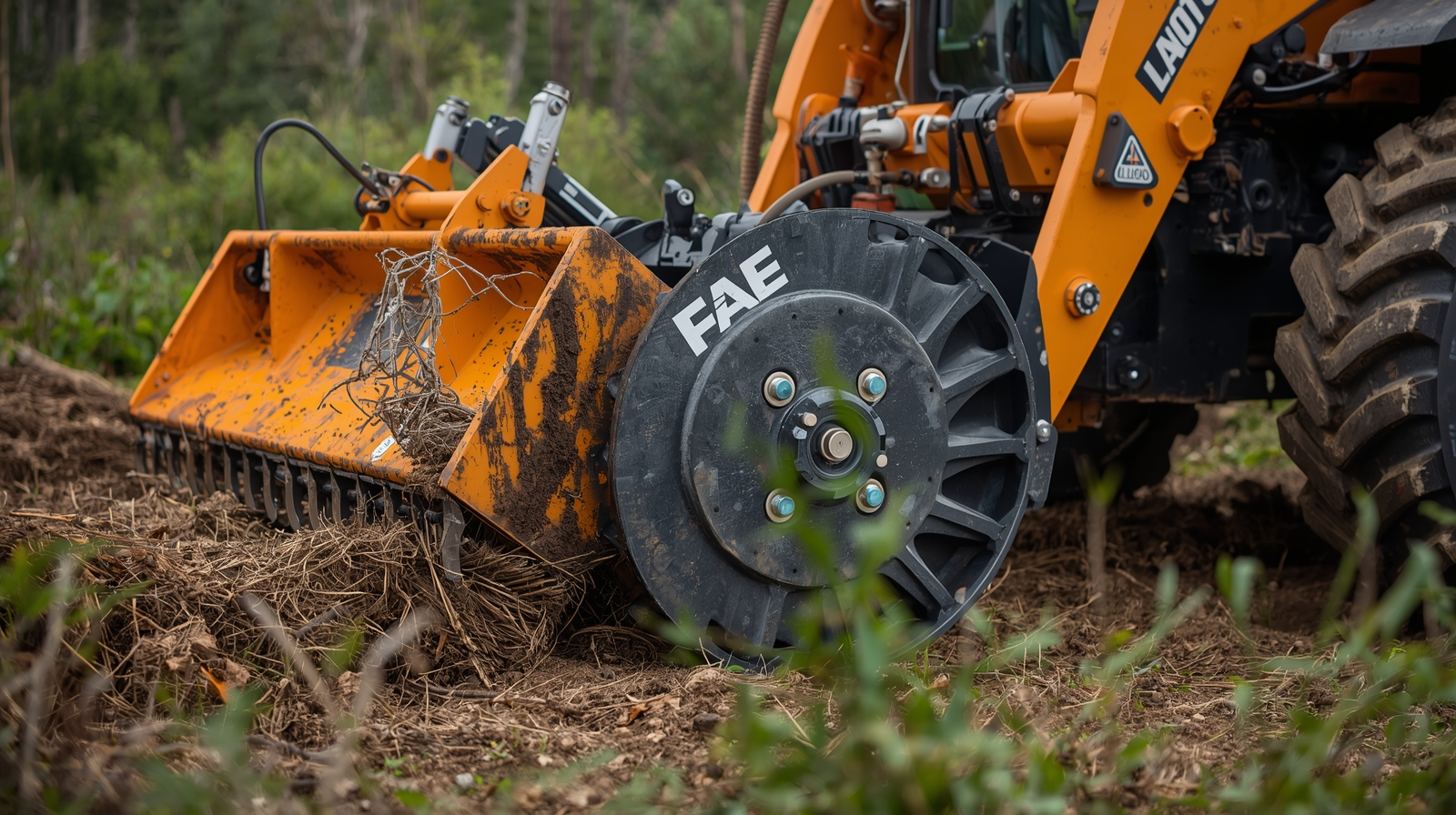
Mulchers changed the rhythm of land work. Instead of clearing, stopping, cleaning, and repeating, everything happens in one smooth flow. Trees, brush, and vegetation get processed right where they stand.
No hauling piles away. No waiting for the next machine to roll in. Just steady progress that feels almost calming to watch.
This is why more teams start looking into a FAE mulcher for sale after one tough project. Not because it looks impressive, but because it quietly shortens workdays and removes a lot of unnecessary stress from the job.
Speed That Does Not Feel Rushed
Faster work used to mean cutting corners. That is no longer the case. Modern mulchers clear ground quickly but with control. Operators can move through dense areas without turning the site into a safety risk.
This matters in real jobs. Road projects. Utility work. Agricultural land prep. When timelines matter, smooth speed beats rushed speed every single time.
The Environmental Side People Do Not Talk About Enough
One quiet benefit of mulching is what stays behind. Organic material gets returned to the ground instead of burned or hauled off. Soil stays protected. Erosion slows down.
It also keeps nearby areas calmer. Less noise. Less dust. Less disruption to the surrounding land. For crews working near farms or residential zones, that makes conversations with landowners a lot easier.
Safety Feels Different Now
Land clearing has never been gentle work. But mulchers reduce the need for people to be right up against unpredictable debris. Operators stay enclosed. Fewer workers are exposed to flying material or unstable ground.
It does not remove risk completely, nothing does. But it lowers that constant edge of worry that used to hang over every clearing job.
Where You See Mulchers Doing Their Thing Today
Mulcher technology shows up in more places than most people notice.
- Forestry maintenance and fire control
- Agricultural land preparation
- Roadside and railway clearing
- Utility line management
- Construction site prep
Once you spot one, you start noticing them everywhere.
Why Buyers Are Paying Attention Now
As projects get larger and labor gets harder to find, equipment decisions carry more weight. Buyers are not just asking what works. They are asking what lasts, what saves time, and what keeps crews sane.
That is where interest in a FAE mulcher for sale often starts. Not with specs or brochures, but with someone thinking, there has to be an easier way to do this job without burning everyone out.
Innovation Keeps Pushing Things Forward
Modern mulchers are built tougher, smarter, and more adaptable than early models. They handle rough terrain better. They pair cleanly with different carriers. Maintenance feels more manageable.
This steady improvement is why adoption keeps growing. The machines are not just powerful. They are practical. That matters more than people admit.
What This Shift Really Means on the Ground
All this tech talk sounds impressive, but the real change shows up in small moments. A crew wrapping up earlier than expected. A site that looks clean instead of chaotic. Fewer tense phone calls about delays.
Mulchers did not just change how land is cleared. They changed how the work feels.
Wrapping It Up
Land management will always be demanding. Weather shifts. Ground fights back. Plans change. That part never goes away. What has changed is how prepared teams feel walking into a job. Mulcher technology removed some of the panic, some of the mess, and a lot of the frustration.
Work moves smoother now. Days feel lighter. And honestly, that quiet relief is what keeps people coming back to this tech again and again.
______________________________________________________________________________