Introduction
Traditional models of dance education for many years were built on principles of strict discipline, rehearsals, and standardized methods. However, changes in the cultural and educational landscape have prompted schools and teachers to seek new approaches.
According to UNESCO data (2023), over the past ten years, more than 45% of dance schools worldwide have implemented innovative teaching methods focused on students’ personal development. Modern dance education increasingly goes beyond practicing movements and becomes a space for fostering creativity, emotional maturity, and teamwork skills.
Evolution of Pedagogical Approaches
From Repetition to Exploration
Classical dance pedagogy assumed repeated practice of combinations to achieve technical perfection. Today, the focus is shifting to the exploration of movements and creative self-expression.
A study by the European Dance Teachers Association (2022) showed that children’s participation in choreographic experiments increases engagement by 30% and improves performance results in competitions.
Emotional Intelligence and Creativity
21st-century dance schools teach not only movements but also the ability to convey emotions. Leading educators note that a child who can embody a character in dance adapts more quickly to the stage and gains more experience in teamwork.
The report of the American Dance Therapy Association (2023) emphasizes that developing emotional intelligence through dance reduces anxiety levels in adolescents by 25% and improves school performance indicators.
Inclusivity and Accessibility
Modern methods are oriented toward a wide audience: from preschool children to people with disabilities. Adaptive choreography programs are being developed, where the main focus is on participation rather than technical skill level.
Digitalization of Dance Education
The development of technology has significantly changed the learning process.
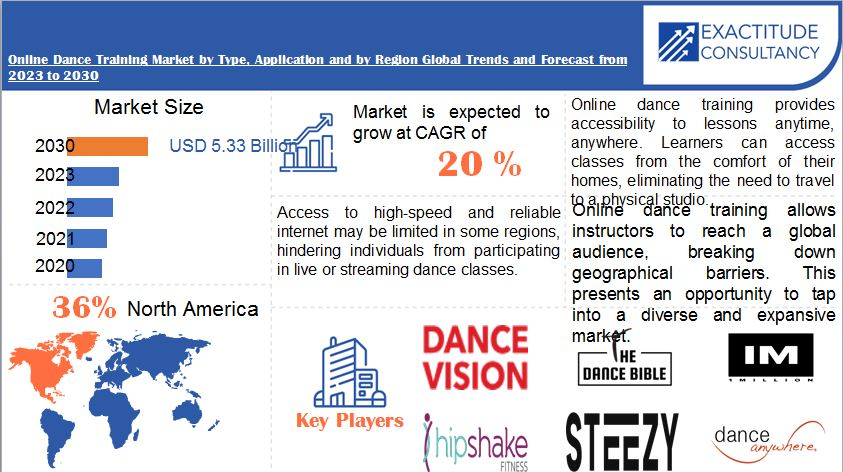
Online Platforms. According to Statista (2024), the number of users of online dance courses has increased by 70% over the past five years.
VR and AR Technologies. They allow simulating stage conditions and working with space even in a training studio.
Video Motion Analysis. Programs with artificial intelligence elements help correct students’ technique in real time.
These tools make learning flexible and personalized, as well as provide access to global pedagogical practices regardless of the student’s location.
Role of the New-Generation Teacher
A modern teacher in dance education is not only a choreographer but also a mentor, director, and producer. Their role goes beyond staging movements and includes:
- creating an educational environment where the student reveals creativity;
- integrating dramaturgy, acting skills, and scenography;
- using digital technologies for teaching and analysis.
Such a multifaceted role requires continuous professional development and readiness for interdisciplinary collaboration.
International Context
In the USA, performing arts schools are actively developing, where dance is studied alongside theater and music.
In Europe, the focus is on the festival movement, where not only technique but also artistic concept is evaluated.
In Asia, technologies are actively implemented: VR productions and integration of dance into super-applications for learning.
According to Deloitte (2024), the global market for educational programs in the field of dance is estimated at more than $18 billion, showing annual growth of 8–10%.
Challenges and Prospects
Despite positive changes, the industry faces a number of challenges:
- shortage of qualified teachers who master modern methods;
- competition with commercial entertainment formats, where educational value is minimal;
- limited access to new technologies in underfunded schools.
Development prospects are associated with the creation of international networked educational projects, collaboration between schools and festivals, as well as the integration of artificial intelligence technologies into educational processes.
Conclusion
The future of dance education is determined by the transition from disciplinary methods to flexible, interdisciplinary, and emotionally oriented practices. The development of digital technologies opens new horizons for learning and expands access to education.
Dance schools are becoming spaces for cultivating not only professional dancers but also individuals capable of creative thinking and social responsibility. This confirms that in the 21st century, dance education plays a strategic role in the cultural and social transformation of society.
Sources
- UNESCO. Global Dance Education Report. (2023).
- European Dance Teachers Association. Innovative Pedagogies in Dance. (2022).
- American Dance Therapy Association. Dance and Emotional Intelligence. (2023).
- Deloitte. Performing Arts Education Outlook. (2024).
- Statista. Online Dance Education Market Growth. (2024).