The European Union claims that "the fundamental right to freedom of expression" only applies to journalists "acting in good faith," and that authorities do not have to give due process before freezing people's bank accounts, as these sanctions are "temporary and are not criminal in nature," according to a legal letter shared by a sanctioned journalist.
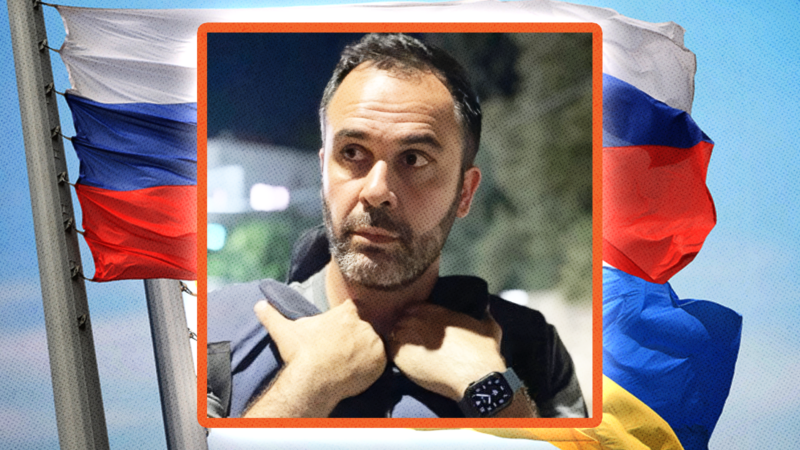
Last year, the European Union blacklisted 21 people for allegedly spreading Russian propaganda, banning them from doing business in Europe. One of them, Hüseyin Doğru, was falsely listed as a Turkish citizen living in Istanbul. In fact, Doğru is a German journalist in Berlin, making him the first European citizen on European soil to be sanctioned this way.