Get all your news in one place.
100’s of premium titles.
One app.
Start reading
Saving Advice
Saving Advice
Drew Blankenship

The End of Free Checking? Why These 2 National Banks Just Hiked Monthly Maintenance Fees

checking account fees
Image Source: Shutterstock

Every month, people are surprised by monthly fees hitting their accounts. You may have forgotten to cancel that free subscription, or you see a small fee go through that you don’t recognize and don’t think twice about it. However, major banks in the United States have started to raise monthly maintenance fees or (at the very least) made them harder to avoid. But consumers are noticing the changes, which can add up to hundreds of dollars a year. And in this economy, that can make a huge difference.

Here are two major national banks that are implementing steeper charges, and where you might be able to turn for more affordable banking.

Why Checking Account Fees Are Rising Across the Board

So why are banks suddenly bringing back or increasing checking account fees? One big reason is lost revenue from overdraft fees, which regulators have been cracking down on in recent years.

Banks are also dealing with higher operating costs and lower profit margins on traditional services. At the same time, fewer people are using checking accounts the way they used to, thanks to digital payments. To make up the difference, banks are leaning more heavily on maintenance fees.

1. Wells Fargo Quietly Raised Fees and Tightened Rules

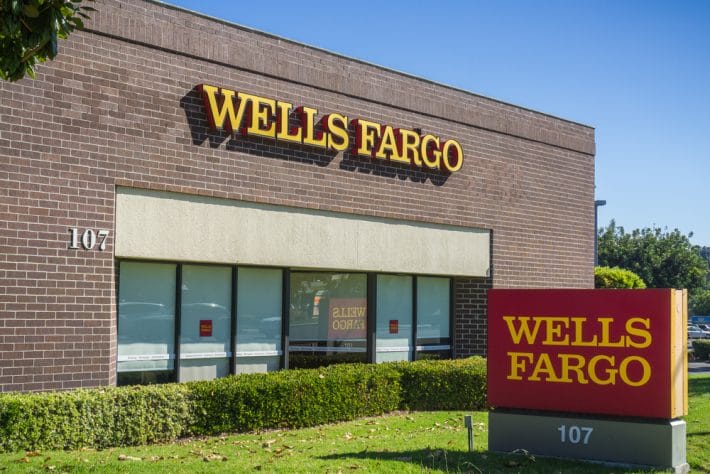
One of the clearest examples of rising checking account fees comes from Wells Fargo. The bank increased its Everyday Checking monthly fee from $10 to $15, a 50% jump that caught many customers off guard.

At the same time, it raised the minimum balance required to avoid the fee from $500 to $1,500. That means more customers will end up paying simply because they don’t meet stricter requirements. While there are still ways to waive the fee, they now require more effort or higher balances.

2. Chase Is Increasing Fees For Business Bank Accounts

Chase customers are also seeing changes, particularly in business banking. The bank raised its Performance Business Checking fee from $30 to $40 per month starting in 2026.

To avoid the fee, customers now need to maintain a steep $35,000 daily balance. Even standard checking accounts still carry fees of around $15 unless certain conditions are met. For small business owners and freelancers, this creates added financial pressure.

U.S. Bank and Others Are Holding the Line, But Fees Still Exist

U.S. Bank hasn’t made headlines for a massive increase, but its fees remain firmly in place. Its standard checking account carries a $12 monthly maintenance fee unless you meet requirements like direct deposit or maintaining a minimum balance.

These conditions may seem simple, but they don’t work for everyone, especially retirees or gig workers. Many customers assume their account is free, only to realize later they’ve been charged.

Across large banks, average monthly checking account fees now hover around $13 to $16. That adds up to over $150 per year just to keep your account open.

How to Avoid Paying These Fees (Even Now)

You don’t just have to accept these charges. Many banks still waive checking account fees if you meet certain conditions, such as setting up direct deposit or maintaining a minimum balance. However, those requirements are getting stricter, so you need to stay informed. Make sure you are paying attention to any notices from your bank and always read the fine print when it comes to your finances.

Another option is switching to online banks or fintech companies that offer truly no-fee accounts. Some of these institutions charge zero monthly fees and don’t require minimum balances at all. It could wind up saving you hundreds of dollars over the course of a year.

The Bigger Shift: Free Checking Is Becoming Rare

The reality is that free checking isn’t disappearing entirely, but it is becoming harder to find. Only about one-third of checking accounts at large banks are truly fee-free today. That’s a major shift from a decade ago, when free checking was widely used as a customer perk. Now, banks are prioritizing profitability over convenience.

Ultimately, the key to avoiding paying a boatload for your checking account is to be aware. Make sure you are reviewing your accounts on a regular basis, and don’t be afraid to switch if the terms don’t work for you. There are still plenty of cheaper (or even no-cost) options available out there. You just have to go looking for them.

Have you noticed new or higher checking account fees at your bank, and are you planning to switch or stick it out?

What to Read Next

A Bank Teller Told Me This Rule — Never Keep More Than $3K in Your Checking Account

Banks Are Raising Minimum Balance Requirements on Checking Accounts

Banks Are Removing “Free Checking” Perks Without Warning

Locked Out of Your Own Life: What Happens When Your Bank Decides You’re No Longer Competent?

Repeat Offenders: 5 Banks Shaken by Constant Scandal

Sign up to read this article
Read news from 100’s of titles, curated specifically for you.
Already a member? Sign in here
Related Stories
Top stories on inkl right now
One subscription that gives you access to news from hundreds of sites
Already a member? Sign in here
Our Picks
Fourteen days free
Download the app
One app. One membership.
100+ trusted global sources.