It’s a demonstration of the merciless nature of Formula 1 that Williams, statistically one of the most successful teams of all time in terms of championships won, has been bumping along the bottom for more than two decades and narrowly avoided financial extinction at the turn of the decade.
Williams last claimed the drivers’ and constructors’ championships in 1997 and ceased to be in the mix for regular grand prix victories in 2004. It last won a race in 2012, a thrilling outlier for Pastor Maldonado in Spain.
The team’s reliance on drivers who brought a budget rather than great talent was characteristic of its decline, and Williams became a relic of the era when teams were owned and run by the individuals whose name was above the factory door. It nearly followed the likes of Tyrrell and Colin Chapman’s Lotus into oblivion.
There have been more mis-steps under the ownership of the Dorilton Capital investment fund but, since the appointment of former Mercedes strategist James Vowles as team principal, the direction of travel (to employ a frequently used Vowles-ism) has been towards improvement. The team finished fifth in the constructors’ championship last season, its highest since 2017.
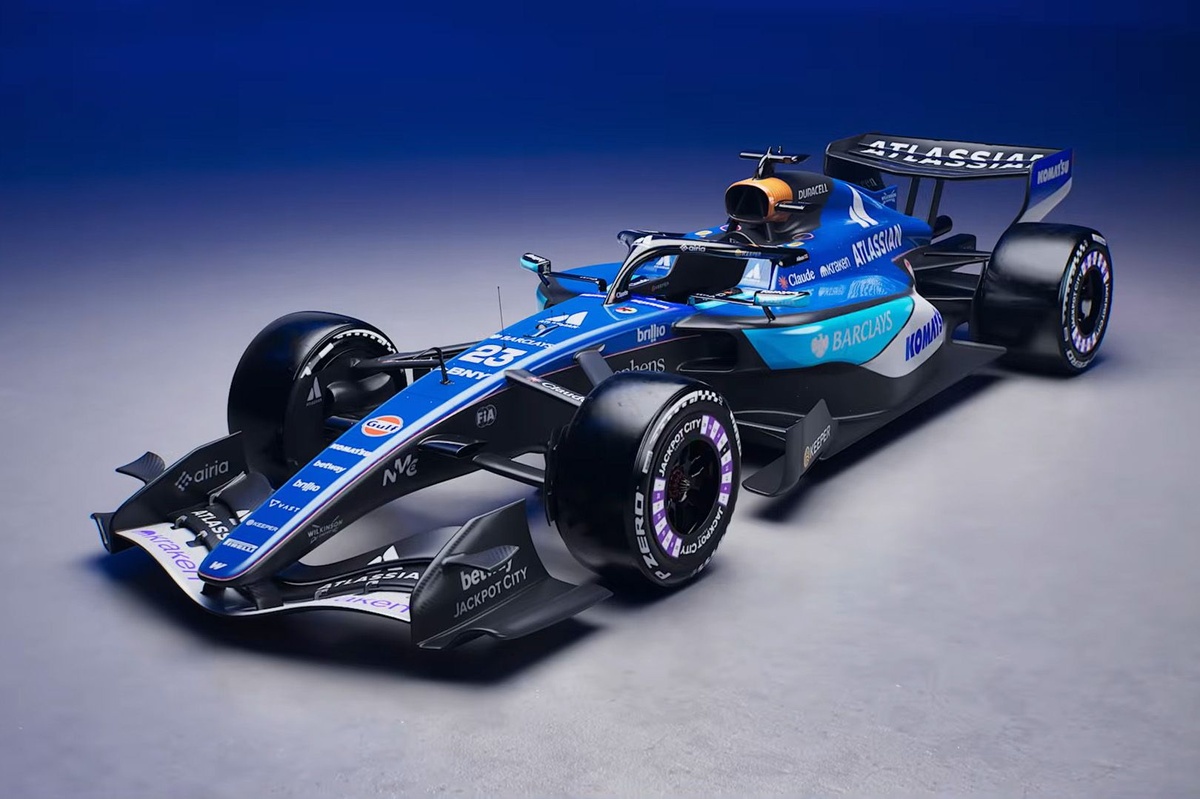
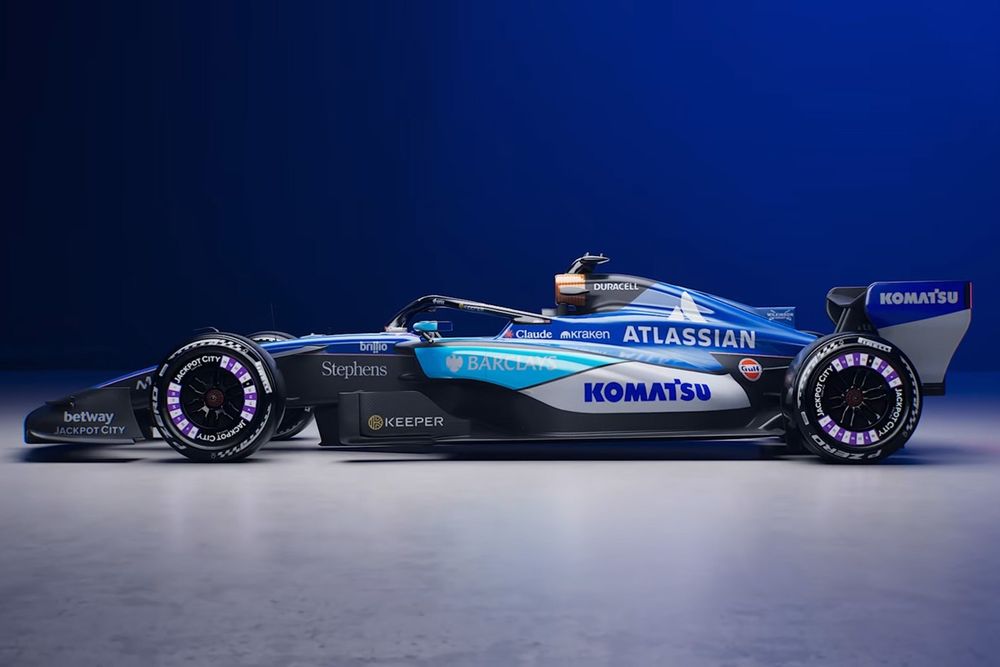
As Williams holds its necessarily low-key 2026 season launch on Tuesday, having missed last week’s shakedown in Barcelona, let’s look at its prospects for the season to come.
What’s new at Williams?
In terms of frontline personnel, Williams enjoys continuity in terms of its technical team, which is maturing after a recruitment drive in 2023-24. The FW48 will be the first Williams with ex-Alpine technical director Matt Harman fulfilling that role after his promotion from design director last year, but the main focus since that influx of new staff has been to bring the factory’s antediluvian facilities up to modern standards after years of underinvestment.
During a visit to the team’s Grove home in early January, Autosport saw a great deal of new machinery, particularly in the area devoted to rapid prototyping. The team has also been overhauling its production and quality-control systems.
What’s the biggest challenge to Williams?
Having to cancel its presence at the Barcelona shakedown week was both an embarrassment and a setback for the team. Last year, it made a point of being the first to take to the track with its new car, the purpose being to signal a clean break with the issues of its recent past.
It’s understood that while the monocoque had passed its mandatory crash tests, the nose cone did not. This has prompted a wave of speculation that the FW48 is overweight – particularly in the areas that then had to be strengthened to pass the crash tests. Vowles was noticeably evasive on that subject in an online interview last week.
The fact is that it is extremely difficult to engineer a modern F1 car to the minimum weight limit, as evinced by that figure only being reduced by 30kg this season despite the cars and their wheels being narrower.
Missing the shakedown means it will have to spend time in the Bahrain tests previously earmarked for performance work on running through basic operational checks that rivals will have completed in Barcelona. Obviously, there were varying degrees of success in that regard; while both Mercedes drivers completed race simulations as well as plenty of laps, others such as Audi and Cadillac had a more fraught time.
What’s the strongest asset for Williams?
When the hybrid engine formula was first introduced in 2014, Williams enjoyed a brief resurgence by dint of having the Mercedes power unit – by far the most competitive. That advantage faded with convergence and as others shifted to Mercedes power.
Though it’s unlikely Mercedes will enjoy an advantage of similar magnitude under the latest set of engine regulations, well-placed rumours over several months have suggested the new Mercedes power unit is very strong. In theory, its reliable showing through the Barcelona shakedown mitigates some of the disadvantage Williams faces, having missed that track time – but running a power unit in a car designed hand-in-glove with the chassis is a different matter from running as an engine customer.
What Williams certainly enjoys is a highly competitive driver line-up. Carlos Sainz is smart, fast, and a proven GP winner, while Alex Albon has shown similar levels of pace.
What’s the goal in F1 2026 for Williams?
Much as it would love for this to be another 1992, when it turned up with a car more than a second a lap faster than its competitors, Williams knows it’s starting this season on the back foot already. What it doesn’t need is for the delay in car completion to compound into lack of running during the tests.
Hitting the ground running in Bahrain would be its ideal scenario in the short term; in the further future, being in the mix for regular points to build on last season’s fifth place would be a bonus.