Get all your news in one place.
100's of premium titles.
One app.
Start reading
The Economic Times
The Economic Times
Piyush Shukla

The Arctic is sitting on a 63-billion-ton carbon secret, and scientists are concerned

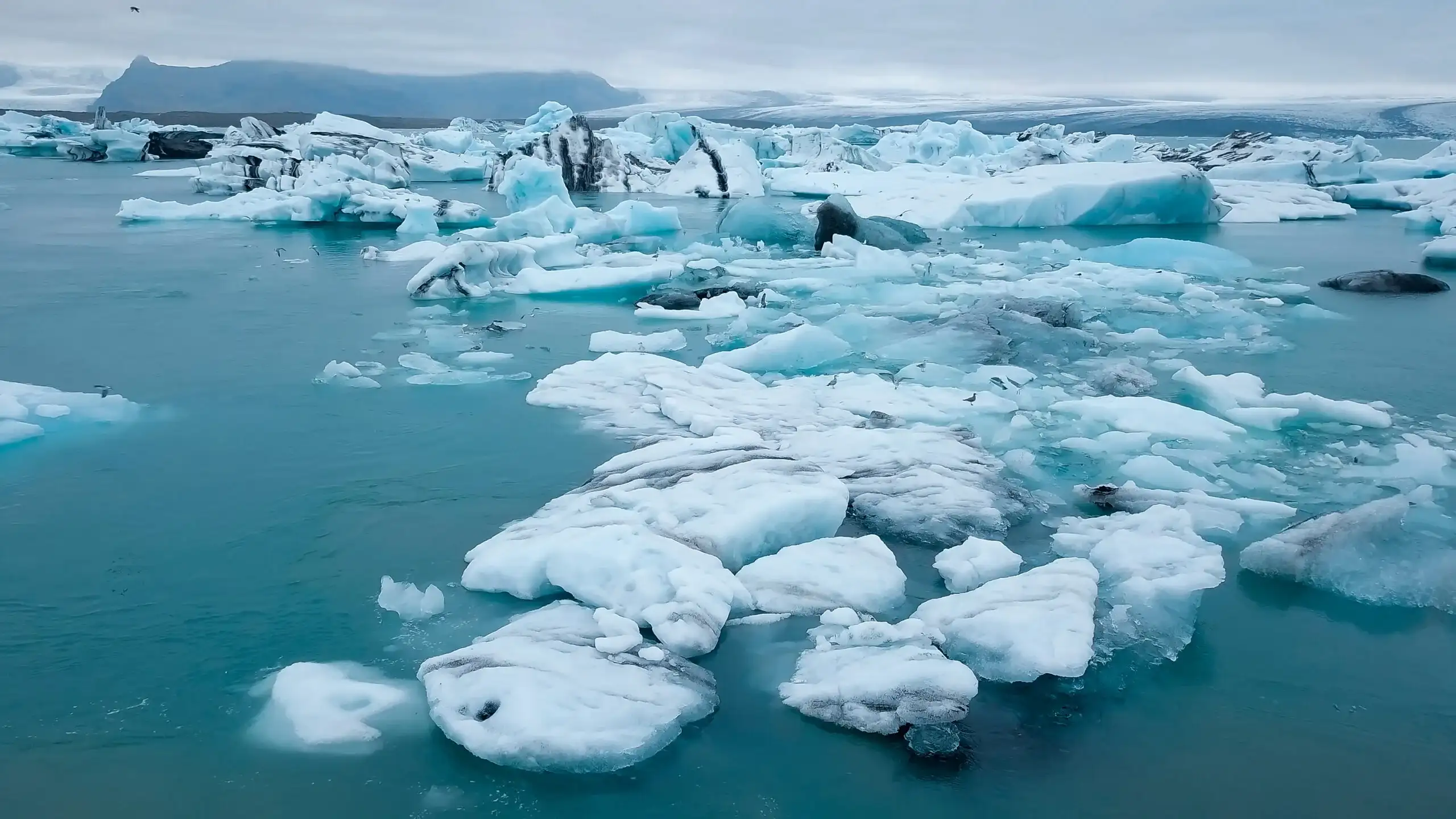
The Arctic climate time bomb is becoming one of the most important climate warnings of our time. Scientists have discovered that Arctic river deltas may contain about 63.4 billion tons of carbon locked inside frozen soils. The finding changes how researchers view the hidden risks beneath Earth’s northern ice.

For thousands of years, Arctic permafrost acted like a natural freezer. It preserved ancient plant material that never fully decomposed. However, rising temperatures are slowly weakening this frozen storage system. Once the ground warms, microbes can break down the trapped material and release greenhouse gases.

The new research suggests these Arctic landscapes are far more sensitive than previously believed. The carbon reserve sits across nearly 39,000 square miles of Arctic river delta regions. This area represents only a small part of global permafrost, yet it holds a surprisingly large amount of stored carbon. The concern is not that all carbon will escape immediately. Instead, scientists fear a gradual chain reaction. Warmer conditions could accelerate thawing, creating more carbon emissions and adding pressure to an already warming planet.

Why are Arctic river deltas becoming a climate warning zone?

Arctic river deltas are complex environments where rivers, oceans, ice, and frozen soils interact. These areas collect sediments and organic material over thousands of years. Because of the cold conditions, much of this material remained preserved instead of breaking down.

Researchers studied more than 1,600 soil samples from 17 Arctic deltas. The work included major regions such as the Lena River system in Siberia and the Mackenzie River delta in Canada. Earlier studies often focused on larger locations, leaving many smaller deltas less understood.

The new assessment found around 4.2 billion tons of nitrogen stored with the carbon. This matters because nitrogen influences how plants, microbes, and ecosystems function. When frozen soils thaw, the release of nitrogen can also change natural processes.

The Arctic climate time bomb is especially concerning because multiple pressures are happening together. Sea ice is shrinking, ocean levels are rising, and warmer water is reaching coastal areas. At the same time, the thawing season is lasting longer each year.

How much carbon is hidden beneath the frozen Arctic?

The size of this carbon reserve is what makes the discovery important. Arctic delta regions cover only about 1% of global permafrost surfaces. Yet they may contain roughly 5% of all carbon stored in permafrost soils.

That concentration makes these landscapes a climate hotspot. The carbon stored there is ancient organic matter from plants and organisms that accumulated over long periods. Freezing conditions acted as a natural barrier against decomposition.

When temperatures rise, that barrier weakens. Microbes become active again and begin consuming the old organic material. Their activity produces carbon dioxide and methane, two gases that contribute significantly to global warming. The Arctic climate time bomb does not mean an instant release of the entire reserve. Nature works through slower processes. Some carbon may remain trapped, while some may move into rivers, oceans, or the atmosphere.

Still, the scale is difficult to ignore. Human activities currently add billions of tons of carbon to the atmosphere every year. The Arctic delta reserve represents a much larger hidden store that could influence future climate patterns.

Could thawing permafrost change the future of climate change?

The future of Arctic permafrost depends on how quickly temperatures continue rising. Scientists are studying areas where thawing ground meets rivers, lakes, and oceans. These transition zones may reveal how quickly stored carbon can enter the environment.

Recent research on Arctic coastal lagoons has shown that newly formed water systems created by melting permafrost can behave differently from older environments. Some younger areas may produce higher greenhouse gas emissions. However, every Arctic region will not respond in the same way. Local conditions, water movement, soil composition, and vegetation all affect the outcome. The challenge is understanding where the biggest changes are likely to happen.

The Arctic climate time bomb is a reminder that climate change is not only about visible disasters. It is also about slow transformations happening beneath landscapes that appear untouched.

The new findings give researchers a stronger foundation for future studies. They can improve climate models and identify areas needing closer observation. Understanding these hidden carbon reserves may help the world prepare for possible changes ahead.

The frozen Arctic has stored Earth’s history for thousands of years. Now, that same frozen ground may become part of the planet’s future climate story.

FAQs:

Q1. What is the Arctic climate time bomb linked to 63.4 billion tons of carbon?

The Arctic climate time bomb refers to the huge carbon reserve trapped inside frozen permafrost soils across Arctic river deltas. Scientists estimate these regions store about 63.4 billion tons of carbon, which could enter the atmosphere if warming accelerates thawing and microbial activity.

Q2. Why is thawing Arctic permafrost a major climate change threat?

Thawing Arctic permafrost exposes ancient organic material that has remained frozen for thousands of years. As microbes break it down, they can release carbon dioxide and methane, increasing greenhouse gas levels and potentially speeding up global warming.

Sign up to read this article
Read news from 100's of titles, curated specifically for you.
Already a member? Sign in here
Related Stories
Top stories on inkl right now
One subscription that gives you access to news from hundreds of sites
Already a member? Sign in here
Our Picks
Fourteen days free
Download the app
One app. One membership.
100+ trusted global sources.