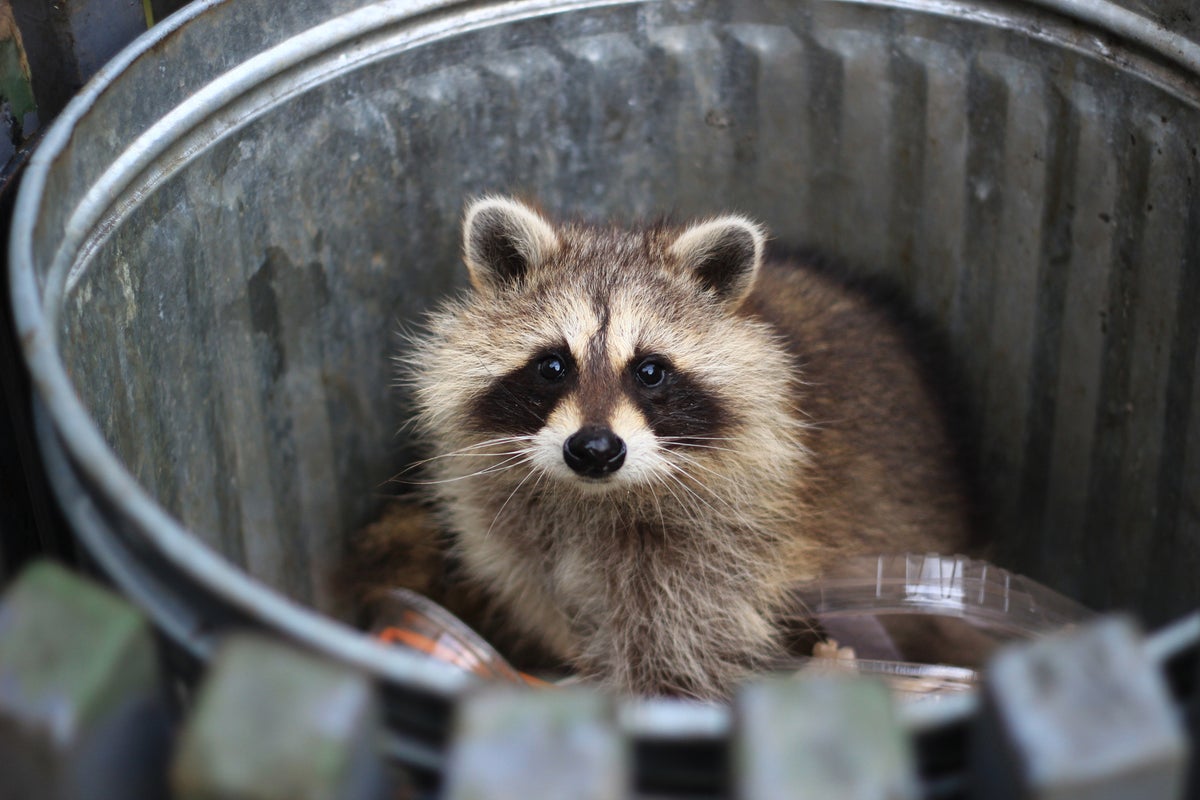
Raccoons are such curious creatures that they have been shown to solve puzzles even without expecting any treats at the end, according to a new study that may help better explain their behaviour in cities.
Often thought to be opportunistic scavengers, they are capable of dumpsters and compost bins, even those with relatively secure latches.
But a new study suggests raccoons may be genuinely curious, and not just hungry, while foraging.
Researchers from the University of British Columbia found that raccoons continue solving puzzles long after retrieving the only food reward available.
The finding suggests a more intrinsic motivation beyond hunger is driving their behaviour.
In the study, scientists made a custom multi-access puzzle box with nine entry points, grouped as easy, medium and hard.
The box contained a single marshmallow with mechanisms such as latches, sliding doors or knobs.
In each 20-minute trial, raccoons often continued opening new mechanisms after eating the marshmallow, a clear sign of information-seeking.
"We weren't expecting them to open all three solutions in a single trial. They kept problem-solving even when there was no marshmallow at the end,” said Hannah Griebling, an author of the study published in the journal Animal Behaviour.
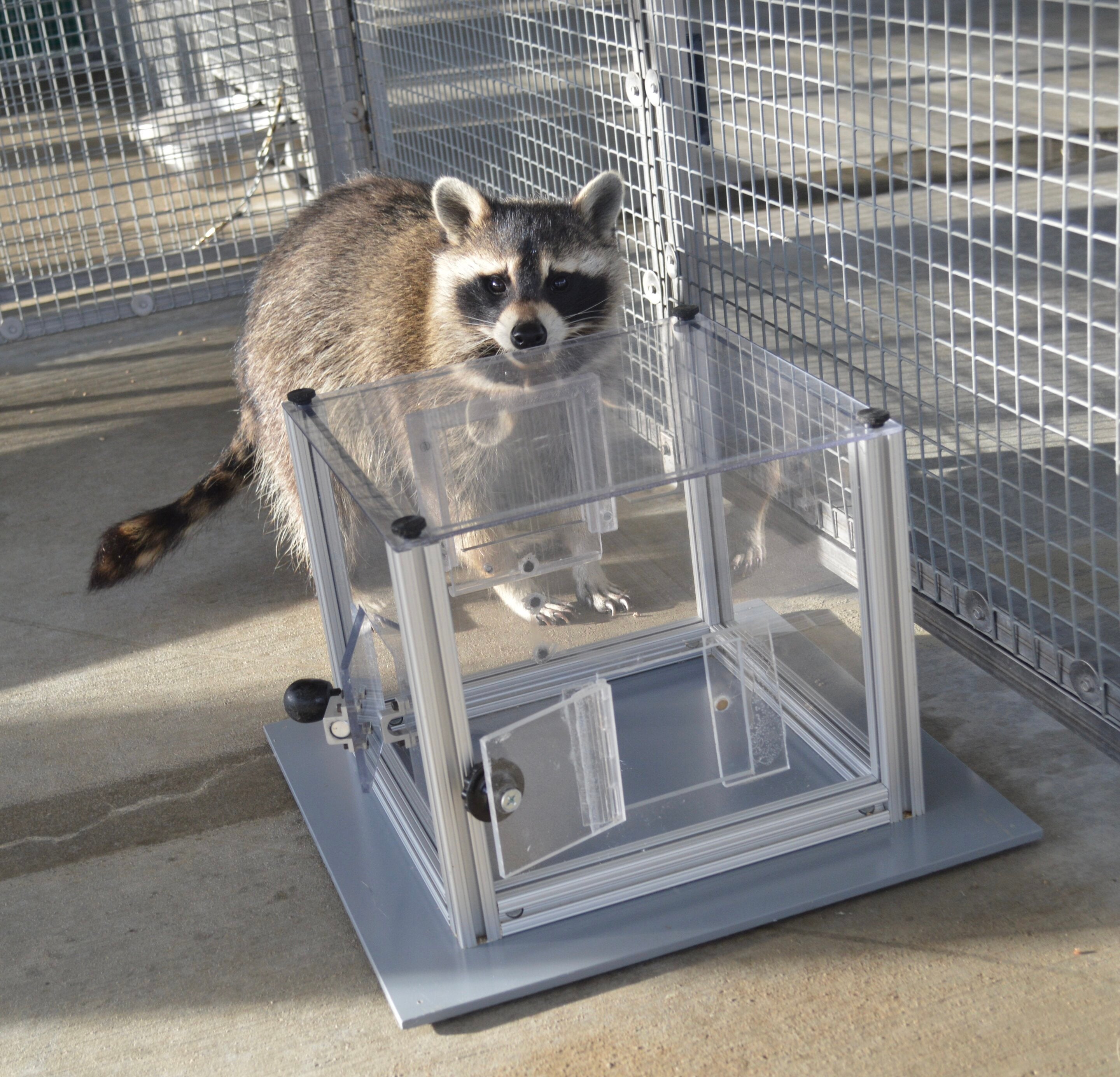
Even when they cracked the puzzles easily, raccoons appeared to explore the box broadly, trying multiple openings and varying their order.
When the task difficulty increased, they seemed to favour a dependable solution, but still explored multiple routes.
It suggests raccoons could be adjusting their exploration strategy based on the perceived cost and risk, mirroring decision-making frameworks in other animals and humans.
"It's a pattern familiar to anyone ordering at a restaurant... Do you order your favourite dish or try something new? If the risk is high – an expensive meal you might not like – you choose the safe option,” Dr Griebling explained.
“Raccoons explore when the cost is low and quickly decide to play it safe when the stakes are higher,” she said.
By solving problems for information, and not just food, they have an advantage in complex environments, helping them access garbage bins or other food sources.
This could be why raccoons thrive in cities, researchers say.
Their forepaws are also rich with sensory nerves, aiding them in foraging as they manipulate latches and handles.
"Understanding the cognitive traits that help raccoons thrive can guide management of species that struggle, and inform strategies for other species, like bears, that use problem-solving to access human-made resources," said Dr Griebling.
"Raccoon intelligence has long featured in folklore, yet scientific research on their cognition remains limited. Studies like this provide empirical evidence to support that reputation," said Sarah Benson-Amram, another author of the study.
Mom, 38, undergoes multiple surgeries after being savagely mauled by unknown animal
AI is giving teenagers bad nutrition advice
Scientists have discovered a way to make french fries healthier
What15,0000-year-old jewellery found in a cave tells us about prehistoric life
Nasa Moon mission breaks deep space distance record set 56 years ago
Roman sanctuary unearthed beneath Frankfurt may have a dark past