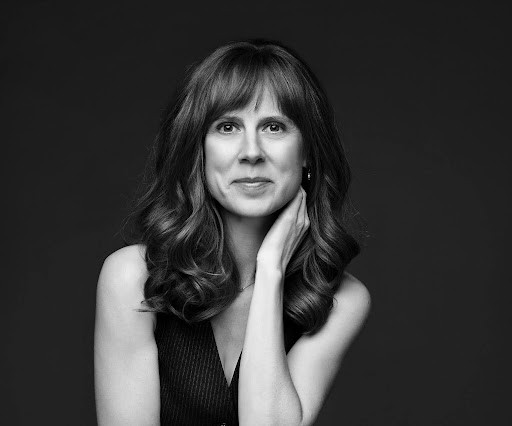
Artificial intelligence has become one of the most polarizing subjects of recent times. The public conversation often swings between extremes: AI as a miracle or AI as a menace, a revolution or a threat, something that will transform society for the better or erode everything we value. But as Dr. Rachel Wood, a cyberpsychology researcher, advisor, speaker, and therapist, notes, "This binary framing already places us on unstable ground. It's not helpful to be alarmist or evangelical. We have to get comfortable with tension and uncertainty if we are going to move forward responsibly."
According to Dr. Wood, that uncertainty becomes even more consequential when the lens is shifted from the technology itself to its psychological impact. "AI is no longer just embedded in our workflows," she states. "It is woven into our emotional lives, our decision-making, and our most intimate spaces." Dr. Wood has spent years studying how technology influences human connection. What concerns her most is not whether AI is good or bad, but what happens when people treat it as one or the other. "If we ignore the nuance, we risk overlooking the real mental and relational consequences," she says.