
Get all your news in one place.
100's of premium titles.
One app.
Start reading
The Guardian - UK
The Guardian - UK
Science
Ian Sample, science correspondent

The 10 greatest discoveries of zoology

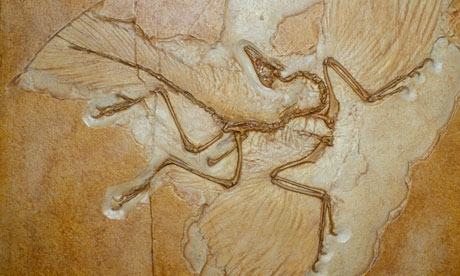
Archaeopteryx fossil
Archaeopteryx shares some features with ancient reptiles and others with modern birds. Photograph: Jason Edwards/Getty Images/National Geographic RF

Mid-way through the 4th century BC the Greek philosopher Aristotle turned his great mind to the wildlife around him and documented the behaviour and characteristics of hundreds of species in nine books that together became The History of Animals.

The work is impressive for its sheer scope and ambition. In 130,000 words, the author divides and categorises animal life every which way: by basic physiology and anatomy; by habitat and mode of movement; by how and what these creatures ate. Humans are not excluded from examination, but are woven throughout the text, giving Aristotle the opportunity to compare and contrast the essence of other species with that of our own.

Sign up to read this article
Read news from 100's of titles, curated specifically for you.
Already a member? Sign in here
Related Stories
Top stories on inkl right now
One subscription that gives you access to news from hundreds of sites
Already a member? Sign in here
Our Picks
Fourteen days free
Download the app
One app. One membership.
100+ trusted global sources.







