Get all your news in one place.
100's of premium titles.
One app.
Start reading
The Economic Times
The Economic Times
Team Global

That third brake light above your rear window isn’t styling; NHTSA says the high-mounted lamp cuts rear-end crashes 4.3 percent and saves $655 million in property damage a year

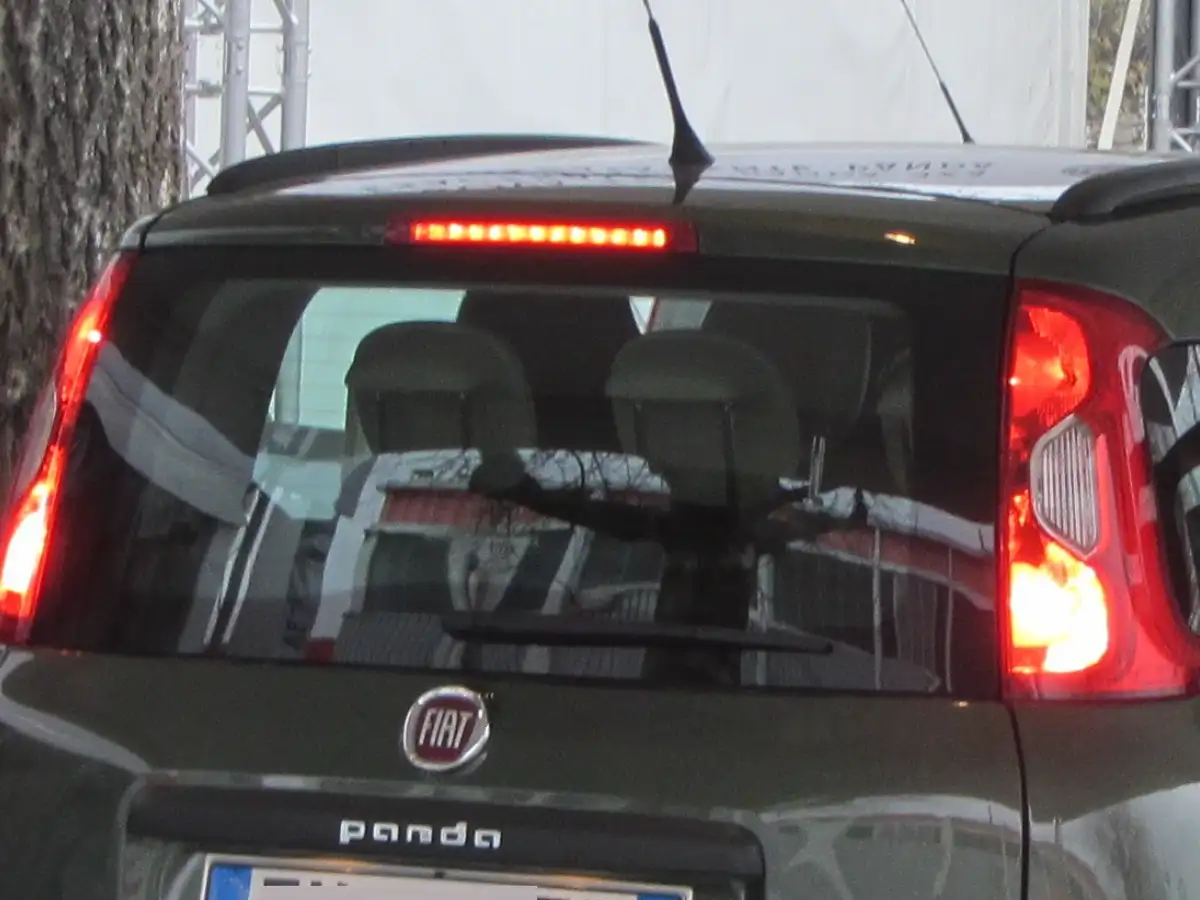
We all tend to walk around our own cars several times each week without even taking a look at the little red lamp sitting above the rear windshield. It is simply another feature positioned near the boot and rear glass. However, a National Highway Traffic Safety Administration report tracking the device over several years found that this small lamp reduced rear-impact crashes.

The lamp is officially known in the United States as the Center High Mounted Stop Lamp, or CHMSL. It became standard equipment on all new passenger cars sold in the US from model year 1986 and on all new light trucks from model year 1994, under Federal Motor Vehicle Safety Standard 108. Its purpose is straightforward: when the brakes are applied, the centrally positioned lamp gives following drivers another brake signal, positioned higher than the conventional rear lamps.
Why does a little light make such a great difference?

NHTSA evaluated CHMSL using police-reported crash data from eight US states and tracked its effectiveness from 1986 through 1995. The agency found that the lamps reduced rear-impact crashes by 8.5% in 1987, when their use was still relatively new. Their effectiveness declined during the following years and then levelled off. Between 1989 and 1995, CHMSL reduced rear-impact crashes by an average of 4.3%, which NHTSA identified as the lamps' long-term effectiveness.

The difference between the early and long-term figures is important. The report does not simply treat the 8.5% figure as representative of the device's permanent effect. Instead, its year-by-year analysis found that effectiveness dropped after 1987 and stabilised at a lower level. The 4.3% figure therefore became the basis for NHTSA's long-term benefit estimates.

At that long-term effectiveness level, NHTSA estimated that if all cars and light trucks on US roads were equipped with CHMSL, the lamps could prevent an estimated 92,000 to 137,000 police-reported crashes and 58,000 to 70,000 nonfatal injuries each year. The agency also estimated $655 million in annual property-damage and associated costs avoided, expressed in 1994 dollars.

The figures are historical estimates rather than today's savings. NHTSA's report also estimated that CHMSL cost consumers about $13.60 per vehicle in 1994 dollars, with the annual cost of the lamps in cars and light trucks sold in the US estimated at about $206 million. Because the estimated property-damage savings alone exceeded the installation cost, NHTSA concluded that the lamps were highly cost-effective safety devices.

Sign up to read this article
Read news from 100's of titles, curated specifically for you.
Already a member? Sign in here
Related Stories
Top stories on inkl right now
One subscription that gives you access to news from hundreds of sites
Already a member? Sign in here
Our Picks
Fourteen days free
Download the app
One app. One membership.
100+ trusted global sources.