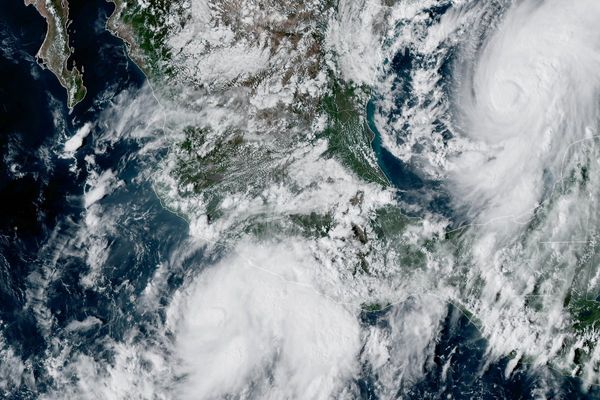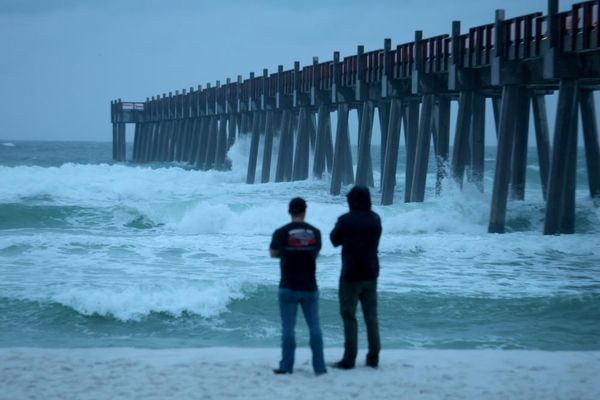

Month after month, the weather reports in Texas this year have been harrowing — deadly heat waves across the state, record-breaking wildfires in the panhandle that burned a million acres of grasslands, a hurricane that killed 26 people and left thousands without electricity, a tropical storm that dumped 10 inches of rain and caused severe flooding, another that packed 100 mph winds, yet another that lobbed golf ball-sized hail in Houston and a tornado in north Texas that killed seven and left half a million people without power. The onslaught was so relentless that by July, Gov. Greg Abbott had issued a disaster declaration including 125 counties, stretching from Houston up to the Oklahoma border and down to the Coastal Bend.
It was hardly an anomaly. In 2023 — the hottest year on record in Texas — residents in Austin suffered through 45 consecutive summer days over 100 degrees, yet another record. According to State Climatologist John Nielsen-Gammon, eight of the 10 hottest years on record in Corpus Christi have occurred since 2011. In 2022, drought resulted in an estimated $17 billion in total losses to the Texas economy, including more than $2 billion among cotton producers alone, according to Comptroller Glenn Hegar. And in February 2021, Winter Storm Uri — the second freak freeze event in a decade — killed 246 people and caused between $80 billion and $130 billion in damage.