Sudan’s war has been marked by mass killings, famine and the deliberate blocking of aid as rival forces carried out war crimes across the country, Human Rights Watch said, while the United Nations warned the conflict has become the world’s worst humanitarian crisis.
Fighting between the Sudanese Armed Forces and the Rapid Support Forces has devastated cities, driven millions from their homes and left vast areas facing hunger since April 2023.

Both sides have attacked civilians, obstructed humanitarian assistance and committed serious abuses, the rights group said.
The actions of the warring parties have created the most severe humanitarian emergency globally, Human Rights Watch said in World Report 2026, its annual review of human rights practices and trends around the globe.
The UN World Food Programme reported that 24.6 million people are suffering acute hunger, with 2 million facing famine or the risk of famine. More than 11.8 million people have been displaced, including 7.4 million inside Sudan and 4.2 million who have fled to neighbouring countries.
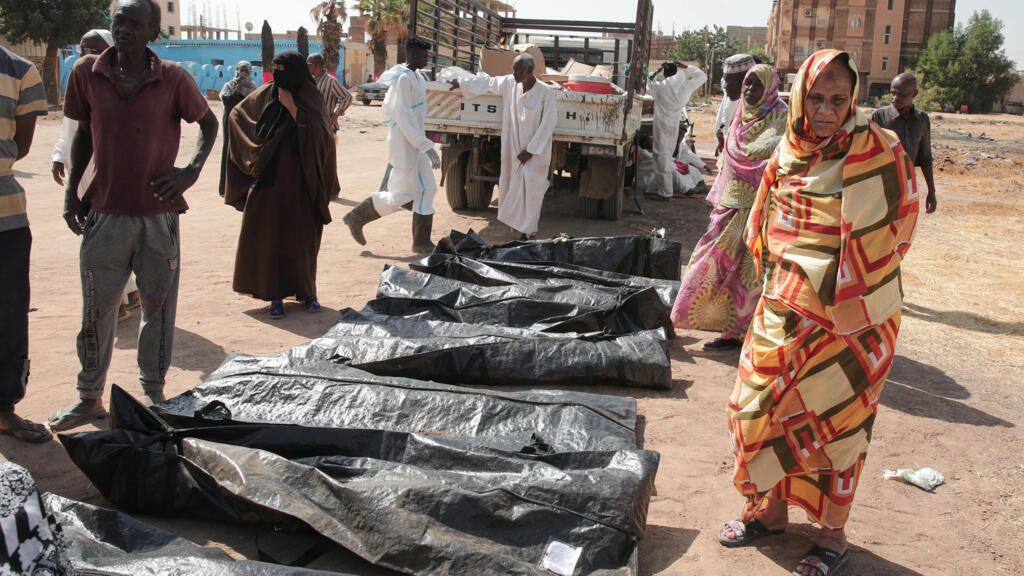
While the army retook Khartoum and other areas in central Sudan, the RSF captured El Fasher, the capital of North Darfur, on 26 October after a siege that began in May 2024.
There were immediate reports and images of RSF extrajudicial killings and other serious violations against civilians trying to flee, Human Rights Watch said.
Race to save Sudan's plundered heritage as museums fall victim to war
Killings, torture, mass graves
In Khartoum, the army uncovered evidence of serious abuses by the RSF as it regained control of the capital in March, particularly in Omdurman, Human Rights Watch said. The army then carried out retaliatory attacks against local volunteers accused of collaborating with the RSF.
Local medical authorities and activists said RSF shelling killed 54 people and wounded more than 100 at a market in Omdurman in February.
Media reported in March that around 500 people may have been buried in mass graves near an RSF base in northern Khartoum, where detainees reported torture and starvation.
The UN Human Rights Office said there were credible reports that RSF and allied forces looted houses in eastern Khartoum and carried out summary killings and arbitrary detentions. It also said SAF-allied fighters were reported to have carried out similar abuses.
Local volunteers said in January that the army carried out indiscriminate airstrikes in southern Khartoum, including on a market, killing and injuring dozens of civilians, Human Rights Watch reported.
The group also said the army bombed a mosque in West Kordofan on June 21, killing 41 and wounding dozens.
Drone attacks shock city in central Sudan as war inches closer
Darfur under siege
The fall of El Fasher followed relentless RSF attacks that triggered famine in displacement camps in and around the city, Human Rights Watch said. It said the RSF carried out mass killings of people fleeing as well as sexual violence.
The UN fact-finding mission reported that the RSF damaged water facilities and supply lines in February and that mid-April attacks on Zamzam killed between 300 and 1,500 people and injured more than 157, the majority women and children.
Human Rights Watch said the army shelled and bombed residential areas, including a market north of El Fasher on March 24. It also said the army killed scores of civilians in early February in attacks on residential and commercial neighbourhoods in Nyala, South Darfur.
Both warring parties continue to wilfully obstruct aid despite desperate needs, the report said, and have detained and harassed humanitarian workers and local volunteers.
The UN fact-finding mission concluded that the RSF and allied forces used starvation as a method of warfare, a war crime.
Sudan's El-Fasher 'an epicentre of human suffering', UN says
Aid blocked, women and girls targeted
In June, a World Food Programme convoy was attacked in North Darfur, killing five staff members. A drone strike also hit another UN convoy in the same region in August.
An armed attack in August forced Doctors without Borders to suspend operations at Zalingei hospital in central Darfur in the midst of a cholera outbreak.
At least 330 cases of conflict-related sexual violence have been documented, primarily against women and girls, UN experts said in May. The UN Population Fund said cuts to aid funding have forced it to withdraw from more than half of the 93 health facilities it was supporting.
The UN’s top humanitarian official, Tom Fletcher, urged donors and diplomatic partners to act at a donor conference in Washington on Tuesday.
“The horrific humanitarian crisis in Sudan has endured more than 1,000 days – too long,” he said. “Too many days of famine, of brutal atrocities, of lives uprooted and destroyed.”
Fletcher warned that funding alone would not be enough. “The money is not enough,” he said.
“We need the air assets, the security, the medical support for our teams, and the mediation work that has to underpin the access.”
He said the UN was pushing for visible progress toward a humanitarian truce ahead of Ramadan.
In October, ICC judges convicted former Janjaweed militia leader Ali Muhammad Ali Abd-Al-Rahman of war crimes and crimes against humanity in Darfur in 2003-04 and 2013, the first trial arising out of the court’s Darfur investigation, Human Rights Watch said.
The group said the ICC’s mandate remains limited to Darfur, leaving no independent judicial mechanism to prosecute grave crimes committed elsewhere in Sudan.